Long before streetlights, flashlights, and glowing smartphone screens existed, people had to rely on messy oil lanterns, smoky fireplaces, or dangerous wax candles just to read a book after the sun went down. The invention of a simple, glowing glass sphere completely transformed human history, allowing us to work, play, and safely explore the dark without relying on open flames. Today, we are going completely behind the scenes of the electric bulb to discover how it produces light, who actually invented it, and why it remains one of the most important scientific creations of the modern world.
Let’s Define the Basics
If your science teacher asks you to formally define bulb, you can give them a very clear, straightforward answer. The official definition of electric bulb is a simple glass device that converts electrical energy directly into visible light. It acts as a safe, enclosed artificial light source. Whether it is lighting up a dark, scary hallway at night or acting as a heat source in a chicken incubator on a farm, the electric bulb is essentially an energy converter that turns invisible power into bright illumination.
Read More – Electronic Circuit Explained
Peeking Inside: Parts and Structure
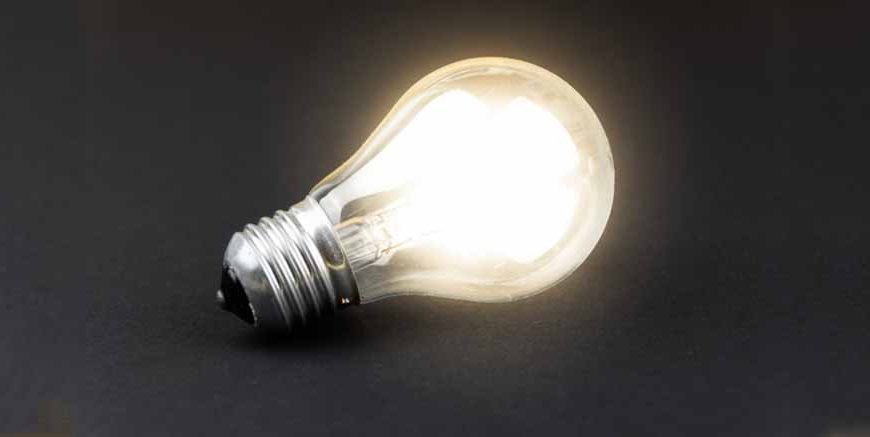
To truly understand how this amazing device functions, we have to look closely at the physical structure of bulb. It is not just an empty glass shell filled with magic. The main parts of electric bulb work together like a highly coordinated, miniature team.
First, there is the outer glass bulb casing, which is sealed completely tight to keep regular air out. Inside that glass sits the most crucial piece: the filament. This is a super-thin, curly wire usually made of a special, tough metal called tungsten. The filament is held up by two thick support wires that keep it steady. At the very bottom is the metal base, which screws into your lamp and allows the electrical current to safely flow from the wall directly into the glass chamber. Finally, the empty space inside the glass is filled with a special, invisible gas (like argon) that prevents the metal wire from burning up into ash.
The Big Question: How Does It Actually Light Up?
So, exactly how does an electric bulb work when you flip the switch on your bedroom wall? The secret relies entirely on intense heat and friction.
When electricity flows through the metal base and travels up the thick support wires, it tries to squeeze through that super-thin tungsten filament. Because the filament is so incredibly thin, it resists the electrical flow. This resistance creates a massive amount of friction, causing the tiny metal wire to get blistering hot. In fact, it gets so incredibly hot that it actually starts to glow a bright, blinding yellow-white color! Because the glass casing is filled with that special, non-reactive gas instead of normal oxygen, the super-hot wire glows brightly for months without ever catching on fire.
Read More – Unlocking the Magic of Light
The History Maker: Who Invented It?
A lot of curious kids wonder, who made electric bulb? The most famous answer you will find in history books is Thomas Alva Edison, who patented a highly successful, long-lasting version in the year 1879.
However, history is a bit more complicated than that! Several brilliant scientists and inventors (like Joseph Swan) experimented with glowing wires for decades before Edison even started his project. What Edison actually did was find the absolute perfect material for the glowing filament and create a strong, sealed vacuum inside the glass. His specific design made the light affordable, safe, and practical enough for everyday families to use in their own homes for the very first time.
Drawing the Circuit Map
When you study physics and build circuits in school, you don’t always have the time to draw a realistic, detailed picture of a glowing glass lamp. Instead, scientists use simple line drawings called circuit diagrams. The standard symbol of electric bulb in a circuit diagram is a circle with a large “X” drawn inside it. Sometimes, you might also see a circle with a curly little loop inside it, which perfectly represents the coiled tungsten filament. Knowing this quick symbol helps students easily read and build safe electrical circuits in the science lab.
Everyday Magic and Importance
The everyday uses of bulb technology go far beyond just lighting up a dark living room. Small, specialized versions of them are used inside car headlights to keep drivers safe on dark nighttime roads. They are used in handheld flashlights for emergency situations, placed inside kitchen ovens to help bakers see their cakes rising, and even installed in massive lighthouses to guide heavy cargo ships safely away from rocky shores. We rely on them constantly to navigate our entire world.
Read More – Facts About the Noble Gases
Summary
To summarize our bright journey, this simple glass device changed everything by safely turning invisible electrical currents into glowing, visible light through a super-hot filament. From Edison’s brilliant, messy laboratory experiments to the standard electrical symbols we draw in our science notebooks today, the history of artificial light is truly fascinating.
But here is a thought-provoking idea to leave you with today: every single time you easily flip a switch to read a book at night, you are controlling a tiny, captured piece of lightning right inside your bedroom. The ability to conquer the dark was once considered completely impossible, but human curiosity and a tiny, glowing wire proved that we have the power to literally light up the world. To read more fun, engaging, and educational articles, check out the EuroKids Blog, and visit our website for details on EuroKids Preschool Admission.
FAQs
Why is the internal filament specifically made of tungsten?
Tungsten is a very special metal that has an incredibly high melting point. It can handle the extreme, blistering heat required to glow brightly without simply melting into a liquid puddle.
What happens if the outside glass breaks?
If the glass breaks, regular oxygen from the room rushes inside. As soon as oxygen touches the super-hot filament, the wire will immediately burn up, pop, and stop working.
Do these traditional glass devices get hot to the touch?
Yes, very hot! Traditional incandescent lights waste a lot of their energy creating heat instead of just light, which is why you should never touch one while it is turned on.
Are modern LED lights the exact same thing?
No, they are totally different! Modern LED lights do not use a glowing metal filament or intense heat at all. They use special microchips to create light, making them much cooler and far more energy-efficient.