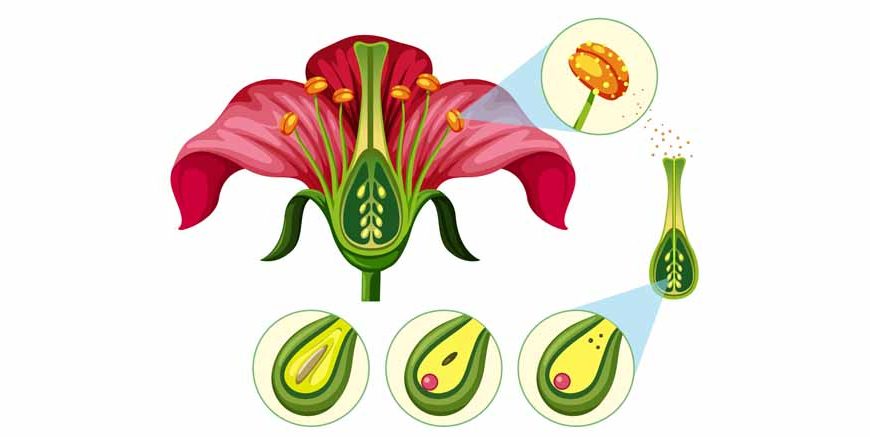
Every spring, gardens explode with bright colors and sweet smells. While we humans usually focus our attention on the soft, brightly colored petals, the real magic is actually happening deep inside the center of the bloom. A flower isn’t just a pretty decoration for our yards; it is a bustling, microscopic factory perfectly designed by nature to create new life. At the absolute center of this busy factory stands the most important piece of biological machinery. Today, we are going to explore the pistil, the female heart of the blossom, to understand exactly how it creates the seeds that keep our green world growing year after year.
Getting to the Core: What is Pistil?
Let’s break down the basic botanical definitions first. If you are pointing at the very center of a daisy or a tulip and asking your science teacher, “what is pistil?”, you are looking directly at the female reproductive organ of the plant. To formally define pistil, it is the central, bottle-shaped structure resting in the middle of the petals, responsible for receiving pollen and eventually producing seeds.
When learning what is pistil in flower anatomy, it is helpful to know its alternate names, because science has a habit of giving one thing multiple titles! Therefore, the pistil is also known as the carpel. Sometimes, a flower might have just one single carpel, but in other plants, multiple carpels fuse together to form a single, giant central structure. Whether you use the common name or the fancy scientific term, it is the mother of the garden.
Read More – Learn About Flowering Plants
Breaking Down the Structure of Pistil
If you look very closely at the center of a large lily, you will notice that this central piece doesn’t just look like a plain, simple stick. The complete structure of pistil is actually divided into three highly specialized, distinct zones. These different parts of pistil work together flawlessly, acting exactly like a relay race team to bring new plant life into the world.
- The Stigma: This is the very top part of the structure. It acts like a biological landing pad for the entire plant. It is usually quite sticky to the touch or covered in tiny, microscopic hairs. Why? Because it desperately needs to catch dusty pollen floating by in the wind or brushing off the fuzzy legs of a visiting honeybee.
- The Style: Right below that sticky top landing pad is a long, slender, supportive tube. Think of it as a secure, private hallway. Once the pollen safely lands on the stigma, it has to travel straight down this long tube to reach its final destination at the bottom.
- The Ovary: At the very base of the hallway sits a swollen, round chamber. This is the safe room where tiny, unfertilized eggs (which scientists call ovules) are kept perfectly secure from the outside weather.
Identifying a Pistil Flower
Did you know that not all blooms are built exactly the same way? A true pistil flower is simply one that contains this specific female structure.
Many common blossoms in your neighborhood garden, like big red roses, are considered “perfect” flowers. This means they contain both the male parts (the stamens that make the pollen) and the female central tube all wrapped up in the exact same set of petals.
However, nature absolutely loves variety. Some plants grow unique blossoms that only contain the female parts, while other blossoms resting on the exact same leafy branch only have the male parts. Regardless of how the plant organizes its blooms, that sticky, bottle-shaped center is always required if the plant wants to make seeds.
The Ultimate Function of Pistil in Plants
Now that we know exactly how it is built, what does it actually do? The primary function of pistil in plants is reproduction. It is responsible for the incredible journey from a tiny speck of dust to a massive, crunchy fruit.
When a busy bee drops a speck of pollen onto the sticky stigma, a tiny, invisible tube rapidly grows all the way down the style until it hits the ovary at the bottom. The pollen mixes with the ovules hidden safely inside. This magical, microscopic meeting creates a brand-new seed!
As that seed begins to grow, the plant’s job changes. The colorful petals of the blossom dry up, shrivel, and fall off because they aren’t needed anymore. The ovary itself starts to swell up to protect those growing seeds. Have you ever eaten a juicy green apple, a red tomato, or a massive, watery slice of watermelon? You are actually eating the swollen, ripened ovary of the plant! The sweet, delicious fruit is just a biological protective case for the seeds waiting inside.
Read More – Parts of a Flower and Their Role in Nature for Kids
Summary
Let’s pull all these botanical facts together. The central hub of a flower is an incredible piece of natural engineering. It acts as the sticky landing pad to catch passing pollen, the secure hallway for travel, and the safe chamber for growing brand-new seeds all rolled into one single structure.
The next time you walk past a blooming springtime garden or bite into a sweet, juicy summer peach, take a moment to appreciate the complex engineering hiding right in the middle of those soft petals. Without that tiny, bottle-shaped structure sitting quietly in the center, we wouldn’t have any colorful flowers to admire next spring. Even more importantly, we definitely wouldn’t have any delicious fruits or vegetables to eat. It proves that sometimes the quietest, most hidden parts of nature are actually doing the most important work of all.
To read more fun, engaging, and educational articles, check out the EuroKids Blog, and visit our website for details on EuroKids Preschool Admission.
FAQs
Can you see this part of the flower without a microscope?
Yes, usually! In large blooms like lilies, tulips, and hibiscus, the central female structure is very thick, prominent, and easy to spot right in the middle of the petals with your bare eyes.
Why is the top of it so sticky?
The top is sticky so that when a pollinator like a bee, butterfly, or bird brushes against it, the powdery pollen transfers easily from the bug’s body and gets permanently glued to the plant.
Do all plants have this structure?
No, only flowering plants (angiosperms) have it. Other types of plants, like pine trees, ferns, and thick green moss, use completely different methods like pinecones or tiny spores to reproduce.
What happens if pollen never lands on it?
If it never receives any pollen, the tiny ovules inside the bottom chamber will never turn into seeds. The flower will eventually wilt and drop off the stem without ever producing any fruit.