Have you ever tried to finish a jigsaw puzzle only to find out that one single piece has vanished? It feels a little frustrating, but finding that final piece under the couch and snapping it into place is incredibly satisfying. Learning how to read and spell works in the exact same way for young children.
When kids first look at words on a page, they are basically staring at a giant puzzle. Sometimes, a piece is gone, and they have to use their growing brains to fill in the blank space. Teaching kids how to find these blank spaces turns spelling from a boring, repetitive chore into an exciting detective game. Let’s break down how to teach this skill, why it matters, and how to make it ridiculously fun for your little ones.
The Magic of Finding Missing Letters
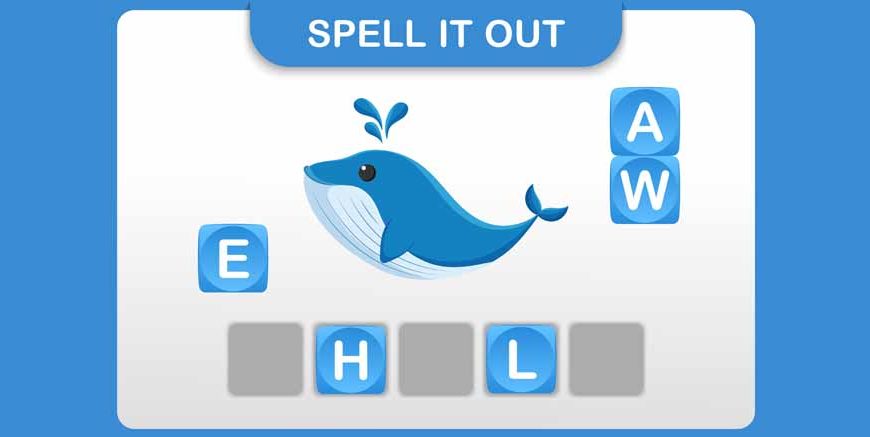
So, what exactly are we talking about here? The concept of missing letters is incredibly simple but powerful. It is an activity where a word or an alphabet sequence has a blank line instead of a character.
For example, if you show a child the sequence C _ T, they have to figure out what goes in the middle to make the word for a furry pet that meows. It’s an ‘A’! This simple matching game helps children stop blindly guessing words. Instead, it forces them to actually look at the individual sounds that make up our language. It makes them pay attention to the tiny details. They become spelling detectives looking for clues.
Read More – What are Letters and Sounds?
Mastering the Sequence: Missing Letters A to Z
Long before kids can spell big words like “elephant” or “butterfly,” they have to know the main lineup of characters. Practicing missing letters a to z is the absolute first step on this journey.
Think of the alphabet like a really long cargo train with 26 colorful cars. If car ‘C’ and car ‘E’ go missing off the tracks, the train cannot move forward. You can easily play this game at home. Write out “A, B, _, D, _, F” on a large piece of paper. The child will look at the empty spots and usually start singing the famous alphabet song out loud to figure out who is hiding in the blanks.
This specific exercise builds a rock-solid memory of the alphabet order. If they do not know the correct order from A to Z, using a dictionary or organizing files later in life becomes really difficult. Getting the sequence locked down is the foundation of everything else.
Why Finding a Missing Letter in English Matters
We all know that English can be a very tricky, confusing language. Some characters make funny sounds, and others stay completely silent for no reason at all.
By practicing how to find a missing letter in English, kids actively train their ears. Let’s say they see the puzzle “B _ K” and you show them a picture of a storybook. They have to sound it out slowly. Buh-ooo-k. They realize they need a vowel in the middle to make that sound. Spotting missing letters in English helps kids connect the invisible sounds they hear in their ears to the physical shapes they see printed on the page. It completely bridges the gap between talking out loud and reading quietly. It teaches them phonics without them even realizing they are learning a complex subject.
Grab a Pencil: Write the Missing Letters
How do we take this from a speaking game to a physical activity? We ask them to actually write the missing letters down on paper.
When a child holds a thick crayon or a pencil and physically draws the shape of an ‘A’ or a ‘P’ into the blank space, it locks the information deeply into their brain. Muscle memory takes over. You can make this highly engaging. Draw a messy, silly picture of a dog on a whiteboard. Underneath it, write “D O _”. Hand your child a bright red marker and tell them to finish the word. The physical act of writing makes them feel incredibly proud, exactly like they just solved a massive mystery all by themselves.
Everyday Games to Play at Home
You do not need to rely strictly on boring, black-and-white worksheets to teach this concept. You can make it a part of your normal, everyday routine.
- The Fridge Magnet Game: Take away a single vowel from their name spelled out in magnets on the refrigerator. When they walk into the kitchen for breakfast, ask them if something looks funny. See how long it takes them to spot the empty space!
- Sandbox Spelling: Go to the park and write simple three-letter words in the sand using a stick. Use your shoe to smooth over the middle character, erasing it completely. Hand the stick to your child and ask them to fix the word.
- Sticky Note Scavenger Hunt: Put sticky notes on items around the house, but leave a blank space. Put “D O O _” on the bedroom door. Let them walk around with a pencil and fill in the blanks on all the household items.
Read More – Fun Ways to Teach the Alphabet to Kids
Summary
Learning to read and spell does not just happen overnight by magic. It happens one small character, one tiny blank space, and one sounded-out word at a time.
When we sit down and ask children to fill in these blanks, we are not just teaching them how to spell “apple” or “ball.” We are actually teaching them how to solve problems. We are showing them that even when a piece of the puzzle is lost or confusing, they have the knowledge and the brainpower to figure it out and make the picture whole again. That kind of independent confidence will stick with them far beyond their early spelling tests; it will help them tackle big challenges for the rest of their lives.
To read more fun and educational articles, check out the EuroKids Blog, and visit our website for details on EuroKids Preschool Admission.
FAQs
At what age should my child start playing these letter games?
Most kids are ready for this around 4 to 5 years old. The best time to start is right after they have memorized the alphabet song and can recognize basic uppercase and lowercase shapes.
Should I focus on the first, middle, or last character of a word?
Always start with the first character (like _ A T). The beginning sound of a word is the easiest for young kids to hear and identify. Once they master that, move on to the ending sound, and save the tricky middle vowels for last!
What if my child guesses the wrong character?
Don’t worry! Just sound it out together. If they put an ‘S’ in “C _ T” to make “C S T”, ask them to read it out loud. They will usually giggle when they realize it doesn’t make any sense, and they will try again.