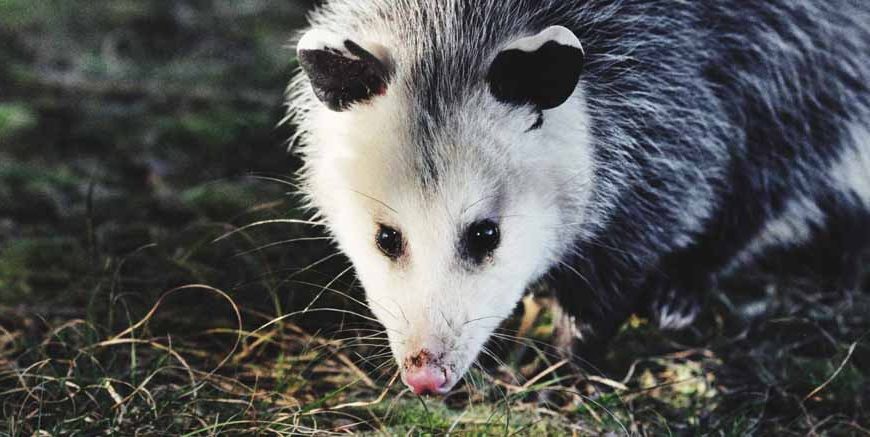
The sun goes down, the backyard gets quiet, and suddenly, you hear a faint rustling sound coming from the thick branches of the big oak tree outside your bedroom window. If you grab a flashlight and shine the beam up into the dark leaves, you might just catch a pair of bright, shiny eyes staring right back down at you. No, it isn’t a neighborhood cat stuck in the tree, and it certainly isn’t a scary monster. You have probably just spotted a furry little nighttime acrobat out looking for a midnight snack!
These quiet, tree-dwelling creatures are completely fascinating, yet they are often misunderstood by people who don’t know much about them. Let’s shine a light into the dark trees and explore the amazing world of this unique creature, learning how they live, what they eat, and the incredible tricks they use to survive in the wild.
Let’s Define Possum: Exactly What Are They?
If a curious friend points up at a tree and asks you, “what is a possum?”, the simplest way to answer is to explain how they take care of their babies.
To scientifically define possum, we have to look at the marsupial family. Marsupials are a very special, unique group of mammals that carry their tiny, newborn babies safely tucked away inside a built-in belly pouch, exactly like a giant kangaroo does! So, a possum is a furry, tree-loving marsupial that spends almost all of its time high up in the wooden branches, living a quiet, secret life while the rest of us are fast asleep in our beds.
When their babies are first born, they are completely hairless, blind, and roughly the size of a tiny jellybean. They crawl directly into their mother’s warm pouch and stay hidden there for a couple of months, drinking milk and growing big and strong before they ever peek out at the real world.
Read More – List of Animals That Live On Land And Water
Understanding the True Possum Meaning
Have you ever heard someone say they are “playing possum”? That is an incredibly famous phrase used all over the world! But where does the actual possum meaning come from?
The original word was actually created hundreds of years ago by Native American tribes to describe a small, white-faced beast with a long tail. When people talk about the possum meaning today, they are usually talking about a creature that is incredibly adaptable and highly resilient. Whether they are sneaking around a thick, wild forest looking for berries or tiptoeing carefully across the roof of a house in a busy, noisy city, these animals are master survivors. They figure out how to live peacefully almost anywhere they go.
A Closer Look at the Possum Animal
Let’s look closely at the physical features of the actual possum animal. They have a few built-in bodily tools that make them the absolute kings and queens of climbing.
First, they have what scientists call a prehensile tail. That is just a fancy vocabulary word meaning their long, bare tail acts exactly like a fifth hand. They can wrap it tightly around a thick tree branch to keep themselves from falling off while they reach for food.
Furthermore, they have incredibly sharp, curved claws meant for gripping rough tree bark, and large, dark eyes that work exactly like built-in night vision goggles. Because the possum animal is completely nocturnal, it sleeps totally hidden away in hollow tree trunks during the bright daytime and only comes out to hunt for tasty snacks under the glow of the moon. Once the babies outgrow the pouch, you can often see the mother climbing around with a whole bunch of furry little babies clinging tightly to the fur on her back!
Read More – GK Questions On Animals
Bug Hunters and the Famous “Playing Dead” Trick
What do these furry little acrobats actually eat? They are not picky eaters at all! In the wild, they love to munch on sweet wild berries, crunchy green leaves, and soft flower petals. But they are also fantastic bug hunters. They will happily gobble up annoying beetles, fat caterpillars, and even slippery garden snails. Having them around your garden is actually a wonderful thing. They act like natural pest control, protecting your beautiful flowers from being chewed up by bad insects.
We also cannot talk about these animals without mentioning their ultimate magic trick. If a hungry predator, like a wild dog or a fox, tries to attack them, they have a very dramatic way of staying safe. They will suddenly drop to the ground, roll over, stick their tongue out, and completely freeze.
It isn’t just pretending to be asleep; its body actually forces it into a deep, frozen state so the predator thinks it is already dead. Once the confused predator gets bored and walks away, the little actor wakes back up, shakes the dirt off its fur, and safely climbs back up into the trees.
Summary
Let’s tie all these fun facts together. These creatures are pouch-carrying marsupials, fantastic tree climbers, and expert bug hunters. They sleep all day and happily work the night shift to keep insect populations perfectly balanced in our local environment.
When you really think about it, a simple creature like this shows us how clever nature truly is. Instead of fighting back with sharp, scary teeth or loud roars when they get scared, they survive by simply playing a clever trick and staying perfectly still. It goes to show that you don’t always have to be the biggest, strongest, or loudest animal in the woods to be a true survivor. Sometimes, being adaptable, peaceful, and a little bit sneaky is the greatest superpower of all.
To read more fun, engaging, and educational articles, check out the EuroKids Blog, and visit our website for details on EuroKids Preschool Admission.
FAQs
Where do these animals usually live?
They absolutely love living in wooded areas and forests where there are plenty of tall trees to climb, but they are also very common in suburban neighborhoods and city parks!
Are they dangerous to human beings?
Not at all! They are naturally very shy, peaceful, and gentle creatures. If they see a human walking by, they will almost always choose to run away and hide rather than cause any trouble.
Do they hang upside down by their tails when they sleep?
That is actually a very popular myth! While they use their strong tails to grip branches and balance while climbing, adult bodies are way too heavy to sleep hanging completely upside down.
What should I do if I see one in my yard?
The absolute best thing you can do is just leave it alone and watch it from a distance. Let it enjoy its midnight bug hunt, and it will eventually wander back to its home on its own!