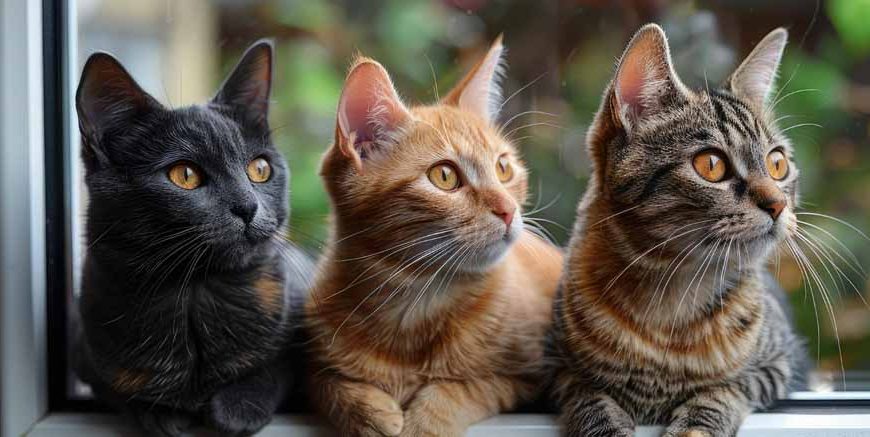
Anyone who has ever tried to wrap a birthday present with a kitten in the room knows the absolute, hilarious chaos that ensues. They dive straight into the crinkly wrapping paper, brutally attack the shiny ribbons, and eventually just fall fast asleep inside the empty cardboard box. Kids are completely and utterly obsessed with them.
But if your child points at the fluffy tabby sleeping on the kitchen windowsill and asks exactly what a cat is in a proper scientific sense, how do you explain it without sounding like a boring encyclopaedia? Basically, they are small, highly evolved predatory mammals. Despite looking incredibly cute and cuddly, they are essentially miniature, highly efficient tigers living right in our houses. Let us dig into the brilliant science behind these cheeky little hunters and find out how they conquered the modern world.
Built for the Stealthy Hunt
You only have to watch one of these creatures stalk a toy mouse across the living room carpet to see that the physical features of cat anatomy are engineered for pure stealth. They are completely silent assassins.
Unlike energetic dogs, who clatter loudly around the kitchen on hard claws, our feline friends have retractable claws. They keep these sharp hooks safely tucked away inside soft, padded paws so they can sneak up on their prey without making a single sound on the floorboards. When they suddenly need to climb a tall wooden garden fence or snatch a dangling toy out of the air, those hooks pop out instantly.
Their ears and eyes are another brilliant bit of biology. Their ears can rotate independently like tiny satellite dishes, locking onto the faint rustle of a mouse in the grass. Furthermore, they have a special reflective layer sitting right at the very back of their eyeballs. This acts like a biological mirror, bouncing tiny amounts of moonlight back through their eyes so they can see perfectly in the pitch dark. Have you ever noticed how their eyes seem to glow eerily when a car headlight catches them walking down the street at night? That is the biological mirror doing its job!
Read More – Domestic Animal Names in English for Kids
From Dry Deserts to Living Rooms
When children ask about a wild animal’s home, we usually have a very straightforward answer ready to go. Brown bears live in deep forests, and camels live in sandy deserts. But properly defining a modern cat habitat is wonderfully complicated and full of history.
Thousands of years ago, the fierce, wild ancestors of our modern domestic pets lived entirely in harsh, dry, desert environments across the Middle East. This ancient desert history completely explains a lot of their weird daily behaviour. It is exactly why your pet hates getting caught outside in the pouring rain, and why they absolutely love seeking out the warmest, sunniest spot on the living room rug to take a long afternoon nap. They are biologically hardwired to crave intense heat.
Today, where cats live is called a domestic environment. They have heavily and cleverly adapted to live right alongside humans. Whether it is a busy, high-rise city apartment, a huge, drafty barn on a working farm, or a quiet suburban house with a garden, their habitat is basically wherever we happen to be. As long as there is a reliable food source, a warm place to sleep, and someone to open a tin of food, they will happily claim the territory as their own kingdom.
Brilliant Scientific Facts
If your child is putting together an EVS school project and desperately needs to gather solid information about cats in English, you need some actual hard science to back up all the fluff. Here is a list of fascinating facts that explain exactly how these little predators operate:
- The Whisker Ruler: Those long, stiff hairs poking out of their face aren’t just for show. Whiskers are highly sensitive measuring tapes. Because they are exactly as wide as the animal’s entire body, they use them to figure out if they can safely squeeze through a tight gap in a fence without getting completely stuck halfway.
- The Purring Mystery: We all know they purr loudly when they are happy and sitting on a warm lap. But science shows they also purr when they are stressed, frightened, or injured. The specific, low frequency of their purr actually helps their bones and tissues heal much faster. It is a built-in biological repair system!
- A Total Taste Blindness: If you accidentally drop a bit of a sweet biscuit on the floor, your dog will probably eat it instantly. Your feline friend won’t even bother to sniff it. Due to a tiny genetic mutation thousands of years ago, they completely lack the taste buds required to taste anything sweet. They only crave protein and meat.
- The Falling Reflex: They possess a brilliant ‘righting reflex’. If they slip and fall off a high brick wall, their incredibly flexible spine allows them to instantly twist their front half around, quickly followed by their back half, ensuring they almost always land perfectly safely on all four paws.
Read More – Magical Benefits of Pets for Child Development
Learning Through Observation
Learning all about cats shouldn’t just be a quiet reading exercise in a classroom. Kids learn best when they can actually observe the science happening right in front of them. The Heureka curriculum relies heavily on this exact kind of active, physical discovery. Instead of just reading a textbook about animal balance, encourage your child to carefully watch how your pet uses its long tail to balance perfectly while walking tightly along a narrow garden wall. When children start connecting the dry scientific facts they learn in school to the living, breathing creatures walking around their own home, their education suddenly becomes incredibly exciting and tangible.
Conclusion
At the end of the day, having a pet is like having a tiny, breathing biology lesson running around your kitchen. They are fiercely independent desert hunters that somehow figured out exactly how to convince humans to buy them expensive food and give them a warm, safe bed. It is genuinely thought-provoking when you realise that beneath all that soft fur and sleepy, gentle purring, the exact same wild instincts that drive a massive jungle lion are currently sitting right on your sofa.
Are we really the ones keeping them as pets, or did they just cleverly tame us to do their bidding? Encouraging your kids to ask these wild, curious questions builds a brilliant foundation for lifelong learning. To discover more fantastic ways to fuel your child’s daily discoveries, read the latest articles on the EuroKids Blog and start their next great educational adventure through EuroKids Preschool Admission today.
FAQs
Why do they sleep for so many hours a day?
Hunting takes up a massive amount of physical energy. Even though our pets just hunt stuffed toy mice now, their bodies are still hardwired to sleep up to sixteen hours a day to conserve their strength for the chase.
Do they actually hate getting wet in the water?
The vast majority of them absolutely do! Because their ancestors came from dry deserts, their fur isn’t built to repel water very well. When they get soaked, their coat gets incredibly heavy and cold.
Why do they constantly rub their faces on the furniture?
They have tiny, invisible scent glands located right on their cheeks and chin. When they rub against the sofa legs or your shins, they are leaving behind their unique scent to claim you as their personal territory.