Have you ever sat on a park bench and watched children play? It is quite a spectacle. One minute, they are zooming across the grass like little rockets, and the next, they are sitting quietly, complaining that their legs are tired. Then, you hand them a simple snack, and suddenly, they are off again, climbing the highest slide. It is fascinating to witness this instant transformation. Just like a remote-controlled car needs a fresh set of batteries to race across the living room carpet, our children need fuel to run, jump, think, and grow. That fuel comes directly from what they eat every single day. Let us break down the everyday magic of how a simple bowl of morning porridge turns into the incredible bursts of speed we see on the playground.
Why Do We Need Energy?
Before we look at what to put on our dinner plates, we should understand the basics. If you ask, why do we need energy, the answer is actually quite similar to why a mobile phone needs to be plugged into a charger. Without a charged battery, the phone screen goes blank, and it stops working. Our human bodies are constantly working, even when we are lying perfectly still or fast asleep in bed.
We require a constant supply of fuel to keep our hearts beating, our lungs breathing, and our brains dreaming. For growing children, the demand is significantly higher than it is for adults. They use massive amounts of power to build strong bones, stretch out their muscles, and concentrate during their reading and maths lessons at school. Simply put, this fuel is the invisible force that keeps every single cell inside us alive, functioning, and moving.
What are Energy-Giving Foods?
You might hear teachers, doctors, or other parents talk about a balanced diet and wonder, What is energy-giving food exactly? To put it simply, these are specific types of food packed with nutrients that our digestive system can quickly and efficiently break down into usable fuel.
When children eat these nutrient-dense meals, their stomachs act like a tiny, busy factory. The factory dismantles the food into microscopic sugar molecules called glucose. This glucose then travels through the bloodstream, knocking on the door of every single cell, delivering the power needed to kick a football or solve a puzzle. The main heroes in this biological process are carbohydrates and healthy fats, which are the body’s absolute favourite sources of fuel.
Choosing the Best Energy Foods
It is important to realise that not all snacks are created equal. Some give a very quick rush, while others offer a slow, reliable stream of power. The best energy foods are those that provide long-lasting fuel rather than a sudden, chaotic spike followed by a tired crash.
Complex carbohydrates, such as wholemeal bread, brown rice, and oats, are fantastic because the body takes longer to digest them. This means your child gets a steady drip of vitality throughout the entire school day. They won’t feel suddenly exhausted by lunchtime. Instead, they will have the steady stamina needed to focus on their afternoon activities.
Common Energy-Giving Food Items
Let us look at what you should actually put in your shopping trolley. Some of the most common and effective energy-giving foods are probably sitting in your kitchen cupboards right now.
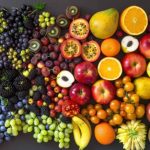
Oats are absolutely brilliant for breakfast, providing a warm, slow-burning start to the morning. Bananas are essentially nature’s pre-packaged snack bars, loaded with natural sugars and potassium to help prevent muscle fatigue. Sweet potatoes are another excellent choice, alongside whole-wheat pasta and dairy products like milk and cheese. These ingredients are fabulous choices to keep those little engines running smoothly and happily.
Practical Examples of Energy-Giving Food
It always helps to see how this translates into daily life. If you are staring at an empty lunchbox and looking for practical examples of energy-giving food, think about adding variety and colour.
A small handful of almonds or walnuts provides healthy fats that a growing brain absolutely loves. A slice of wholemeal toast spread with peanut butter makes for a perfect, filling afternoon pick-me-up when they get home from school. Even a simple bowl of plain yoghurt topped with fresh strawberries or blueberries acts as a brilliant source of power. These wholesome choices are far better than handing over a packet of sugary biscuits.
Finding the Right Food That Gives Us Energy
It is incredibly easy to reach for a chocolate bar or a bag of sweets when a child is feeling sluggish or grumpy. But choosing the right foods that give us energy makes a world of difference to a child’s mood and ability to focus.
Processed sweets and sugary drinks act like throwing dry paper onto a campfire. The fire blazes brightly for a few seconds, then vanishes completely, leaving nothing behind. Wholesome, energy-giving food, however, is like placing a thick, solid oak log onto that exact same fire. It burns warmly, quietly, and steadily for hours on end. Encouraging children to choose the oak logs over the paper is a vital habit that will protect their health and happiness for years to come.
Conclusion
To sum things up, the relationship between what a child eats and how they experience the world is deeply connected. Understanding how our bodies transform an ordinary piece of fruit into the sheer joy of running across a sunny park is genuinely quite magical. It makes us pause and think: are we really paying enough attention to the kind of fuel we put into our children’s engines, or are we just filling them up with whatever is easiest in the moment? Teaching kids to appreciate the true power sitting on their plates is a lesson that lasts a lifetime, shaping how they learn, play, and grow into healthy adults.
For more insightful articles on child development and healthy habits, do explore the EuroKids Blog, and discover a holistic approach to early education through EuroKids Admission.
FAQs
1. What exactly is an energy-giving food?
It is a type of food, usually rich in complex carbohydrates or healthy fats, that the human body can easily convert into glucose to fuel our daily physical and mental activities.
2. Why is a banana considered a good snack for kids?
Bananas are packed with natural, easy-to-digest sugars and essential vitamins. They provide a quick but sustained boost of vitality, making them a perfect pre-playtime snack.
3. Are sugary sweets good for giving children energy?
No, sugary sweets cause a rapid spike in blood sugar, followed by a sudden, steep crash. This usually leaves children feeling much more tired and irritable than they were before eating them.
4. Do children need more fuel than adults do?
Relative to their body size, yes. Children are constantly growing, developing their brains, and are usually much more physically active, meaning they require a steady, reliable intake of nutritious meals.