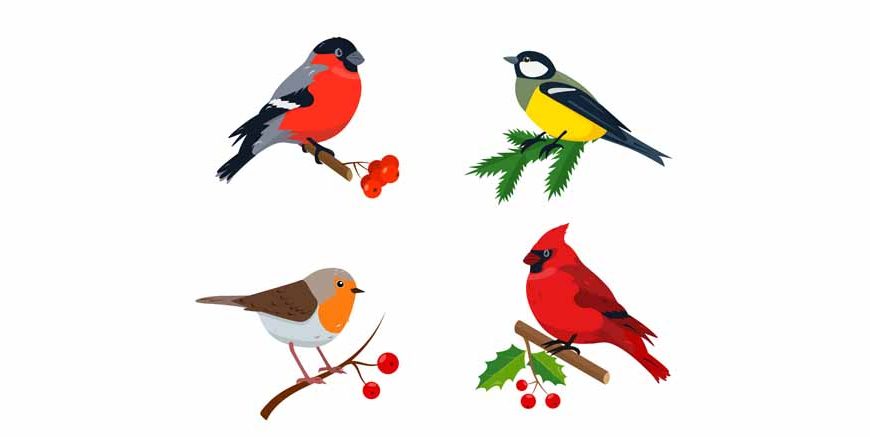
Imagine you are walking through the garden on a cold, grey January morning. Everything looks muted, the sky is a flat, cloudy white, the branches are bare and brown, and the ground is dusted with a light layer of frost. It feels like the world has lost its colour palette. Then, suddenly, you spot it. A brilliant, fiery splash of scarlet perched right on a snow-covered branch. It looks like a piece of the sunset decided to land in your garden for a few minutes. You have just spotted the cardinal bird, perhaps one of the most beloved and recognisable visitors to any backyard. For students exploring nature, there is no better subject to start with than this striking, song-filled visitor.
The Mystery of the Name: What Is a Cardinals?
When children first start exploring bird books, they often stumble over the naming. It is quite common for a student to type into a search bar, “what is a cardinals”, even with the slightly awkward grammar, trying to understand why this bird has such a royal title. The name actually has a deep historical connection. Back in the day, when early settlers in the Americas saw the vibrant, deep red feathers of the male bird, they were instantly reminded of the long, bright red robes worn by Catholic Cardinals. The name stuck, and it has been used ever since.
If you are currently researching for a school project and find yourself accidentally typing carindal when your fingers are moving a bit too fast, don’t worry. It is a very common spelling mistake. Just remember that it is spelt with a ‘c’, Cardinal, and it refers to one of the most consistent and popular songbirds in the garden. They are not just famous for their bright colours; they are famous for being neighbours that stay with us through every season, even the bitter cold of winter.
Read More – Different Types of Birds
Examining Cardinal Features
One of the most exciting things about learning bird identification is figuring out how to tell who is who. When looking at cardinal features, the first thing to note is that these birds are very easy to distinguish from their garden companions. They don’t have the subtle, camouflaged feathers of a sparrow or the blue-and-white stripes of a jay.
The male is the show-off of the family. He is a bright, deep red, almost like a piece of holly berry or a painted toy. He has a distinct black mask that covers his eyes and the base of his beak, which makes him look a bit like a tiny, feathered superhero. Then, there is the crest, a tall, pointy tuft of feathers on the top of his head that he can raise or lower depending on his mood.
The female is different. She isn’t a bright red, and this is a smart survival strategy. She is mostly a soft, warm tan or light brown colour, with just a hint of reddish tint on her wings, tail, and crest.
Her mask is much lighter and less intense than the male’s. This ‘dull’ colouring helps her hide perfectly in the bushes when she is sitting on her nest, keeping her safe from hungry hawks or prowling cats. Both males and females share the same bright, chunky orange-red beak, which is designed perfectly for cracking open tough seeds.
H2- Why Are They So Popular in Schools?
There is something special about this species that makes it a favourite in environmental science lessons. They are incredibly persistent. While many birds migrate thousands of miles to warmer spots when the autumn leaves fall, these birds choose to stay put. They don’t mind the ice or the snow. This makes them a perfect subject for students to observe over a long period. You can watch them in September, December, and March, and they will likely still be flitting about the same hedgerows.
They are also very vocal. A cardinal doesn’t just chirp; it sings a complex, beautiful, and ringing song. It often sounds like a clear, rhythmic whistle, cheer-cheer-cheer, purr-purr-purr. In the quiet of a late winter morning, that sound is often the first sign that spring is just around the corner.
Read More – Names Of Flying Animals For Kids
Habits and Behaviour: A Grumpy Little King
While they look like cute, cuddly creatures, they are actually quite feisty. You might see a male bird flying repeatedly into a window or attacking his own reflection in a car mirror. This isn’t because he is silly; it is because he is incredibly territorial. When he sees that reflection, he thinks it is another male trying to steal his garden, his seeds, and his favourite nesting bush. He is just defending his kingdom!
Their diet is also quite interesting to observe. They are not picky eaters. They love sunflower seeds, safflower seeds, and dried corn. If you are lucky enough to have a bird feeder, they are usually the first ones to arrive in the morning and the last to leave in the evening. They have a very specific way of eating, they use that strong, cone-shaped beak to crunch through the hard shell of a seed with surprising power.
How to Attract Them to Your Garden
If you want to see them up close, you don’t need fancy equipment. You just need to offer them a little bit of hospitality.
- Offer the right seeds: They are not interested in the dusty, cheap birdseed mixes that contain mostly wheat. They want the good stuff. Black oil sunflower seeds are their absolute favourite.
- Provide water: Even in winter, they get thirsty. A clean birdbath that isn’t frozen solid is a massive draw for them.
- Create cover: They don’t like to sit out in the open where a predator might see them. They love dense, bushy shrubs like holly, juniper, or thick ivy where they can hide if a hawk flies overhead.
The Art of Observation
Learning to identify birds is much more than just memorising facts. It is about learning to slow down. Our world is moving faster every single year, with screens, digital notifications, and endless noise. When you stand quietly in the garden, waiting for that splash of red to appear on the feeder, you are doing something quite rare: you are practising patience.
It teaches us that nature doesn’t operate on our schedule. You can’t force the bird to appear. You can’t click a button to make it sing. You have to wait, you have to be still, and you have to be observant. This is a vital skill for any student. The ability to focus on the ‘here and now’ is a superpower in a world of distractions. Watching these birds helps us reconnect with the simple rhythms of the seasons. It reminds us that even when things feel a bit grey and difficult, there is still vibrant life, song, and colour waiting just outside the window if we are willing to take the time to look for it.
Read More – Fascinating World of Bird Nests
A Thought on the Seasons
Think about how resilient they are. We complain if the heating in the house drops by a few degrees, but these small creatures survive nights when the temperature is well below freezing. They fluff up their feathers to trap their own body heat, they find sheltered spots in thick pine trees, and they keep going. It is a quiet, natural form of strength. Perhaps the next time you see one sitting stoically in the snow, you might see them a little differently, not just as a bird, but as a small, feathered symbol of perseverance.
Conclusion
The world is full of amazing creatures, but the one with the fiery red coat holds a special place in our hearts. Whether you are studying them for a school report, trying to improve your garden birding skills, or just enjoying that flash of scarlet against the snow, they remain a constant reminder of nature’s beauty. They teach us about territory, about song, and most importantly, about how to thrive in tough conditions. It is a wonderful thing to know the names of the birds that share our streets with us, as it turns a simple walk to school into a mini-expedition of discovery. How many of these red visitors do you think you can spot this week? For more engaging nature guides, helpful science facts for kids, and brilliant parenting tips, keep reading the EuroKids Blog, and discover a world of joyful learning through EuroKids Preschool Admission.
FAQs
Are there different types of this bird?
The one most people are familiar with is the Northern Cardinal, found across North America. While there are a few other species in the cardinal family, the famous red one is the most widespread and recognisable.
Do they change colour in the winter?
No, their feathers stay red all year round. However, in the bright summer sun, they might look a little more vivid than they do in the dim light of a winter day.
Do both the male and the female sing?
Yes! This is actually quite rare in the bird world. While the male is usually the one singing loud songs to defend his territory, the female also sings, especially when she is sitting on the nest, perhaps to communicate with her mate.
How long do they live?
In the wild, they usually live for about three to five years, though some lucky ones in safe gardens with plenty of food have been known to live much longer.