A striped bug buzzes past your veranda grill on a humid morning, and your seven-year-old drops their plastic bat, lets out a yell, and dashes behind the screen door. To an eight-year-old, anything with yellow stripes and wings looks like a flying needle hunting for bare legs. Parents spend years telling their kids to watch out for stings, so a child’s first reaction to a buzzing sound is to pick up a rolled newspaper or swing a rubber slipper. That reaction is completely normal, but it gives children an upside-down idea of how the outdoors actually operates. If those little hairy bugs stopped crawling inside pumpkin creepers and mustard fields, our kitchen vegetable baskets and fruit bowls would sit practically bare. Swapping out that blind terror with clear bee information turns a scary pest into a fascinating neighbour, helping young minds see how tiny insects keep the whole pantry running.
What Is a Bee?
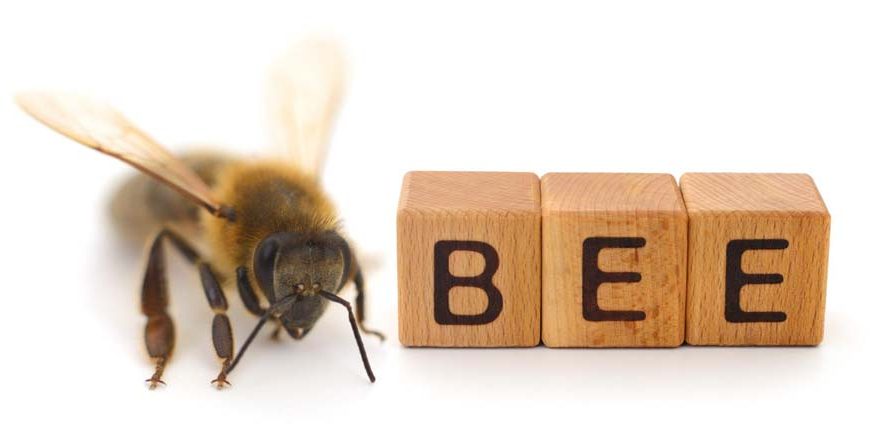
A bee is an airborne insect from the scientific order Hymenoptera. Most people know them for sipping liquid sugar from open blossoms and dusting yellow powder between plants. Over twenty thousand different varieties live on every single continent on earth, leaving out only the frozen ice of Antarctica.
Read More – Names Of Flying Animals For Kids
The Anatomy of a Honeybee
- The head bears two large compound eyes made of thousands of tiny, glass-like lenses, which let the insect spot blue and yellow petals from across the road. A long mouthpart that works like a drinking straw, called a proboscis, pushes deep into the throat of a flower to lick up watery nectar.
- The middle section, or thorax, carries four thin wings and six legs covered in bristly hair. The hind legs feature a flat set of stiff hairs forming a natural pocket known as a pollen basket. Here, the insect combs and packs bright yellow flower dust before flying home.
- The rear part, or abdomen, holds the wax-making glands, the special honey crop, and the pointy stinger. Only female bees carry a stinger, which is really just an old egg-laying tube that evolved into a weapon to defend the nursery.
The Three Castes in a Honeybee Hive
A wild comb works just like an organised small colony where nobody loafs around and every resident knows their job from sunrise.
The Queen Bee
Each nest has only one mother, easily spotted by her long, narrow belly that pokes out way past her folded wings. Her entire day revolves around laying up to two thousand tiny white eggs into clean wax cups during spring flowering.
The Worker Bees
Workers are all female, and they do every scrap of hard work that keeps the colony from collapsing. Young workers spend their early days inside the dark comb, sweeping out old wax chambers, feeding the curled white grubs, and packing incoming pollen with their heads.
The Drone Bees
Drones are the fat, square-tailed male bees who fly with a loud, deep hum. They have giant eyes that touch at the top of the head, designed to spot young queens flying up in the sky.
Read More – List of Animals That Live On Land And Water
Important Bee Terms
- Nectar: A clear, sugary drink made by flowers that gives bees the fuel to flap their wings thousands of times every minute.
- Pollen: Dusty grains from the centre of flowers that provide the protein bees need to feed growing grubs.
- Honeycomb: A light, tough sheet of six-sided wax rooms built using tiny flakes squeezed out from the workers’ belly plates.
- Brood: The family name for all the tiny eggs, fat white grubs, and sleeping pupae resting inside the comb nursery.
- Swarming: When a hive gets too crowded, the old queen leaves with half the flying workers to find a new tree hollow, leaving the old comb to a newly hatched daughter queen.
- Propolis: A sticky brown glue collected from plant buds that bees use to seal breezy gaps and keep mold out of their home.
How EuroKids Inspires Respect for Nature
That down-to-earth philosophy runs through EuroKids centres every single day. Teachers bring science to life in safe garden spaces, letting toddlers watch ants in the grass, plant green gram seeds in paper cups, and look at fallen leaves through plastic magnifying glasses. During morning rug circles, staff use colourful storybooks and cloth puppets to explain why bees need clean flowers and why we do not throw stones at hives. By making early nature study a fun, gentle discovery rather than a stressful test, EuroKids helps little learners build sharp eyes, practical common sense, and a real fondness for the outdoors that lasts all the way through their school years.
Read More – Different Types of Animal Shelters
Conclusion
The next time a stray bee checks out a potted plant on your balcony, hold your child by the shoulder and just watch it work. Showing your child that a small creature with a stinger is also the master worker that puts food on our tables teaches them to look at the outdoors with calm curiosity instead of noisy panic. Helping young students understand how small parts fit into the bigger natural picture builds sensible, observant human beings who look after the world around them. Long after primary school tests are over, that basic habit of paying attention to the living world will stay with them.
To read through more practical parenting pieces and child development stories, explore the EuroKids Blog, and visit your neighbourhood centre to speak with our staff about EuroKids Preschool Admission for your child today.
Frequently Asked Questions
What is the main job of bees in nature?
Bees move pollen from one blossom to another while looking for food, which allows plants to grow seeds and produce fruits and vegetables.
Do all bees live together in giant hives?
No, while honeybees build big shared nests, thousands of solitary bee species live alone in dirt holes or hollow plant stems without sharing a home.
Why do worker bees sting people?
Worker bees sting only to protect their nest and grubs from harm; because their stinger has tiny hooks that stick in human skin, the bee dies after stinging.