Early childhood is one of the most important stages in a child’s development. During these formative years, children learn essential social, emotional, and cognitive skills that shape their future learning experiences. Playschools provide a structured environment where children can explore, interact, and learn through play. Unlike traditional classrooms, playschools combine education with fun activities that support holistic development. In this blog, we will explore how playschools are beneficial for children and how they contribute to a child’s overall growth and learning.
What is a Playschool?
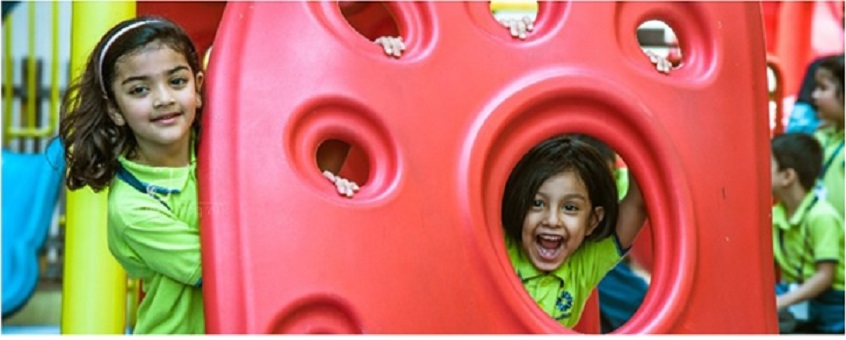
The name ‘playschools’ defines the experience a child goes through during their early years of development. It is an early childhood program run by professionally trained adults in which learning is mixed with play. It is usually for children between the ages of 2 and 4. In playschools, professionally trained educators create a nurturing environment where children learn through play-based activities.
The main goal of playschools is to introduce children to structured learning while allowing them to explore their creativity and curiosity. Through activities such as storytelling, games, art, and group play, children gradually develop essential life skills.
Read More – What to Look for in a Play School for Your Child
Importance of Preschool Education
1. Developing Social and Emotional Skills
The importance of Preschool education is that it helps in a child’s emotional, social, and personal growth and development. Preschool is the first experience of a child in a structured setting, where they learn how to share and learn new things. This fosters their personal growth. When 3-year-olds spend time with adults other than their parents, they learn to build trusting relationships with adults. Over time, they become more confident in social situations and learn how to express their feelings.
Improving Language and Communication Skills
A child learns to talk at home, but in preschool, they can continue developing their skills through interaction with other kids and teachers. The thoughts and imagination of the child are transformed into information. This information and mental images are what develop into their language. Exposure to rich language through role-plays, read-aloud sessions, and stories helps to enhance the child’s vocabulary, thereby promoting language skills.
2. Learning Through Play
Play is an essential part of early childhood education.
Most parents give their children plenty of attention concerning their basic needs and shower them with toys to entertain them. However, in preschools, children are given the right toys, those appropriate to their stage of development. There is free play and guided play, which makes play a learning experience. The idea is that children would transfer these play behaviors, such as feeding a doll, changing its clothes, building and organizing bricks, to themselves, and thus develop self-help skills. The thinking is that if a child can go through the motions of feeding a doll, it will soon learn to feed itself.
3. Developing Self-Help and Daily Life Skills
Playschools also help children develop independence and everyday life skills. Playschools also teach children to recognize their possessions. Soon, the child will learn to identify their schoolbag. Learn the mealtime routine that involves opening a lunchbox, folding a napkin, and putting everything back after the meal is over, and so on. Children are not born with these skills; they have to develop them. And this is where the playschool steps in to help the parents out.
4. Reducing Separation Anxiety
Playschool also helps minimise separation anxiety. It prepares children to face the world, as they are self-confident and independent, and also have improved interpersonal skills and vocabulary. The child’s language skills develop faster as they interact with many children of their age and a little older.
Read More – Benefits of Preschool Education
Benefits of Playschools for Parents
Children are not the only ones who benefit from playschools. They provide parents with an external support system in terms of enhancing the child’s developmental skills. In addition, parents get an opportunity to interact with other parents and keep in touch with different approaches to parenting. Parents also have a chance to observe other children and thus have a point of reference for judging their own child’s behavior. Parents can approach the trained supervisors for advice if they are facing any problems with their child at home. In other words, playschools widen parenting horizons.
The constructive set of parents is of the strong feeling that early school leads to better development of the child’s brain and knowledge stream. A well-structured school is beneficial for their overall growth.
Read More – Pros and Cons of Preschool Education
How EuroKids Creates a Positive Early Learning Experience
At EuroKids, early childhood education is designed to support the overall development of young children in a safe and nurturing environment. Many parents often wonder, “Are playschools good for children?” The answer lies in how these early learning spaces help children develop important life skills during their formative years.
In a playschool setting, children get the opportunity to interact with peers, explore new ideas, and build independence outside the home environment. At EuroKids, learning happens through fun activities such as storytelling, music, art, and play-based exercises that encourage creativity and curiosity.
H2 – Conclusion
Playschool helps in building a strong foundation in social, pre-academics, and general life skills. It helps in the development of a child’s emotional and personal growth and provides opportunities for children to learn in ways that sheerly interests them and develop a strong sense of curiosity. Consequently, it helps in building a positive association with inquisitive learning in the form of fun activities and guided play.
To explore more learning ideas, environmental topics, and early childhood resources, parents can visit the EuroKids Blog. Those who wish to enrol their child in a joyful and responsible learning environment can find complete details on the EuroKids Preschool Admission Page, where learning goes hand in hand with care for the future.
FAQs:
1. What is the ideal age for children to start playschool?
Most children start playschool between the ages of 2 and 3 years.
2. Why are playschools important for children?
They help children develop social, emotional, and cognitive skills while preparing them for formal schooling.
3. How do playschools help with language development?
Children improve their vocabulary through storytelling, conversations, and interactive activities.
4. Do playschools help reduce separation anxiety?
Yes, they help children gradually become comfortable being away from their parents.
5. What skills do children learn in playschool?
Children learn communication, social interaction, self-help skills, and early academic concepts.