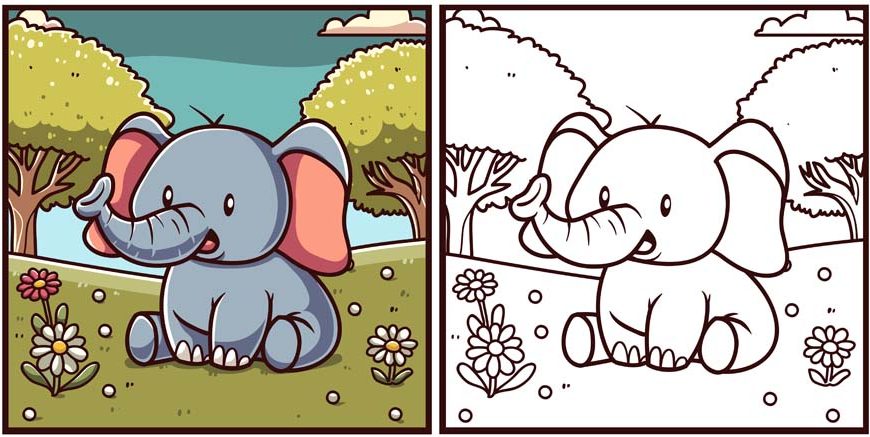
You sit beside your child, watching small hands grip a crayon with intense focus. The page already has neat outlines. A sun waits to be coloured yellow. A house waits for a roof to turn red. This moment feels productive. Quiet. Safe. Yet a question quietly forms. Is this activity helping your child grow, or is it simply keeping them occupied?
In today’s world, parents think deeply about early learning. You do not want shortcuts. You want experiences that shape thinking, creativity, and confidence. The simple coloring page, once seen as an unquestioned learning tool, now sits under scrutiny. Some experts praise it. Others warn against overuse. Parents feel confused, unsure whom to trust.
This blog helps you move past extremes. It explains what colouring really does for a young child, when it supports development, and when it may limit growth. More importantly, it helps you make informed choices that respect how children truly learn.
Understanding What a Coloring Page Actually Offers
A coloring page presents a child with a defined structure. Shapes already exist. The task feels clear. Stay within lines. Choose colours. Finish the picture. For young children, this structure creates a sense of control and achievement. Completing a page brings satisfaction, especially when adults praise the result.
From a developmental perspective, colouring supports hand strength, grip control, and visual focus. Children practise holding tools and coordinating eye and hand movement. These skills matter, especially in early stages.
However, colouring also limits decision making. The child does not decide what to draw. The image already exists. Creativity enters only through colour choice. Over time, if children rely heavily on colouring pages, they may hesitate when asked to create something from nothing. Understanding this balance matters before labelling colouring as good or bad.
Read More – The Developmental Benefits of Coloring Books for Kids
How Young Children Learn Best
Early childhood development depends on exploration. Young brains grow through curiosity, movement, and experimentation. Children learn best when they make choices, test ideas, and see outcomes change.
When a child draws freely, they decide what appears on the page. A circle becomes a face. Lines turn into rain. There is no correct result. This freedom strengthens imagination and problem solving. Children learn to trust their ideas.
Structured activities, including a coloring page, offer predictability. Predictability can calm children and build focus. Yet too much structure reduces opportunities for original thinking. Development thrives when children experience both guidance and freedom. Understanding this helps parents evaluate how often colouring fits into a child’s daily routine.
Are Coloring Sheets Bad for Early Development
Colouring sheets become problematic when they dominate a child’s learning time. When adults focus heavily on neatness, staying inside lines, or choosing the correct colour, children begin working for approval rather than expression.
Repeated exposure to pre-drawn images may limit imagination. Children get used to filling spaces instead of creating ideas. Some children hesitate when given a blank page because no outline tells them what to do.
Pressure also plays a role. Correcting a child’s colouring or comparing results creates performance anxiety. Learning shifts from joy to fear of mistakes. These patterns can weaken confidence over time. The issue lies not in the coloring page itself, but in how often and how rigidly adults use it. Awareness allows parents and educators to prevent these risks early.
Read More – Colour Identification Games for Preschoolers
When Coloring Pages Support Development Positively
Colouring supports development when used intentionally. Occasional colouring helps children slow down, focus, and practise fine motor skills. It suits moments when calm activities benefit emotional regulation.
A coloring page works well after free play or storytelling. It reinforces themes children have already explored creatively. For example, after discussing animals, colouring an animal page supports recall without limiting imagination.
Age matters too. Younger children benefit more from scribbling and open drawing. Older preschoolers handle structured tasks with greater confidence. Balanced use allows colouring to complement learning rather than replace exploration.
Free Drawing Versus Coloring Pages
A blank page invites questions. What should I draw? Where should I begin? These questions strengthen thinking skills. Free drawing encourages children to take initiative and trust their ideas.
When children draw freely, they tell stories through pictures. They experiment with shapes and colours without fear. There is no wrong outcome. This builds emotional safety and creative confidence.
Colouring pages remove uncertainty but also reduce opportunity. Children focus on finishing rather than imagining. Both activities have value, but free drawing should lead to early learning experiences, with colouring used thoughtfully.
Read More – Color Activities for Kids
What Research and Experts Say
Research in early childhood education highlights the importance of open ended activities. Studies from child development organisations show that creativity and problem solving grow through exploration rather than repetition.
Experts recommend limiting worksheet based activities, including colouring sheets, especially for younger children. They encourage sensory play, storytelling, drawing, and movement as primary learning methods. When structured activities appear, they should support skills rather than control outcomes. This research reinforces the idea that balance, not elimination, guides healthy development.
How Preschools Approach Coloring Activities Today
Quality preschools no longer rely heavily on worksheets. They use colouring as one element within a wider learning experience. Teachers observe children’s interests and design activities that encourage thinking, communication, and collaboration.
Colouring often follows storytelling, role play, or discussions. This approach ensures that the coloring page supports understanding rather than replaces engagement. Children connect ideas across activities, strengthening memory and comprehension. This shift reflects a deeper understanding of early learning needs and respects each child’s developmental pace.
EuroKids designs learning experiences that prioritise exploration, expression, and emotional development. Activities encourage children to think, communicate, and create confidently rather than follow rigid outcomes. EuroKids follows the Heureka Curriculum, which supports experiential learning and conceptual understanding aligned with early childhood development.
What You Can Do at Home
At home, offer a mix of activities. Provide blank paper, crayons, and time without instructions. Allow mess. Let children explain their drawings instead of correcting them.
Use a coloring page occasionally, without pressure. Avoid correcting colours or lines. Focus on effort and enjoyment rather than appearance. Rotate activities to include storytelling, building, singing, and movement. These experiences strengthen learning far beyond worksheets.
Read More – Teaching Colours To Kindergarten Kids
Conclusion
Colouring sheets are neither heroes nor villains. They are tools. When used excessively or rigidly, they limit creativity. When used intentionally, they support focus and motor skills. Understanding early development helps you make confident choices. Balanced learning environments nurture imagination, confidence, and curiosity.
Parents exploring EuroKids Admission will find programmes designed to respect how children learn best. For continued insights, the EuroKids Blog offers guidance that supports thoughtful parenting and early education decisions. Your child’s creativity deserves space to grow. Choosing wisely today shapes how they learn tomorrow.
Frequently Asked Questions
1. Are coloring pages bad for toddlers?
Colouring pages may limit creativity if overused. Toddlers benefit more from free scribbling and sensory play.
2. How often should children use a coloring page?
Occasional use works best. Balance colouring with open ended creative activities.
3. What activities support creativity better than colouring sheets?
Free drawing, storytelling, building, and role play support deeper creative development.
4. Do preschools still use coloring pages?
Yes, but thoughtfully. Quality preschools use colouring as part of a wider learning experience.
5. How can parents encourage creativity at home?
Offer choices, avoid corrections, and prioritise exploration over perfect results.