Teaching a child the alphabet is an incredible journey of sounds and shapes. When moving from the quiet, nasal hum of the letter n to the bold, punchy sound of the letter G, you will notice an immediate shift in your child’s energy.
The letter G is fun to say. It requires a little gulp at the back of the throat. When you first introduce g words to your early reader, you are giving them the building blocks to describe some of their favourite animals, foods, and outdoor games. However, reading g letter words on a page requires more than just making a funny sound.
Children need context. They absorb English words with g much faster when the sounds are attached to tangible things they can picture in their minds. Today, we are focusing entirely on words that start with g. We have compiled a comprehensive, categorised dictionary of 40 highly useful words that start with the letter g to make your phonics practice engaging, joyful, and incredibly effective.
Mastering the Gulping Sound
Before we jump into our vocabulary tables, it is important to understand how this letter works. The letter G is a copycat. It actually has two completely different sounds.
The first is the “Hard G” sound, like in the word “goat.” This is a voiced velar plosive. To teach this to your toddler, tell them to pretend they are gulping down a big glass of cold water. Have them put their hand on their throat and make a “guh” sound. They will feel a strong vibration.
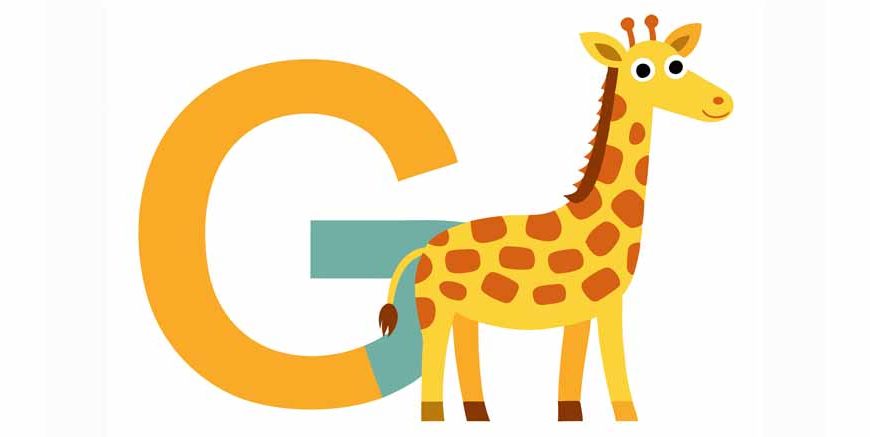
The second is the “Soft G” sound, which mimics the letter J, like in the word “giraffe.” When you are first teaching g sound words, always focus 90% of your time on the Hard G sound. It is much easier for beginners to isolate and understand. Once they master the hard sound, you can gently introduce the soft sound as a special rule-breaker.
Read More – Everyday Vocabulary for Children
The Ultimate “G” Dictionary for Kids
To prevent young readers from feeling overwhelmed, we have organised these g words for kids into four relatable themes. Using tables helps keep the learning structured and visually clean.
The Animal Kingdom
Connecting phonics to animals is the best way to keep a toddler’s attention. Here are ten fantastic creatures to learn.
|
Word |
Simple Meaning for Kids |
Example Sentence |
|
Goat |
A farm animal with horns and a little beard that loves to eat grass. |
The white goat chewed loudly on the green leaves. |
|
Gorilla |
A very large, strong, and highly intelligent ape. |
The giant gorilla rested quietly under the shady tree. |
|
Giraffe |
A tall African animal with a spotted coat and a very long neck. |
The giraffe reached high to eat the top leaves. |
|
Goose |
A large water bird that swims in ponds and makes a loud honking sound. |
The grey goose honked at the people walking by. |
|
Goldfish |
A small, bright orange fish that people often keep as a quiet pet. |
My little goldfish swam in circles in its glass bowl. |
|
Gecko |
A small lizard with sticky feet that can climb straight up walls. |
The tiny green gecko hid behind the flower pot. |
|
Grasshopper |
A green insect that can jump incredibly high into the air. |
The grasshopper leaped out of the tall weeds. |
|
Grizzly |
A massive, powerful brown bear that lives in the forest. |
The grizzly bear caught a fresh fish in the cold river. |
|
Guinea pig |
A small, squeaky furry animal kept as a sweet pet. |
The fluffy guinea pig ate a fresh piece of carrot. |
|
Gull |
A white and grey bird that lives near the ocean and loves the beach. |
The gull flew over the sand looking for a snack. |
2. Food and Tasty Treats
Children learn best when multiple senses are involved. Food-related vocabulary is highly effective because they can literally taste the lesson.
|
Word |
Simple Meaning for Kids |
Example Sentence |
|
Grape |
A small, sweet, round fruit that is usually green or purple. |
I ate a juicy green grape for my afternoon snack. |
|
Garlic |
A strong smelling plant bulb used to make dinner taste delicious. |
My mother added crushed garlic to the tomato sauce. |
|
Guava |
A tropical fruit with green skin and sweet pink flesh inside. |
We drank fresh guava juice with our breakfast. |
|
Gum |
A sweet, stretchy treat that you chew for a long time but never swallow. |
He blew a massive pink bubble with his chewing gum. |
|
Gravy |
A warm, thick brown sauce poured over meat and potatoes. |
Please pour some hot gravy over my dinner. |
|
Gelato |
A rich, soft, and very creamy Italian style of ice cream. |
We bought chocolate gelato on a warm summer evening. |
|
Grain |
A small, hard seed harvested from plants to make our bread. |
The farmer harvested the golden grain from the field. |
|
Grapefruit |
A large citrus fruit that is yellow on the outside and pink inside. |
She ate a sour grapefruit to wake up in the morning. |
|
Ginger |
A spicy, bumpy root used to add a warm flavour to meals and tea. |
The baker used fresh ginger to make the cookies spicy. |
|
Gouda |
A mild, yellow cheese that tastes wonderful on crackers. |
I had a slice of gouda cheese with my fresh apple. |
3. Everyday Objects and Nature
These are the items your child interacts with daily. Pointing them out at home builds immediate word recognition.
|
Word |
Simple Meaning for Kids |
Example Sentence |
|
Gate |
A door built into a fence outside to let people walk through. |
Please close the wooden gate so the dog stays inside. |
|
Glass |
A clear, hard material used to make our windows and drinking cups. |
I poured cold milk into the tall glass. |
|
Garden |
A special piece of land where colourful flowers and fresh vegetables grow. |
We planted new red roses in the back garden. |
|
Grass |
The short green plants that cover a lawn or a playing field. |
The children ran barefoot through the soft green grass. |
|
Globe |
A round, spinning model of the entire Earth showing the oceans and land. |
The teacher pointed to our country on the classroom globe. |
|
Guitar |
A wooden musical instrument with six strings that you strum. |
He played a happy song on his acoustic guitar. |
|
Glue |
A sticky white liquid used to permanently attach pieces of paper together. |
I used glue to stick the glitter onto my art project. |
|
Garage |
A building attached to a house where you park the family car. |
My father parked the blue car inside the dark garage. |
|
Gold |
A very shiny, bright yellow metal that is valuable and used for jewellery. |
The queen wore a beautiful crown made of solid gold. |
|
Gift |
A wrapped present given to a friend for a special celebration. |
I opened the wrapped gift and found a new toy. |
4. Expanding Spelling: Five Letter Words Starting With G
As your child masters short words, they need a gentle challenge. Introducing five letter words starting with g is the perfect way to stretch their blending and reading skills.
|
Word |
Simple Meaning for Kids |
Example Sentence |
|
Ghost |
A spooky, floating white spirit from fun scary stories. |
The friendly ghost floated right through the solid wall. |
|
Giant |
A very tall and huge person from old fairy tales. |
The big giant took a massive step over the mountain. |
|
Glove |
A warm covering for your hand that has a separate space for every finger. |
I lost my left winter glove in the deep snow. |
|
Green |
The bright colour of fresh spring leaves and crunchy apples. |
She painted the big tree using her bright green paint. |
|
Guess |
To try and answer a tricky question when you are not completely sure. |
Can you guess how many marbles are in this jar? |
|
Guide |
To safely show someone the right way to travel or complete a task. |
The clever dog will guide the sheep back to the farm. |
|
Gummy |
A sweet, sticky, and very chewy texture. |
I love eating the sweet gummy bear sweets on Fridays. |
|
Guest |
A person who is invited to come and visit your house. |
We set an extra plate on the table for our special guest. |
|
Grime |
A thick layer of dirt covering the top of a surface. |
He scrubbed the dark grime off the kitchen floor. |
|
Grill |
A metal rack used outside to cook food over a hot fire. |
We cooked the sweetcorn on the hot metal grill. |
Read More – High Frequency Words For Kids
Playful Phonics Games to Try at Home
You cannot expect a young learner to memorise 40 words by simply staring at a screen. You must make the vocabulary physical.
The Green Garbage Game:
Write your target words on pieces of green scrap paper and crumple them into balls. Set up a small clean bin. Ask your child to pick up a piece of “garbage,” uncrumple it, and read the word loudly. If they read it correctly, they get to throw it into the bin like a basketball.
The Giant Steps Challenge: Stand on one side of the room. Hold up a flashcard with one of the words from your list. If your child reads it correctly, they get to take one “Giant” step toward you. The game ends with a big hug when they cross the room.
Conclusion
At EuroKids, we champion this exact method of joyful, active discovery. Our HEUREKA curriculum ensures that young learners do not just memorise the alphabet; they truly understand it through play, sensory activities, and visible thinking. Choosing the right preschool environment gives your child the absolute best foundation for these early academic triumphs. We warmly invite you to visit a EuroKids centre near you to watch our child-first philosophy in full swing. For more practical home activities, vocabulary lists, and insights into early childhood milestones, please continue to explore the EuroKids Blog.
FAQs
How do I explain the difference between Hard G and Soft G?
Keep it simple. Tell your child that G is a “copycat” letter. Sometimes it uses its own strong, gulping voice (Hard G like in Goat), and sometimes it gently copies the letter J (Soft G like in Giraffe).
At what age should my child learn these 40 words?
Do not teach all 40 at once. Introduce three to five words a week starting around age four or five, depending entirely on their individual reading readiness.
Should we use uppercase or lowercase letters for practice?
Always focus heavily on lowercase letters. The vast majority of text in real storybooks is printed in lowercase, making it the most important format to master early on.
What should I do if my child gets frustrated sounding out a word?
Stop immediately. Frustration completely blocks learning. Take a physical break, do a puzzle, and return to the word later using a hands-on game instead of just looking at the paper.