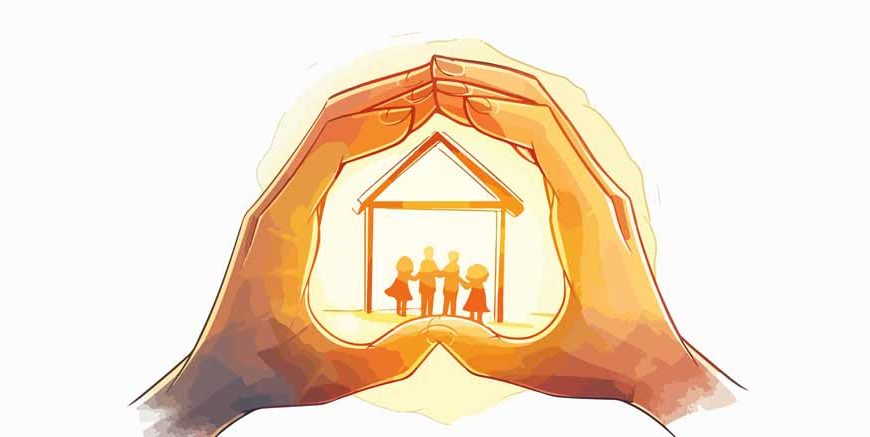
Have you ever been caught outside in a sudden rainstorm? You run as fast as your legs can carry you to find a roof. Animals do the exact same thing when the weather turns nasty. Birds weave tiny nests in tall trees. Bears find dark caves to sleep out the cold winter months safely. We humans build houses. Figuring out exactly “what is shelter” helps kids appreciate their own warm beds. At its most basic level, a shelter is simply any physical structure that keeps you safe from bad weather and danger. Today we are looking at why we desperately need these buildings, the clever ways people put them together, and what makes a normal building feel like a real home.
The Real Reason Behind Our Homes
If a curious child asks you why do we need a house, the answer is all about staying alive and comfortable. Thousands of years ago, people did not have clever heating units or electric fans. They had to survive freezing storms and burning sunshine using only what they could find around them. A house acts as a massive shield for the family. It stops the bad weather from getting to you.
Plus, a good sturdy house gives you a solid wall to hide behind when wild animals or nasty bugs are roaming around outside. When you lock your front door before going to sleep, you are physically shutting out the unpredictable world. It gives families a completely dry place to keep their food safe, rest their tired bodies, and raise young children without worrying about predators sneaking up on them in the dark.
Read More – Home Safety for Kids
Adapting to the Local Weather
People are actually brilliant at solving big problems. We do not just build the exact same house everywhere on the planet. Instead, we look at the local weather and use materials that make sense for that specific spot. The things we use to build depend entirely on what is lying around nearby. Families living near thick, dark forests usually build wooden log cabins because strong timber is easy to chop and find. On the flip side, folks living in baking hot deserts mix mud and clay to bake hard bricks. This keeps the burning sun out of their living rooms. Exploring all the different types of shelters around the world shows how flexible humans are. We use local dirt, big heavy rocks, animal skins, and strong steel to create safe spots in the harshest places on Earth.
Unique Homes Around the World
Building a good house is a bit like putting together a giant puzzle. You have to figure out how to beat the local weather. When you look closely at the unique types of shelter built across different countries, you see some brilliant ideas at work. Here is a fun list showing how people live in extreme climates today:
- Igloos: Up in the freezing Arctic, you cannot find wood. So, people use huge blocks of solid ice and hard packed snow to build round dome shaped huts. The snow actually traps human body heat inside, which keeps everyone surprisingly warm.
- Stilt Houses: In places that get massive rainstorms and deep floods, people build their wooden homes sitting high up on thick bamboo legs. This clever trick keeps the dirty floodwater completely out of the living room.
- Tents: Some people constantly travel across wide deserts to find food for their animals. Building a heavy brick house makes zero sense for them. They use strong animal skins or thick canvas to make tents that easily fold up and move when they travel.
- Apartments: In busy modern cities where open land is super expensive, we build tall towers using steel and concrete. Stacking homes on top of each other lets thousands of people live safely in one tiny neighbourhood.
Read More – Types Of Houses For Preschoolers And Kids
Making a House a Home
We all know that a roof keeps the rain off our heads. But the true importance of shelter goes way beyond just physical bricks and wood. A house is a biological need, but a home is something you feel in your heart. Once that front door shuts and the noisy street is locked away, a house turns into a private sanctuary. It is the exact place where a family builds trust, eats warm dinners together, and creates memories that last forever. A child who grows up in a secure environment feels brave enough to step outside and explore new things. They have the confidence to try because they know they have a safe base to come back to when the day is done.
Conclusion
It is quite amazing to think that houses look completely different depending on where you travel, but their main job never changes. Whether you are sleeping in a small canvas tent flapping in a desert breeze, a freezing dome made of packed ice, or a tall apartment building in a loud city, these structures keep you alive. But beyond just surviving a bad storm, our homes are the quiet corners where we actually learn how to live, laugh, and grow up. Teaching children to appreciate their safe, warm beds helps build real daily gratitude for the little things. To discover more fun facts about our big world and find expert advice on raising curious kids, explore the EuroKids Blog and secure their vibrant educational journey today through EuroKids Preschool Admission.
FAQs
What did early humans use before modern houses were invented?
Early humans mostly relied on natural spots like deep rocky caves and large overhanging cliffs to stay dry and hide from dangerous animals at night.
Can a house be made entirely out of mud?
Yes, mud houses are incredibly common in places with hot climates. The thick mud walls block out the harsh heat of the sun, keeping the inside rooms nice and cool.
Why do some houses have slanted roofs instead of flat ones?
Houses built in areas with heavy rain or thick winter snow always have slanted roofs. This lets the water and heavy snow slide right off, stopping the roof from collapsing under the heavy weight.