If you tip a massive box of plastic building bricks onto the living room carpet, all you really have is a chaotic, noisy pile of plastic. But if you sit down and patiently start clicking those tiny, individual pieces together, you can suddenly build a towering medieval castle, a fast race car, or a massive pirate ship. The human body operates using the exact same brilliant logic.
We are entirely built out of millions of microscopic building blocks that seamlessly snap together to create our skin, our beating hearts, and even our eyelashes. Today, we are going to look closely at the most important biological building material of all. We are going to explore how a simple nutrient found in a bowl of hot lentils magically transforms into the strong muscles that help you climb trees and ride a bicycle.
Understanding the protein definition nutrition
When doctors and professional dietitians talk about food, they generally split everything we eat into three main groups: carbohydrates, fats, and proteins. If you are looking for the proper protein definition nutrition, it is essentially the body’s primary repair and construction material.
Think of it exactly like the heavy bricks and wet cement used on a busy building site. While carbohydrates give you the quick, immediate sugary energy to sprint across a muddy football pitch, this specific nutrient is responsible for actually building the tough leg muscles that allow you to run in the first place. It is classified as a vital macronutrient. The prefix ‘macro’ simply means large, which indicates that your body desperately needs a very large amount of it every single day just to survive, heal, and grow properly.
Read More – Choosing Nutrient Rich Foods for Kids
The clever composition of protein
To truly understand how this amazing nutrient works inside your stomach, you have to look at its physical shape. The composition of protein is completely fascinating because it looks almost exactly like an incredibly long, colourful bead necklace. The entire necklace represents the nutrient itself, but it is actually made up of twenty different types of tiny, individual beads called amino acids.
When you chew and swallow a piece of food, your stomach acts like a pair of microscopic scissors. It snips the long bead necklace apart into individual, loose beads. Your body then absorbs these loose beads into your bloodstream and cleverly strings them back together in brand new patterns to build whatever you need that specific day. If you fell over and scraped your knee on the pavement, your body strings the beads together to manufacture fresh new skin. If you are a child going through a massive growth spurt, it strings them together to make longer bones and thicker muscles.
Looking at the chemical composition of protein
If we zoom in even closer with a highly powerful laboratory microscope, we can see exactly what those tiny amino acid beads are actually made of. So, what does protein contain at a microscopic, chemical level?
The strict chemical composition of protein is a very specific mix of four main natural elements: carbon, hydrogen, oxygen, and nitrogen. The inclusion of nitrogen is the massive secret weapon here. Carbohydrates and fats also contain carbon, hydrogen, and oxygen, but they do not hold any nitrogen at all. Nitrogen is the unique, magical ingredient that allows these molecules to build strong, living tissues like muscles and internal organs, rather than just storing energy away for later. Sometimes, depending on the highly specific job the molecule has to do in the body, you might even find tiny traces of sulfur hiding inside the recipe too.
Read More – Healthy Foods for Kids to Gain Weight
Brilliant examples of proteins in our daily food
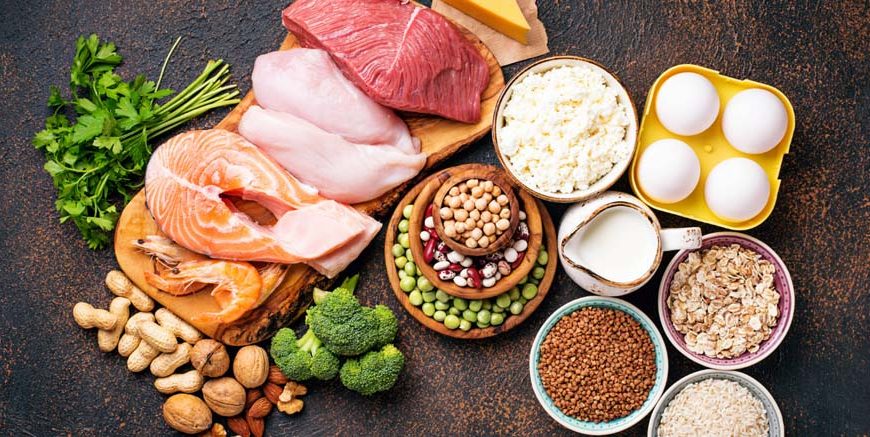
Finding this nutrient in your daily meals is incredibly easy once you know exactly what to look for on your dinner plate. When kids ask, what are examples of proteins, we usually point straight to the farm or the vegetable garden. Here is a clear, descriptive list of some brilliant food sources that deliver a massive dose of these building blocks:
- Eggs: Often considered the absolute perfect source of nutrition, eggs contain every single type of amino acid bead your body could possibly need to build healthy tissues.
- Chicken and Fish: Lean meats are packed tightly with this nutrient, making them brilliant for repairing aching muscles after a highly active school sports day.
- Dairy products: A cold glass of milk, a thick slice of cheddar cheese, or a bowl of morning yoghurt are fantastic options that also provide calcium for strong teeth.
- Lentils and Beans: You absolutely do not have to eat meat to get strong! Pulses, kidney beans, and lentils are massive powerhouses of nutrition for vegetarians and vegans.
- Nuts and Seeds: A handful of crunchy almonds or a spoonful of smooth peanut butter on a slice of toast provides a brilliant, tasty dose of building materials.
Incredible examples of proteins inside your body
We do not just eat these molecules; we are entirely made of them. If you want to know what are examples of proteins functioning right now inside your own body, the list is absolutely amazing:
- Keratin: This is a super tough, waterproof version of the molecule. It is the exact material that makes up your growing fingernails and the hair on your head. In the wild, it is the exact same material that makes up a rhinoceros horn!
- Haemoglobin: This is a highly specialised molecule living inside your red blood cells. Its only job is to grab onto the fresh oxygen from your lungs and carry it safely down to your toes. It is also what gives your blood its bright red colour.
- Antibodies: These are the brave, microscopic soldiers of your immune system. When a nasty cold virus enters your nose, your body instantly builds these specific molecules to hunt down the virus and destroy it before you get too sick.
Read More – Protein Powder for Children
Conclusion
It is genuinely thought-provoking to realise that a simple bowl of baked beans or a freshly boiled egg holds the exact microscopic building blocks needed to grow your hair, heal your cuts, and fight off winter colds. We spend a lot of time telling children to simply sit down and eat their dinner, but when they actually understand the magical science happening right inside their stomachs, food becomes much more than just a daily chore. It becomes the literal fuel for their own growth and independence. Showing children that they are essentially made of millions of tiny, living building bricks helps them make much smarter, healthier choices when they open the fridge door looking for a snack. Fostering this kind of deep, practical understanding of how our bodies interact with nature is a cornerstone of our educational philosophy, ensuring kids grow up appreciating the brilliant mechanics of their own health. To discover more fantastic insights into early childhood education and daily development, explore the engaging articles on the EuroKids Blog and secure a wonderful learning journey for your child today through EuroKids Preschool Admission.
FAQs
Can you eat too much of this nutrient?
Yes, you certainly can. If you eat far more building blocks than your body actually needs to repair itself, your body will simply break them down and store the extra leftovers as fat.
Do all foods have the same type of amino acids?
No, animal products like meat and milk usually contain all the essential building beads you need, while plant foods like beans might only have a few. This is exactly why eating a highly varied, colourful diet is so important.
Why do we need to eat it every single day?
Unlike fats, our bodies do not have a special storage system for these building blocks. We cannot magically save them up for next week, so we have to eat a fresh supply every single day to keep our muscles healthy and strong.