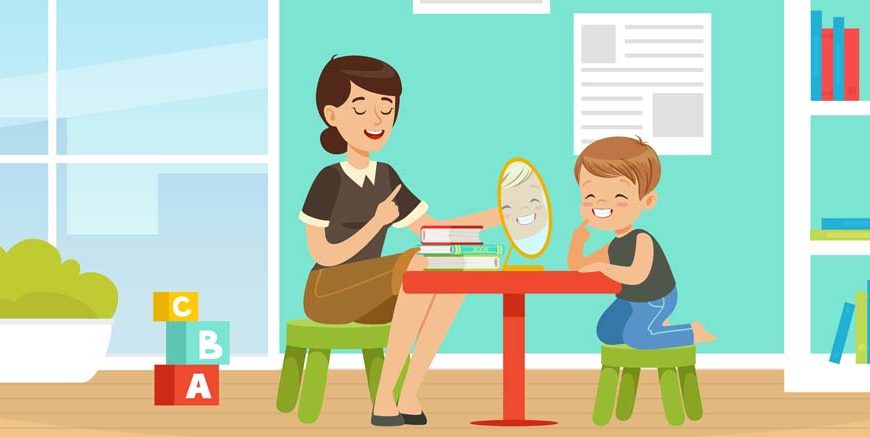
A toddler’s entire universe usually consists of their house, their parents, and perhaps a familiar local park. To them, the sudden introduction of a busy classroom, a brand new teacher, and dozens of unfamiliar faces is nothing short of a monumental life event. As adults, we tend to view this transition as an exciting, necessary milestone.
We buy the tiny backpacks and take the obligatory front-door photographs. But for a three-year-old, stepping away from their primary caregiver can feel like stepping onto an alien planet. The way we frame this upcoming adventure deeply dictates how they will walk through those classroom doors on their very first morning. It requires a great deal of patience, incredibly careful phrasing, and a massive amount of empathy to get the messaging exactly right.
Understanding preschool emotions
When a young child slowly realises that their comfortable daily routine is about to change, a massive wave of feelings will naturally follow. You might witness a sudden surge of excitement about playing with new toys, which is then quickly followed by unexpected tears, intense clinginess, or even a sudden regression in their recent potty training. These preschool emotions are entirely valid and completely normal for their developmental stage.
A child does not yet possess the complex emotional vocabulary to sit down and say, “I am feeling quite anxious about the unpredictable nature of my new schedule. “Instead, they communicate their deep-seated worry through their raw behaviour. If they start acting out, throwing sudden tantrums over breakfast, or flatly refusing to look at their new school shoes, it is simply their physical way of processing a huge, unknown change. Acknowledging that it is perfectly acceptable to feel nervous shows them that they do not have to put on a brave face just to please you. Telling them, “I can see you are feeling a bit worried about tomorrow, and that is okay, I get nervous about new things too,” instantly validates their experience and makes the fear much smaller.
Read More – What are the characteristics of preschool students?
The Art of child communication
When broaching the topic of early education, timing and your tone of voice are absolutely everything. The core of effective child communication during this delicate phase is keeping things incredibly concrete and highly predictable. Abstract concepts like “making new friends”, “learning to share”, or “growing up” mean very little to a toddler whose brain only understands the immediate present.
Instead of talking about abstract benefits, talk about the physical realities of their new day. Explain exactly what will happen in a step-by-step, highly detailed narrative. You can sit with them and say, “Tomorrow, we will wake up, put on your warm blue coat, and drive to the building. You will hang your coat on a special peg with your name on it. Then you will play with the big wooden blocks, eat the cheese sandwich in your lunchbox, and after storytime, I will be waiting right by the heavy green door to take you home.” Focusing heavily on the sequence of physical events removes the terrifying mystery. The more predictable the day sounds, the safer they will feel.
Practical preschool support at home
Talking is a wonderful starting point, but young children learn best through physical play and tangible, hands-on actions. You can seamlessly weave practical preschool support into your daily weekend routines long before the actual academic term starts. Preparing them practically removes a massive layer of stress for both of you. Here is a clear, actionable list of ways to prepare them through play:
- Roleplay the morning drop-off: Use their absolute favourite stuffed animals to act out saying goodbye. Show the teddy bear giving a big, tight hug, walking away bravely into the block castle, and then playing happily with the other toys. Let your child play the role of the teacher welcoming the bear.
- Practice the lunchbox routine: Set up a pretend picnic on the living room rug. Teach them exactly how to unclip their stiff plastic lunchbox, peel their own fruit, and open their water bottle independently. Knowing they can feed themselves without asking a stranger for help builds massive confidence.
- Read relevant storybooks: Find age-appropriate picture books about starting school. Reading about a fictional rabbit or bear who feels nervous but ends up having a brilliant day provides a relatable, safe framework for discussing their own internal worries.
- Adjust the sleep schedule early: Start waking them up at the required school time at least a week in advance. A tired toddler is an emotional toddler, so ensuring their body clock is fully adjusted before day one is a lifesaver.
- Visit the building: If possible, walk or drive past the school gates on a quiet weekend. Point out the colourful playground equipment and normalise the driving route so the actual journey on the first morning feels wonderfully familiar rather than completely foreign.
Read More – Importance of Early Childhood Development
Building Long-term kids emotional support
The supportive conversation absolutely does not stop the moment you drop them off on day one. Genuine kids’ emotional support requires ongoing, gentle check-ins. When you pick them up in the afternoon, try your best to avoid asking broad, overwhelming questions like, “Did you have a good day?” A tired toddler, experiencing what experts call ‘restraint collapse’ after holding their behaviour together all day, will usually just grunt or say no.
Instead, ask highly specific, easily answerable questions. “What colour paint did you use today?” or “Did you play in the sandpit or at the water table?”
Keep the dialogue open, breezy, and light. If they express sadness or say they missed you terribly, validate it instantly. Saying “I missed you too, and I was thinking about you while I was at work” provides immense comfort. It reassures them that while you are apart, the familial bond remains completely unbroken. This supportive, emotionally intelligent framework aligns beautifully with the Heureka Curriculum, which places a massive emphasis on a child’s emotional security as the absolute foundation for their future academic curiosity and social independence.
Read More – The Influence of Parental Mental Health on Children
Conclusion
The shift from a quiet, deeply familiar home life to a bustling early learning environment is a massive leap of faith for a young child. It is a period of intense, rapid growth, not just for them, but for you as a parent learning how to confidently step back and let them go. The gentle conversations you have in the weeks leading up to this milestone do significantly more than just prepare them for a classroom; they teach your child that they can entirely trust you to guide them through the scary, unknown chapters of life.
When you take the time to validate their fears, practice their new independence skills on the living room floor, and paint a clear, predictable picture of their day, you give them the ultimate gift of security. They learn that while the world outside their front door is big and occasionally overwhelming, they possess the right tools and the unwavering parental backing to conquer it bravely. To explore more gentle parenting strategies and discover exactly how we support your child’s crucial developmental milestones, have a read through the EuroKids Blog and easily secure their place today via EuroKids Preschool Admission.
FAQs
What if my child cries every single time I bring up the topic?
If simply talking about the classroom causes immediate distress, back off completely. Give it a few days of rest, and then introduce the topic indirectly through a fun storybook or a cartoon, rather than making it a heavy, direct conversation.
Should I sneak away during the first drop-off to avoid the tears?
Absolutely never sneak out. While it might save you from hearing a loud tantrum in the immediate moment, disappearing secretly shatters their trust and makes the drop-off the next day significantly harder. Always say a clear, confident goodbye.
How early should I actually start talking about this transition?
Bring it up gently about two to three weeks before the start date. Bringing it up months in advance gives a toddler far too much time to dwell and worry, while mentioning it the night before is much too sudden and shocking.