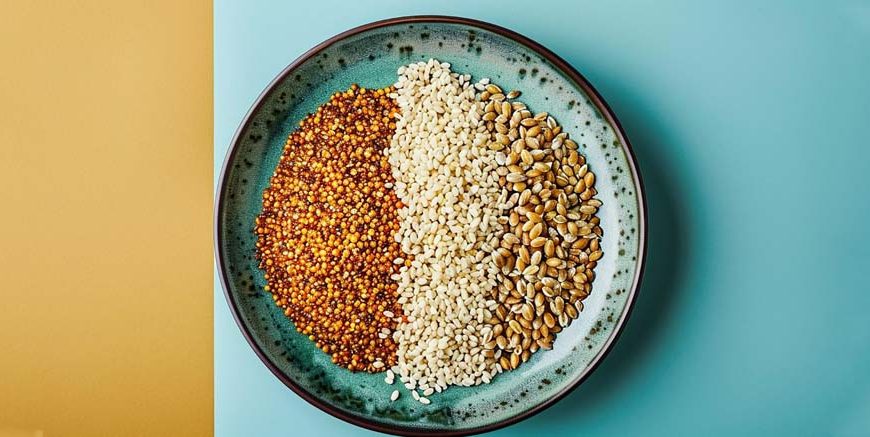
Picture a bright, sunny morning. You sit down at the kitchen table, and your parents hand you a warm, comforting bowl of porridge, a crunchy piece of buttered toast, or a steaming plate of fluffy poha. Have you ever paused mid-bite to wonder where these delicious meals actually come from?
Before they reached your breakfast plate, they began their journey as tiny, unassuming seeds swaying in a vast, golden field. These little wonders of nature are the foundation of our daily meals, yet we rarely stop to think about their story.
If you are curious about the natural world and the food that keeps you running around the playground all day, you are in the right place. Today, we are going to explore the fascinating world of agriculture to understand exactly what these tiny seeds are, where they grow, and why they are so important for our bodies.
What is the Meaning of Grain?
When we look up the grain meaning in English in a thick dictionary, it can sometimes sound a bit complicated. So, let us break it down into simple terms. If someone asks you, “what is the meaning of grain?”, you can tell them that it is a small, hard, dry seed harvested for human or animal food.
These seeds usually grow on tall, grass-like plants known as cereals. Imagine a tall piece of grass growing in your garden, but instead of just having a leafy top, it produces a cluster of hard little bumps at the very top. Those bumps are the seeds! Nature designed them to be tough and dry on the outside so they can survive hot summers and cold winters without spoiling.
Read More – Choosing Nutrient Rich Foods for Kids
What Are Grains Exactly?
You might be wondering, what are grains doing inside our food? To a plant, a grain is simply a baby plant waiting to happen. The mother plant packs this little seed with a massive amount of energy, vitamins, and minerals so that if it falls into the soil, it has enough fuel to sprout into a brand-new green shoot.
When humans harvest and eat these seeds, we are essentially borrowing that packed energy. They are filled with complex carbohydrates, which act like a slow-burning fuel for your body, and lots of dietary fibre, which keeps your tummy happy and healthy. Without them, we would feel tired and sluggish halfway through the school day.
Familiar Names of Grains and Brilliant Examples
To help you spot them in your own kitchen cupboards, let us look at a list containing some common names of grains. You have probably eaten most of these without even realising it! Here are some fantastic examples of grains:
- Wheat: This is perhaps the most famous cereal in the world. When farmers harvest wheat, they grind the hard little seeds into a soft, powdery white or brown flour. This flour is the magical ingredient used to bake loaves of bread, roll out soft chapatis, and even make the pasta you eat for dinner.
- Rice: Whether it is fluffy and white or chewy and brown, rice is a staple food for more than half of the people on our planet. It grows in flooded fields called paddies and loves hot, wet weather.
- Oats: If you love a warm bowl of porridge on a chilly winter morning, you are a fan of oats. They are wonderfully thick, slightly chewy, and are known for being incredibly good for your heart.
- Corn (Maize): Did you know that the crunchy, yellow popcorn you munch on during a movie night is actually a whole grain? Corn grows on tall, thick stalks and hides its seeds inside a green, leafy wrapper called a husk.
- Barley: This one looks a little bit like a thicker, chewier version of rice. It is often thrown into warming winter soups and stews to make them thick and filling.
Read More – Brain Boosting Foods for Kids
Discovering the Types of Grains in India
India has a beautifully rich and diverse farming history. Because the weather changes so much from the snowy north to the sunny south, farmers grow many different varieties of crops. When we talk about the types of grains in India, we have to look beyond just standard wheat and rice.
India is highly famous for its millets. These are ancient, drought-resistant crops that require very little water to grow, making them perfect for hotter regions. You might have heard your grandparents talking about Jowar (Sorghum) or Bajra (Pearl Millet). Bajra is often ground up to make thick, earthy flatbreads during the winter months. Then there is Ragi (Finger Millet), which has a beautiful pinkish-brown colour. Ragi is packed with calcium, which helps children build super strong bones, and is frequently turned into sweet malt drinks or breakfast dosas.
Fun Facts and Everyday Uses
The uses of these harvested seeds go far beyond just making our sandwiches. They are incredibly versatile! For instance, farmers use a large portion of the world’s grain supply to feed farm animals like cows, chickens, and pigs. Furthermore, the leftover stalks of the plants (the straw) are often used to make cosy beds for horses or even woven into traditional summer hats and baskets.
Read More – Food for Strong & Healthy Bones
Conclusion
When you hold a single grain of wheat in the palm of your hand, it looks so incredibly small and insignificant. Yet, that tiny speck holds the power to grow an entirely new plant, feed a hungry child, and sustain entire civilisations across the globe. It is quite literally nature’s greatest magic trick, quietly unfolding in fields all around us. The next time you sit down to enjoy a simple slice of bread, take a moment to appreciate the sunshine, the rain, and the hardworking farmers who helped bring that tiny seed to your table. If you want to nurture your child’s curiosity about the wonderful world around them and help them grow just as strong as these brilliant little seeds, explore the EuroKids Blog and find out more about EuroKids Preschool Admission today.
FAQs
Are seeds and grains the exact same thing?
All grains are a type of seed, but not all seeds are grains. Grains specifically come from grass-like cereal plants, whereas seeds can come from flowers, fruits, or vegetables.
Why do children need to eat them every day?
They provide essential carbohydrates, which act as the main energy source for a child’s active brain and growing muscles.
Can humans eat them raw straight from the plant?
No, our stomachs cannot digest them properly when they are raw and hard. They must be cooked, boiled, or ground into flour and baked before we can eat them safely.