In schools today, learning is no longer limited to textbooks and notebooks. Visual learning tools play a very important role, especially for children who learn better through pictures, diagrams, and step-by-step planning. One such powerful visual tool is the storyboard.
From English storytelling to animation, films, advertisements, and even classroom projects, storyboards are used everywhere. In Indian schools, teachers increasingly use storyboards to help students organise ideas, improve creativity, and understand sequences clearly.
Here, we will explain in detail what a storyboard is, its meaning, importance, uses, as well as storyboard examples, all in a simple and practical way.
What Is a Storyboard?
Storyboard Meaning in Simple Words
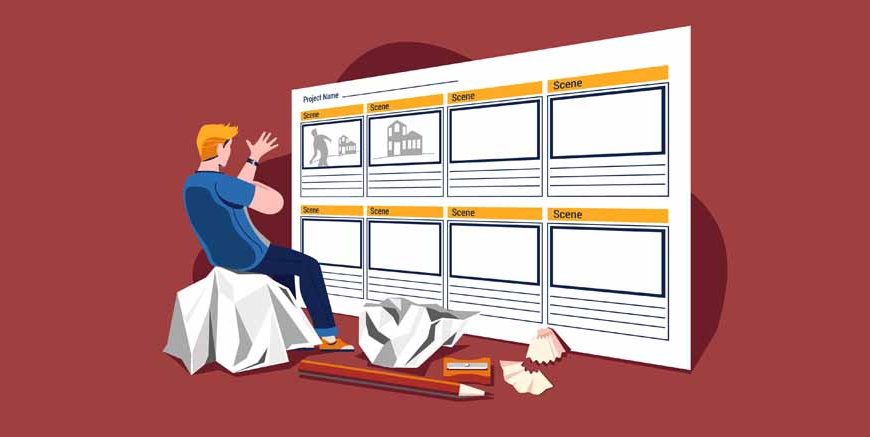
A storyboard is a visual plan that shows how a story, lesson, or idea will develop step by step. It is usually made up of boxes or frames, where each box represents one scene or part of the story.
Each frame may include:
- A simple drawing or picture
- A short description
- Dialogue or key points
So, when students ask, “What is a storyboard?”, the most straightforward answer is:
A storyboard is a series of pictures that tell a story in order.
What Is a Storyboard Used For?
A storyboard helps to:
- Plan a story before writing it fully
- Understand the sequence of events
- Organise thoughts clearly
- Improve storytelling and presentation skills
In Indian classrooms, teachers use storyboards in:
- English story writing
- Hindi and regional language storytelling
- EVS and Social Science explanations
- Drama, role-play, and project work
Why Are Storyboards Important for Students?
Storyboards are very helpful for children because they make learning fun and visual.
Benefits of Using a Storyboard
- Improves imagination and creativity
- Helps students understand beginning, middle, and end
- Makes writing easier
- Encourages logical thinking
- Builds confidence in presenting ideas
For younger children, drawing boxes and filling them is more enjoyable than writing long paragraphs.
Parts of a Storyboard
A simple storyboard usually includes:
1. Frames or Boxes
Each box represents one scene.
2. Visuals
Simple drawings, stick figures, or symbols are enough.
3. Text or Notes
This may include:
- Dialogue
- Description
- Key actions
Students don’t need to be expert artists. Clarity matters more than beauty.
How to Create a Storyboard Step by Step
Step 1: Decide on the Story or Topic
For example:
- A festival celebration
- A short moral story
- A science process
Step 2: Break It into Scenes
Think of:
- Beginning
- Middle
- Ending
Step 3: Draw Boxes
Usually, 4–8 boxes are enough for school projects.
Step 4: Add Pictures and Text
Use simple drawings and short sentences.
Storyboard Examples for Students
Understanding storyboard examples makes the concept clearer.
Example 1: Storyboard for a Moral Story
Scene 1: A boy finds a wallet
Scene 2: He thinks about keeping it
Scene 3: He returns it to the owner
Scene 4: He is praised for honesty
Each scene is drawn in one box.
Example 2: Storyboard for a Festival (Indian Context)
Scene 1: Family cleaning the house
Scene 2: Decorating with diyas and rangoli
Scene 3: Performing puja
Scene 4: Sharing sweets
This type of storyboard is very common in Indian primary schools.
Example 3: Storyboard for a Science Topic
Topic: Water Cycle
- Evaporation
- Condensation
- Precipitation
- Collection
Each process is shown in a single frame, labelled.
What Is a Storyboard in Films and Animation?
Beyond classrooms, storyboards are widely used in:
- Movies
- Cartoons
- Advertisements
- YouTube videos
Before shooting a film, directors create a storyboard to plan:
- Camera angles
- Scenes
- Actions
This shows that learning storyboards can even help students interested in creative careers.
Difference Between a Story and a Storyboard
|
Story |
Storyboard |
|
Written in paragraphs |
Shown in pictures |
|
Uses only words |
Uses visuals + words |
|
Final version |
Planning stage |
A storyboard helps before writing the final story.
Storyboard Activities for Kids
Teachers in India often use fun activities like:
- Draw a storyboard for your favourite story
- Create a storyboard for “My Best Day at School”
- Make a storyboard from a comic strip
- Convert a paragraph into a storyboard
These activities improve comprehension and creativity.
Digital Storyboards in Modern Classrooms
With online learning growing in India, digital storyboards are also becoming popular.
Students now create storyboards using:
- Tablets
- Computers
- Online templates
This helps improve digital literacy along with creativity.
Common Mistakes Students Make While Creating Storyboards
- Adding too much text
- Making scenes confusing
- Skipping important steps
- Focusing only on drawings, not the story
Teachers should guide students to keep storyboards simple and clear.
How Teachers Can Use Storyboards Effectively
Teachers can use storyboards to:
- Explain lessons visually
- Assess understanding
- Encourage group work
- Support slow learners
Storyboards are especially useful for inclusive classrooms.
How EuroKids Builds Strong Storytelling Foundations
At EuroKids, storytelling is introduced through hands-on activities, imaginative play, and interactive discussions, allowing young learners to grasp language, sequencing, and creative expression naturally. The HEUREKA – Visible Thinking Curriculum encourages children to explore stories, characters, and events actively, rather than just listening passively.
Storytelling sessions use props, picture cards, and guided questioning routines like See Think Wonder and Circle of Viewpoints to help children think critically and express ideas clearly. Concepts such as plot, character emotions, and moral lessons are reinforced through everyday experiences, enabling children to connect stories to real life.
With 20+ thinking routines designed to make thinking visible, EuroKids nurtures curiosity, creativity, and communication skills. Across 1600+ preschools, storytelling builds confidence, vocabulary, comprehension, and the ability to articulate thoughts effectively, setting a strong foundation for lifelong learning.
Storyboards and NEP 2020 (Indian Education Context)
India’s National Education Policy (NEP) 2020 focuses on:
- Creativity
- Conceptual understanding
- Experiential learning
Storyboards perfectly match this approach by combining:
- Visual learning
- Critical thinking
- Expression
Suggested Twinkl-Style Resources and Ideas
Teachers and parents can look for:
- Printable storyboard templates
- Blank storyboard worksheets
- Story sequencing activities
- Picture-based story prompts
On Twinkl-style teaching platforms, search ideas like:
- “Storyboard template for primary students”
- “Story sequencing worksheets” (Jack and the beanstalk)
- “Comic strip storyboard for kids” (My father, my superhero)
These resources are especially helpful for Classes 1–6.
So, what is a storyboard?
It is a simple yet powerful visual tool that helps students plan, understand, and present stories clearly. With its wide use in education, film, and the creative fields, learning to use a storyboard is a valuable skill for children.
In the Indian classroom context, storyboards make learning interactive, inclusive, and enjoyable. Whether in storytelling, science, or social studies, storyboards help children think more clearly and express their ideas confidently.
To explore more learning ideas, simple explanations, and early childhood resources, parents
can visit the EuroKids Blog. Those who wish to understand the preschool journey better or
explore enrolment options can find complete information on the EuroKids Preschool Admission
Page, where learning is designed to be joyful, engaging, and child-friendly.