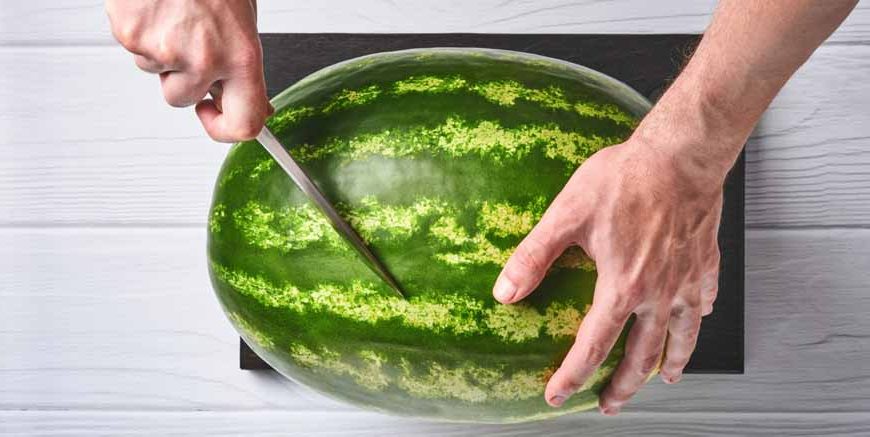
Summer brings a massive bounty of sweet fruits, and the giant green melon is always the star of the picnic table. Most kids immediately devour the bright red middle and toss the thick skin straight into the garden bin. But throwing away that tough outer shell is actually a waste of brilliant food. The white and green parts, which we call the rind, are packed with incredible goodness. Today, we will explore exactly why the entire fruit is a biological marvel and how eating the leftover skin makes you healthier.
The Hidden nutritional value of watermelon
Kids usually think this fruit is just a tasty drink of water trapped in a hard shell. While it is mostly liquid, the actual nutritional value of watermelon is incredibly impressive. The thick rind contains a heavy dose of rough fibre. Fibre is the crunchy stuff that acts like a tiny broom inside your stomach, keeping your digestion moving smoothly. When you chew on the tough white part near the skin, you give your body the complex carbohydrates it needs to build long-lasting energy, rather than just a quick sugar rush.
Read More – Children’s Guide to Types and Names of Green Fruits
Discovering the vitamins in watermelon
To know what makes this fruit a genuine superfood, you must look at the invisible chemicals hiding inside. The specific vitamins in watermelon act like tiny shields for a growing child. It is loaded with Vitamin C, which your body desperately needs to fight off winter colds and heal scraped knees after a rough playground fall. The rind also holds a secret stash of Vitamin B6. This specific vitamin is crucial for brain development, helping young minds process tricky information and stay focused during school lessons.
The Incredible health benefits of watermelon
Eating the whole fruit, including the crunchy white edges, protects your body in surprising ways. One of the biggest health benefits of watermelon is its ability to keep your heart pumping happily. The rind contains a special natural chemical called citrulline. When you chew the rind, your body turns this chemical into an amino acid that relaxes blood vessels. This means your blood travels much easier around your body, keeping your heart incredibly strong and preventing muscles from feeling tired after running around the garden.
Brilliant watermelon benefits for skin
You do not just have to eat it to see the magic happen. The watermelon benefits for skin are actually quite famous. Because the fruit is packed with heavy moisture and natural antioxidants, rubbing chilled leftover rind directly on your cheeks instantly calms angry sunburn after a beach day. The natural water and vitamins soak straight into your pores, helping repair damaged skin cells and keeping your face looking fresh, bright, and completely hydrated without expensive chemical creams.
Read More – Grapes Benefits for Kids
Understanding watermelon properties
Scientists love studying the unique watermelon properties because it behaves differently from an apple or banana. It belongs to the cucumber and pumpkin family, explaining why the outer skin is so thick and tough. It is naturally cooling, meaning it physically lowers your internal body temperature on a hot day. It is also highly diuretic, which is a scientific word meaning it helps flush bad chemicals straight out of your kidneys, keeping your internal plumbing completely clean.
Clever uses of watermelon and Its Rind
Instead of throwing the green shell away, transform it into something delicious. There are so many brilliant uses of watermelon that prevent unnecessary food waste.
Here is a fun list of ways to use the entire fruit:
- Pickling: Chop the hard white rind into tiny cubes and soak them in sour vinegar and spices, creating crunchy pickles for your sandwiches.
- Blending: Toss the white parts straight into your morning fruit smoothie for a massive punch of healthy fibre.
- Stir-frying: In many Asian countries, families slice the rind thinly and fry it in a hot pan with carrots and soy sauce for a crunchy dinner side dish.
- Candying: Boil the tough skin in sugar water until it turns soft, making a natural, chewy candy.
The Overall benefits of watermelon
When you put these facts together, the true benefits of watermelon become impossible to ignore. It is not just a messy, sticky summer treat. It is a complete nutritional package wrapped in a biodegradable bowl. Teaching children to eat the white rind instead of just the red middle shows them how to respect the food we grow. It proves that sometimes the healthiest parts of a plant are the exact pieces we usually throw in the rubbish bin without a second thought.
Read More – Benefits of Pineapple for Kids
Conclusion
It is deeply thought provoking to realise that we throw away massive amounts of perfect, healthy food every single day just because it does not look like the sweetest part of the plant. Learning to use the tough rind teaches young kids a vital lesson about sustainability and respecting natural resources. When children understand the hidden science inside their snack, they develop a profound, lifelong curiosity about the natural world and physical health. To discover more clever ways to spark your child’s interest in healthy living, read the latest articles on the EuroKids Blog and secure their vibrant educational journey today through EuroKids Preschool Admission.
FAQs
Can you eat the green outside skin of the fruit?
Yes, the entire green skin is completely safe to eat, though it is usually very tough. Most people prefer to peel the dark green part off and just eat the crunchy white rind underneath.
Does the white rind taste exactly like the red centre?
No, the white part is not sweet at all. It has a very mild, crisp flavour that tastes incredibly similar to a fresh cucumber.
Is it safe for young toddlers to eat the rind?
It is perfectly safe, but because it is very hard and crunchy, it is best to chop it into tiny, manageable pieces or blend it into a smooth drink to prevent them from choking.