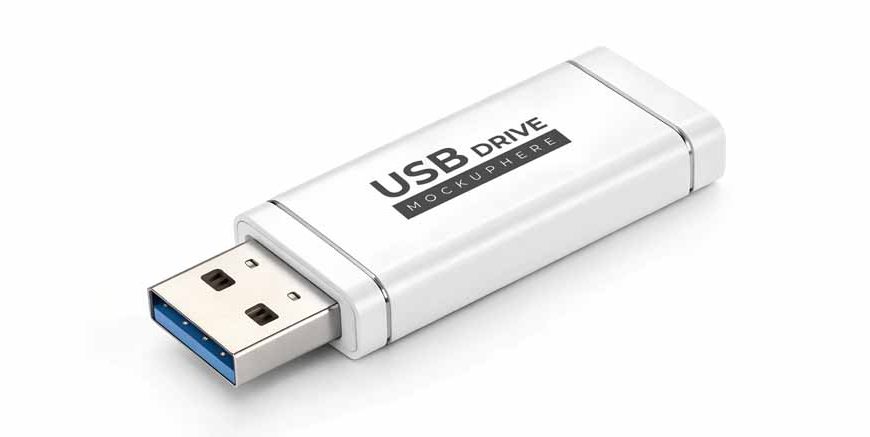
You plug in a charger, connect a keyboard, or transfer photos without giving it a second thought. USB has become such a normal part of daily life that you rarely stop to ask what it actually means or how it works. For children growing up in a digital world, this gap between usage and understanding matters more than ever. When learning stays limited to pressing buttons, curiosity fades. When understanding begins, confidence grows.
This is where a simple question becomes powerful. What does USB stand for?
When children understand the basics of everyday technology, they do not just use devices. They learn how systems work, how connections form, and why standards exist. This blog helps you understand the USB full form, its meaning, history, and relevance in a way that makes sense for children while still offering depth for parents and professionals.
USB Full Form Explained in Clear and Simple Words
The USB full form is Universal Serial Bus.
At first glance, the term may sound technical, but its meaning stays simple when you break it down.
The word “universal” means one system that works everywhere. “Serial” refers to data moving step by step in an organised way. “Bus” means a common path that carries information from one place to another. Together, USB becomes a universal pathway that allows devices to talk to each other.
When you explain this to a child, you can compare USB to a road that many vehicles use. Data travels through this road from one device to another safely and quickly. This clarity helps children stop memorising terms and start understanding concepts.
Read More – Mystery of Basic Computer Skills
What Is the Meaning of USB in Everyday Life
Understanding what is the meaning of USB goes beyond definitions. USB makes technology simple for you and your child. You do not need different cables for every device or complicated instructions to connect systems. USB creates order in a complex digital space.
When your child connects a mouse to a computer or charges a tablet, USB ensures the device works instantly. This immediate response helps children trust technology and feel confident using it. It also teaches an important lesson. Good systems reduce confusion and save time.
Parents who explain these ideas help children build patience, reasoning, and awareness instead of blind dependence on screens.
USB Full Form in Computer and Why It Matters
The USB full form in computer stays the same, but its role becomes clearer inside a system. Computers rely on USB ports to connect external devices like keyboards, printers, pen drives, and webcams.
Before USB existed, computers needed separate ports for every function. That complexity confused users and increased errors. USB changed this by offering a standard connection that worked across brands and devices.
When children learn this, they understand why rules and standards matter. They see how one smart idea can simplify many problems. This thinking supports problem-solving skills far beyond technology.
Read More – Introduce Computers to Children
What Is the Full Form of USB in Computer Systems
Many parents ask, what is the full form of USB in computer contexts. The answer remains Universal Serial Bus, but the significance lies in consistency.
Standardisation allows devices to communicate smoothly. A USB drive works on different computers because developers agreed on one system. This cooperation behind the scenes makes technology reliable.
Children who learn this concept early begin to appreciate teamwork, planning, and shared rules. These values extend into classroom learning, group activities, and later professional environments.
USB Full Form in Mobile and Modern Devices
The USB full form in mobile remains the same, but its application expands. Mobile phones, tablets, speakers, and power banks all rely on USB connections.
This continuity helps children understand that technology evolves but principles stay consistent. A cable that charges a phone follows the same logic as a cable that connects a printer to a computer.
Read More – Effects of Computers in Preschool Education
When children notice this pattern, learning becomes easier. They stop seeing each device as something completely new and start recognising familiar systems at work.
A Brief History of USB Technology
USB did not appear overnight. Early computers required many cables and ports. Users struggled with compatibility and confusion. In the mid-1990s, technology experts introduced USB to solve this problem.
USB aimed to simplify connections and improve ease of use. Over time, faster versions appeared, supporting data transfer, charging, and audio functions. This evolution reflects how thoughtful design responds to real user needs.
Teaching children this history shows them that innovation begins with identifying problems and finding simple solutions.
Types of USB Explained Without Confusion
You may notice different USB shapes, but the purpose remains the same. Some connectors support faster data transfer, while others focus on charging or compact design. Instead of overwhelming children with names, it helps to explain function. Some USBs move data quickly, others fit smaller devices, and some do both. This approach keeps learning practical and memorable. Parents who focus on understanding rather than terminology help children stay curious instead of intimidated.
How USB Supports Learning and Creativity
USB plays a quiet but important role in education. Keyboards, interactive boards, storage devices, and learning tools rely on USB connections. When children use these tools, USB enables seamless interaction. Files move easily. Devices respond instantly. Learning stays uninterrupted. Understanding what does USB stands for helps children respect tools instead of misusing them. It also builds responsibility and care for shared resources.
Read More – Kids with Computer Science Education
Why Children Should Learn About USB Early
Early exposure to basic technology concepts strengthens logical thinking. Children learn that devices follow rules and systems. This understanding builds confidence and reduces frustration. When children know why something works, they feel empowered. They ask better questions and approach problems calmly. These skills support academic growth and emotional maturity. Parents play a key role here by encouraging explanation over instruction.
Learning Technology Basics the Right Way at EuroKids
At EuroKids, early learning focuses on curiosity, clarity, and concept-building. Children explore ideas through observation and guided understanding rather than rote learning. EuroKids follows the Heureka Curriculum, which encourages experiential learning and helps children connect concepts to real-life experiences in a meaningful way. This approach ensures children grow confident, curious, and ready to understand the world around them.
Children who understand simple systems approach school with confidence. They follow instructions better, ask thoughtful questions, and adapt easily to digital classrooms. Parents notice improved focus and independence when children understand the tools they use. This readiness supports smoother transitions into formal education.
Conclusion
Understanding the USB full form may seem small, but it shapes how children view technology. It moves them from usage to understanding. From dependence to confidence. EuroKids supports this foundation through structured early learning that values curiosity and clarity. Parents looking to nurture thoughtful learners can explore EuroKids Preschool Admission and discover an environment designed to support strong beginnings. You can also explore the EuroKids Blog for more resources that simplify learning and support your child’s growth.
Frequently Asked Questions
What is the USB full form in simple words?
The USB full form is Universal Serial Bus. It allows devices to connect and share data easily.
What does USB stand for and why is it useful?
USB stands for Universal Serial Bus. It simplifies connections and reduces confusion.
Is USB full form in computer and mobile the same?
Yes, the meaning stays the same across computers and mobile devices.
Why should children learn about USB?
It builds logical thinking and digital awareness from an early age.
How does EuroKids support early tech learning?
EuroKids introduces concepts through guided exploration and experiential learning.