Nursery rhymes are an important part of early childhood learning. They introduce children to rhythm, rhyme, repetition, and simple storytelling while making language learning fun. One charming rhyme that has delighted generations of children is Two Little Dickie Birds. With its playful actions and memorable tune, it encourages children to sing, move, and participate actively.
For Indian parents and teachers, action rhymes like Two Little Dickie Birds are especially useful because they combine music with hand movements. Children not only enjoy singing but also develop fine motor skills, listening abilities, and vocabulary. Around the world, this rhyme remains a favourite in preschools for its simplicity and interactive nature.
In this article, we will explore the rhyme “Two Little Dickie Birds,” read the complete lyrics, understand its meaning, discover its educational benefits, and share engaging activities for young learners.
Two Little Dickie Birds Lyrics
The traditional lyrics of Two Little Dickie Birds are easy to learn and enjoyable to sing with actions.
Two little dickie birds Sitting on a wall. One named Peter, One named Paul. Fly away, Peter! Fly away, Paul! Come back, Peter! Come back, Paul!
These simple lyrics make the rhyme ideal for toddlers and preschoolers who are beginning to learn English.
What Is the “Two Little Dickie Birds” Rhyme About?
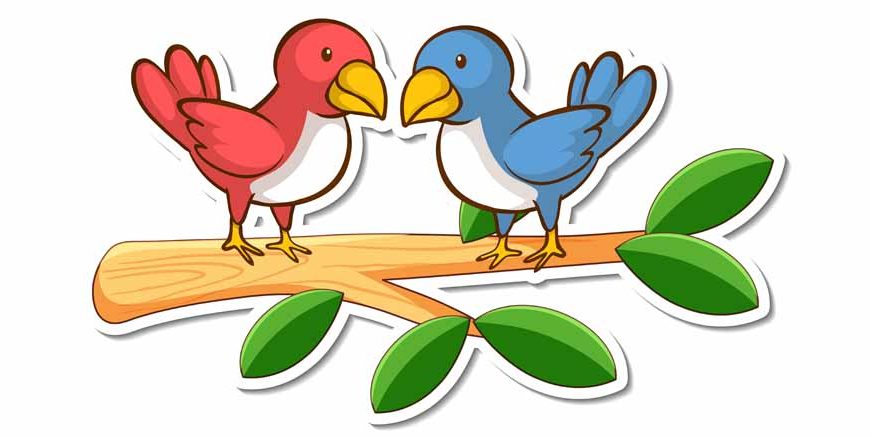
The rhyme tells the story of two small birds sitting together on a wall. Each bird has a name, Peter and Paul. During the song, the birds fly away one by one and then return.
Although the story is simple, it captures children’s attention because they can pretend that their fingers are the birds. This playful approach helps young learners connect words with actions.
The poem “Two Little Birds” is a wonderful example of how simple rhymes can create meaningful learning experiences.
Read More – Once I Saw A Little Bird Nursery Rhyme
Nursery Rhymes Two Little Dicky Birds
Among classic action songs, the nursery rhyme “Two Little Dicky Birds” remains popular because it encourages participation.
Unlike rhymes that children only listen to, this rhyme invites them to:
- Move their fingers
- Sing along
- Follow simple instructions
- Remember sequences
This interactive style makes the rhyme enjoyable both at home and in preschool classrooms.
Meaning of Two Little Dickie Birds
The rhyme celebrates friendship, movement, and imagination.
Children learn that:
- Birds can fly away and return.
- Friends can stay together.
- Simple actions can make songs more enjoyable.
- Listening carefully helps them follow instructions.
Parents can also use the rhyme to introduce conversations about birds, nature, and kindness towards animals.
Educational Benefits of Two Little Dickie Birds
Nursery rhymes support many areas of child development.
Improves Language Skills
Children learn new vocabulary through repetition.
Develops Listening Skills
Following instructions such as “fly away” and “come back” improves concentration.
Builds Memory
Repeated singing strengthens recall.
Encourages Fine Motor Skills
Finger movements improve hand coordination and control.
Supports Social Learning
Children enjoy singing together in groups.
These benefits explain why the nursery rhyme, such as ” “Two Little Dicky Birds” remains an important part of early childhood education.
Vocabulary Children Learn
The rhyme introduces useful English words.
|
Word |
Meaning |
|
Bird |
A feathered animal that can usually fly |
|
Wall |
A vertical structure made of bricks or other materials |
|
Fly |
To move through the air |
|
Come Back |
To return |
|
Named |
Given a particular name |
Parents can reinforce these words during daily conversations and story time.
Read More – Short Animal Poems for Kids
Finger Play Activity
One reason children enjoy Two Little Dickie Birds is the accompanying finger play.
How to Perform the Actions
- Raise both index fingers.
- Pretend each finger is a bird.
- Move one finger away when singing “Fly away, Peter!”
- Move the other finger away during “Fly away, Paul!”
- Bring each finger back during the final lines.
This activity improves coordination while making the rhyme memorable.
Understanding the Characters
The birds are named Peter and Paul.
Giving names to the birds helps children:
- Remember the sequence.
- Build storytelling skills.
- Understand that characters make stories more interesting.
Teachers can also encourage children to create their own bird names for a fun variation.
Creative Classroom Activities
Teachers can extend learning through engaging activities.
Bird Craft
Create colourful paper birds using craft paper and feathers.
Nature Walk
Observe birds in a nearby park or garden.
Counting Game
Count birds seen in pictures or outdoors.
Story Extension
Ask children where Peter and Paul flew and what they saw.
These activities encourage creativity and observation.
Learning About Birds
The rhyme offers an opportunity to introduce children to birds.
Parents and teachers can discuss:
- Birds have feathers.
- Birds build nests.
- Birds lay eggs.
- Many birds can fly.
- Birds help nature by spreading seeds.
These discussions connect nursery rhymes with science learning.
Why Action Rhymes Matter
Action rhymes help children learn through movement.
Strengthen Motor Skills
Finger movements develop muscle control.
Improve Coordination
Children learn to move in time with music.
Encourage Participation
Even shy children often join action songs.
Support Brain Development
Combining movement and music strengthens memory.
These benefits make action rhymes valuable learning tools.
Read More – Nursery Rhymes For Kids with Lyrics
Interesting Facts About Two Little Dickie Birds
Children enjoy learning fun facts.
Fact 1
The rhyme is one of the most popular finger-play nursery rhymes.
Fact 2
It helps children practise left- and right-hand movements.
Fact 3
Many teachers use it to introduce birds and nature.
Fact 4
The rhyme has been passed down through generations.
Fact 5
Children can easily invent new bird names and continue the song.
Questions to Ask Children
After singing the rhyme, ask questions such as:
- Where were the birds sitting?
- What were the birds’ names?
- What happened when they flew away?
- What happened when they came back?
- Can you make your own bird story?
These questions improve comprehension and imagination.
How EuroKids Builds Strong English Language Foundations
Learning English at a young age becomes natural when children engage with stories, songs, real-life objects, and interactive activities. Instead of rote memorisation, EuroKids focuses on developing language skills through meaningful experiences that make reading, writing, speaking, and listening enjoyable.
At EuroKids, foundational English concepts are taught through storytelling, picture books, phonics-based exercises, and interactive vocabulary games, all aligned with the HEUREKA – Visible Thinking Curriculum. This approach helps children connect words to ideas, build comprehension skills, and express themselves confidently.
Activities such as narrating short stories, describing objects, and participating in “Think-Pair-Share” or “See-Think-Wonder” routines reinforce language understanding. Children learn grammar, vocabulary, sentence formation, and pronunciation in ways that feel playful yet purposeful.
With a child-focused, activity-driven methodology refined over 20+ years and implemented across 1600+ preschools, EuroKids emphasises communication and confidence first. As children enjoy learning English, their fluency, reading comprehension, and writing skills develop naturally, laying the groundwork for strong lifelong language abilities.
Tips for Indian Parents
Parents can make the rhyme even more enjoyable.
Sing with Actions
Always use finger movements while singing.
Read Bird Storybooks
Connect the rhyme with books about birds.
Visit a Park
Observe real birds together.
Encourage Creativity
Ask children to invent new bird names or locations.
Repeat Often
Repetition helps children remember the lyrics and actions.
These activities strengthen learning while creating enjoyable family moments.
Quick Revision
Let’s review what we learned.
- Two Little Dickie Birds is a classic action rhyme.
- The poem “The Two Little Birds” teaches vocabulary through music and movement.
- Nursery rhymes Two Little Dicky Birds help children develop language, coordination, and listening skills.
- The rhyme encourages imagination and participation.
- Finger play makes learning enjoyable and memorable.
Conclusion
Two Little Dickie Birds remains one of the most loved nursery rhymes because it combines music, movement, and storytelling in a simple yet engaging way. Through playful actions, children improve their language skills, fine motor development, memory, and creativity while learning about birds and nature.
For Indian parents and children preparing for a global future, action rhymes like Two Little Dickie Birds provide an excellent foundation for communication, observation, and joyful learning. Singing together, using finger movements, and exploring nature afterwards transform a simple nursery rhyme into a rich educational experience that children will remember for years.
To explore more learning ideas, simple explanations, and early childhood resources, parents can visit the EuroKids Blog. Those who wish to understand the preschool journey better or explore enrollment options can find complete information on the Preschool Admission, where learning is joyful, engaging, and child-friendly.