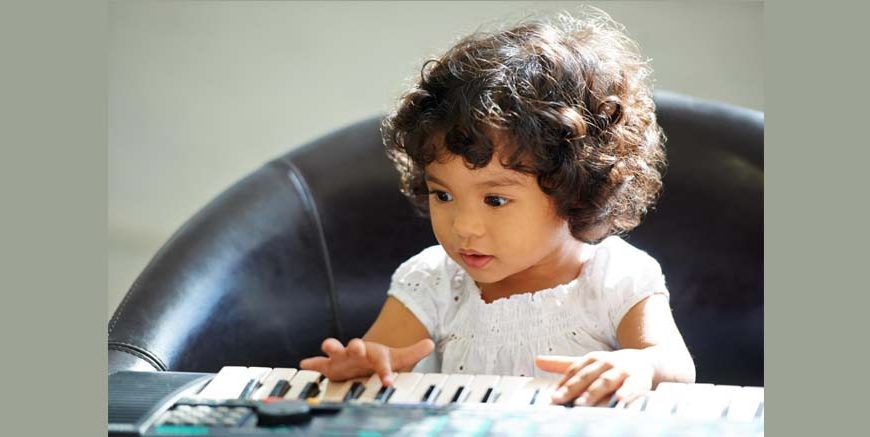
Listen closely to a toddler playing independently on the living room floor. You will likely hear a constant stream of raw, unfiltered noise. They crash two toy cars together and shout a loud explosion sound, or they hold up a plastic cow and proudly declare a long moo. Long before they ever pick up a pencil or recognise a single alphabet letter printed on a page, children are completely obsessed with the raw audio of life.
They naturally break their environment down into tiny, manageable noises. This natural, built-in fascination with sounds is the absolute perfect starting point for teaching them how to read. Moving a child from simply making silly animal noises to actually understanding phonetics requires a gentle, playful approach. Today, we are going to look closely at how to introduce these crucial audio building blocks, explore practical ways to make letters come alive, and discover how to transition from simply hearing a noise to actually writing it down on paper.
Understanding Exactly What Beginning Sounds Are
When we talk about beginning sounds, we are specifically focusing on that very first, sharp audio trigger of any spoken word. For instance, when a child points at a playful dog, the initial explosive ‘d’ noise is the target. We are not worrying about the rest of the word just yet. Isolating that first noise acts as a vital stepping stone in early literacy. It trains their ears to actually listen to the physical mechanics of human speech, rather than just absorbing the whole word as one giant, confusing block of sound.
Read More – Fun And Simple Preschool Activities For Learning At Home
Mastering the Beginning Sounds of Words Through Play
Before you ever hand a young child a piece of paper or a thick workbook, the entire learning process must be purely auditory. They need to hear the sounds repeatedly in a highly exaggerated, fun way without feeling any academic pressure.
To help them properly grasp the beginning sounds of words, you have to become incredibly silly. If you are holding a green apple in the kitchen, do not just say the word normally. Stretch that first letter out until it sounds completely ridiculous. Say, “Look at this a-a-a-apple.” Ask them to look directly at your mouth while you make the noise, so they can see exactly how your lips and tongue physically move. Play simple spying games while sitting in the back of the car. Challenge them to find something out the window that starts with a popping ‘p’ noise.
Transitioning to Write the Beginning Sound
Once a child can confidently hear and identify the first noise of a spoken word, they are finally ready to connect that invisible noise to a physical symbol on a page. This is a huge, magical leap in their developing brains.
When it is time to formally write the beginning sound, avoid using boring, lined notebook paper at first. Small toddlers do not have the fine motor skills to grip a thin pencil perfectly, which leads to frustration. Instead, make the writing process highly tactile and messy. Pour a thin layer of normal baking flour or fine play sand onto a flat metal baking tray.
Say a word out loud, like ‘snake’, and make the long hissing noise together. Then, hold their small index finger and help them trace the curved shape of the letter ‘s’ directly into the soft flour. This connects the audio noise directly to a physical, muscular movement. Once they master the flour tray, you can move on to using thick, colourful crayons on giant pieces of rough cardboard.
Read More – What is Activity-Based Learning?
Fun Daily Activities to Reinforce the Lesson
You do not need to buy expensive phonics kits to practise these skills. Your own house is already packed with brilliant, free teaching props.
Here is a practical list of simple, effective games you can play every single day:
- The sorting basket: Grab a plastic laundry basket and ask your child to run around the house finding three objects that start with a specific sound, like a ‘b’ sound (bringing back a book, a ball, and a block).
- Silly alliteration sentences: Make up ridiculous sentences over breakfast where every single word uses the exact same starting noise, such as “Big brown bears bake bread.”
- Fridge magnet matches: Stick colourful magnetic alphabet letters on your kitchen fridge. Hold up a piece of fruit and ask them to run and tap the exact magnet that matches the starting noise.
- Mystery grab bag: Place different household items in a dark pillowcase. Let them pull one item out blindly, shout what it is, and then loudly declare its starting letter.
Read More – Fun Phonics Sounds for Kids
Conclusion
It is genuinely thought provoking to realise that the entire foundation of human literature, from massive poetry books to complex scientific journals, all starts with a toddler simply learning to isolate a single, silly noise. We often rush to force young kids to read full sentences, completely forgetting that building a strong, unshakeable phonetic foundation is the absolute most important step.
When you take the time to sit on the floor, stretch out your vowels, and write messy letters in baking flour, you are doing much more than just playing a game. You are handing them the master keys to unlock the entire written world. A child who feels confident playing with sounds naturally grows into a fearless, enthusiastic reader. To discover more expert advice on nurturing early literacy and to explore our unique teaching methods, read the latest articles on the EuroKids Blog and secure their vibrant educational journey today via EuroKids Preschool Admission.
FAQs
Why shouldn’t I just teach them the alphabet song first?
The traditional alphabet song only teaches the rigid names of the letters, not the actual noises they make, which often severely confuses toddlers when they try to sound out real words later on.
What if my child completely mispronounces the starting letter?
Gently repeat the word back to them using the correct, exaggerated pronunciation without actively scolding them, allowing their ears to naturally adjust to the correct sound over time.
Should I focus on capital letters or lowercase letters first?
It is always best to focus entirely on lowercase letters first, as they make up the vast majority of the text your child will actually see in their early reading books and school materials.