The moment the school bell rings for the final time in July, a wonderful shift happens in family homes across the country. Heavy coats and thick woolly jumpers are happily pushed to the very back of the wardrobe, making way for bright colours, light fabrics, and bare legs. Getting ready for a sunny day at the park or the seaside is incredibly exciting for little ones.
It is also the perfect time to introduce them to fresh, seasonal vocabulary. When children learn to correctly identify their daily outfits, they build independence and massively improve their daily communication skills. Let us explore the colourful world of sunny-weather fashion and build a brilliant vocabulary list together to help your little ones dress for the heat.
What Do We Wear? Understanding Clothes in Summer
When the temperature finally rises, the way we dress changes completely. The clothes in summer are specifically designed to keep our bodies cool, protect our delicate skin from harsh sunlight, and allow for plenty of messy, energetic outdoor play.
Teaching your child the correct summer clothes name for each item they put on helps them dress themselves in the morning without frustration. Instead of just pointing and asking for “the blue thing,” they can confidently ask for their favourite cotton t-shirt. By connecting the physical object to the spoken word, their everyday routines become highly effective learning moments.
Read More – Clothes in Different Seasons
Kids Summer Clothes for Boys
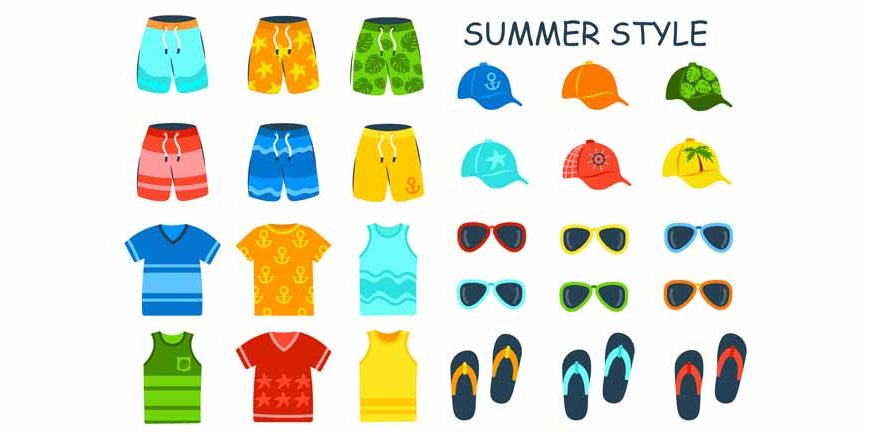
Getting boys ready for a warm day requires clothes that can withstand climbing trees, building sandcastles, and running through garden sprinklers. Here is a handy list of kids summer clothes to teach your little lad:
- T-Shirt: A classic, short-sleeved top with no collar. Usually made of soft, breathable cotton, it is the absolute staple of any sunny wardrobe.
- Shorts: Trousers that stop at or just above the knee. They let the breeze cool down busy little legs while they run around the playground.
- Swimming Trunks: Special, quick-drying shorts made specifically for splashing about in the paddling pool or jumping over waves in the sea.
- Baseball Cap: A brilliant fabric hat with a stiff peak at the front to keep the glaring sun directly out of their eyes during a lively football match.
- Sandals: Open shoes with sturdy straps holding them in place. They let tiny toes breathe and are much cooler to wear than heavy winter boots.
Essential Summer Season Clothes Name List for Girls
For the girls, sunny days mean light fabrics and easy-to-wear outfits that are absolutely perfect for skipping and jumping outdoors. Try to add every summer season clothes name from this list to her daily vocabulary:
- Summer Dress: A light, breezy, one-piece outfit that is incredibly easy to slip on over the head. It often features bright floral patterns or cheerful stripes.
- Skirt: A piece of clothing that hangs nicely from the waist, leaving the legs bare. It pairs perfectly with a simple cotton vest or top.
- Swimsuit: A stretchy, waterproof outfit worn exclusively for swimming. It can be a simple one-piece or a two-piece (often called a tankini).
- Sun Hat: A wide-brimmed fabric hat that cleverly protects the face, ears, and the sensitive back of the neck from getting sunburnt during afternoon picnics.
- Flip-flops: Simple, flat sandals held on by a Y-shaped strap that passes directly between the first two toes. They are the ultimate footwear for sandy beaches!
Read More – How to Choose Your Clothes
Gender-Neutral Summer Clothes
Some of the most important summer clothes are worn by absolutely everyone, regardless of gender. These are the daily essentials that every child needs to know:
- Sunglasses: Dark glasses that protect sensitive young eyes from bright UV rays. Kids absolutely love wearing them because they make them feel very grown-up!
- Cotton Pyjamas: When the nights are hot and sticky, short-sleeved pyjamas made from thin cotton help children sleep soundly without overheating.
- Trainers: Even in the height of summer, safe, closed-toe shoes are needed for climbing at the local playground. Lightweight, breathable trainers are perfect for the job.
Summary
Teaching young children the names of their seasonal outfits goes far beyond just building a simple spelling list. When a child can confidently name their own clothes, they are taking their very first, crucial steps toward personal independence. They learn how to look out the window, check the weather, make sensible choices about what to wear, and express their own unique personality.
The simple act of choosing a yellow sun hat over a blue cap is a tiny but vital exercise in decision-making. So, tomorrow morning, lay out a few colourful items on the bed and ask your little one to name them. You are not just teaching them vocabulary; you are giving them the tools to navigate their world with absolute confidence.
For more joyful parenting advice and brilliant early learning strategies, take a wander through the EuroKids Blog, and discover how to begin your child’s educational adventure via EuroKids Preschool Admission.
FAQs
At what age should my child know these clothing words?
Most children begin identifying basic clothing items like hats and shoes by the age of two. By four years old, they can usually name the vast majority of their seasonal wardrobe accurately.
How can I make learning these words fun at home?
Turn getting dressed into a lively game! Ask them to find “something with short sleeves” or “shoes that show your toes.” You can also play matching games when folding the clean laundry together.
Why is cotton considered the best material for hot weather?
Cotton is a highly breathable, natural fibre. It easily allows fresh air to circulate against the skin and actively absorbs sweat, which keeps busy children cool and comfortable during the hottest months.