Children, irrespective of their age, are naturally curious. They always have questions like, “Where does our food come from?” “Who grows these vegetables?” or “Why do we need farmers?” This curiosity is the perfect opportunity to teach your little ones about one of the most important professions in the world—farming.
Understanding farming helps children appreciate where their food comes from and teaches them to respect the hard work farmers do every day. Before diving into conversations about farming with your little one, it’s important to familiarise yourself with some basic terms and concepts that make these discussions easier and more meaningful.
In this blog, we will explore important farming terms and concepts that you can introduce to your little ones in simple, age-appropriate ways. Let’s begin with the basics.
What is Farming?
Farming is the process of growing plants and raising animals to produce food and useful products for people. This means everything from the rice on your plate to the milk in your glass comes from farming.
Who is a Farmer?
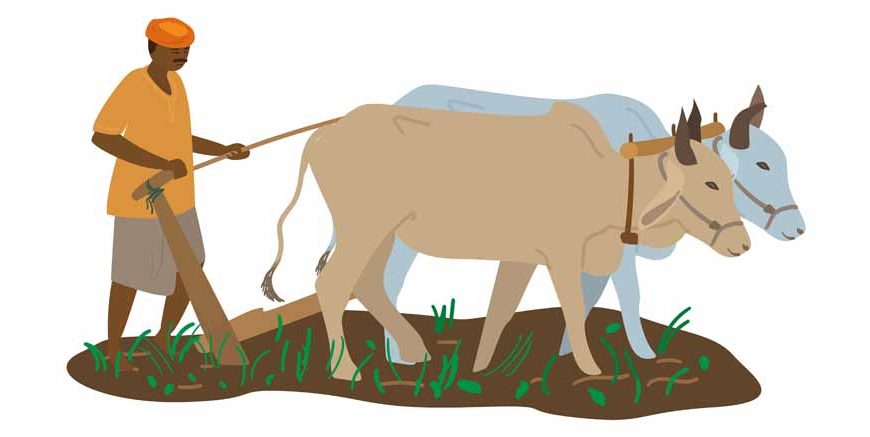
A farmer is a person who owns or works on a farm and helps produce food for people. In simple words, a farmer is someone who grows crops and takes care of animals so we can eat every day. Additionally, farmers can:
- Plant seeds
- Water crops
- Harvest fruits and vegetables
- Take care of animals
- Use machines and tools to grow food faster
Read More – What does farmer do
Why are Farmers Important?
This is one of the most important ideas to teach children. Here are some reasons why farmers are important:
- Farmers grow our food: Without farmers, we wouldn’t have fruits, vegetables, rice, wheat, and grains. In simple words, farmers help feed millions of people every day.
- Farmers help the economy: Farming supports jobs and businesses. Many industries, such as the textile, sugar, tea and coffee industries.
- Farmers protect nature: Many farmers use sustainable methods to protect soil, save water, reduce pollution, and grow healthy food.
- Farmers support rural communities: Many families depend on agriculture for their livelihood.
Important Farming Terms Kids Should Know
Now that we have covered the basics, it’s time to review the key terms and concepts in farming.
1. Crops
Crops are plants grown by farmers for food. Some common examples of crops are:
- Rice
- Wheat
- Corn
- Fruits
- Vegetables
2. Livestock
Livestock means farm animals raised for food and useful products. Some examples of livestock are:
- Cows for milk
- Chickens for eggs
- Goats for milk and meat
3. Harvest
Harvest is when farmers collect the crops after they are fully grown. So, when fruits or vegetables are ready, farmers pick them. This is called harvesting.
4. Irrigation
Irrigation means giving water to plants so they can grow. Farmers use these sources of irrigation to water their produce:
- Canals
- Sprinklers
- Drip systems
5. Pesticides
Pesticides are chemicals used to protect crops from insects and pests. Explain carefully to kids that sometimes insects try to eat crops. Farmers use pesticides to protect plants.
6. Organic Farming
Organic farming uses natural methods to grow crops without harmful chemicals.
7. Sustainable Farming
Sustainable farming means farming in a way that protects nature and future generations.
Read More – Benefits of Farm
Types of Farming
Children love learning categories. Here are simple farming types to explain.
- Arable Farming
- Growing crops like wheat and rice.
- Livestock Farming
- Raising animals for milk, eggs and meat.
- Mixed Farming
- Growing crops and raising animals together.
- Gardening
- Small-scale farming done at home or in backyards.
Food That Comes From Farming
Foods from farming include:
- Fruits and vegetables
- Grains (rice, wheat)
- Dairy products (milk, cheese)
- Eggs
What Children Can Learn From Farming
Teaching children about farming is not just about food. It helps shape their personality, habits, and values in a meaningful way. When children understand how food is grown and how much effort it takes, they begin to see the world differently. Here are some things children will learn from farming:
Responsibility and Care
When children learn that plants need water, sunlight, and time to grow, they start understanding responsibility. Even simple activities like watering a plant or planting seeds help children realise that living things need regular care and attention. This builds a sense of duty and nurturing behaviour from an early age.
Patience and Delayed Gratification
In today’s fast-paced world, children are used to instant results. Farming teaches the opposite. Seeds do not grow overnight, and crops take weeks or months to be ready. This helps children learn patience and understand that good things take time and effort.
Respect for Food and Reduced Wastage
Many children see food appear magically on the dining table. When they learn the journey of food, from seed to plate, they begin to appreciate its value. This understanding often reduces food wastage and encourages mindful eating habits.
Teamwork and Cooperation
Farming is rarely a one-person job. Farmers often work together with families, workers, and communities. Teaching children this helps them understand the importance of cooperation, sharing responsibilities, and working towards a common goal.
Connection With Nature
Farming naturally introduces children to seasons, weather, soil, plants, and animals. This builds environmental awareness and helps children develop a love and respect for nature. They begin to understand how humans and nature depend on each other.
Gratitude and Empathy
When children learn about the hard work farmers do, they develop gratitude for the food they eat and empathy for the people who grow it. This emotional connection is an important life lesson that stays with them as they grow.
Read More – Farm Related Activities For Kids
Benefits of Teaching Children About Farmers and Farming
Understanding farming gives children knowledge that goes beyond textbooks. It connects everyday life with real-world learning and builds strong foundational values.
Builds Awareness of Where Food Comes From
Many children think food comes from supermarkets. Teaching farming helps them understand the complete journey, from soil to store to plate. This awareness makes food more meaningful and relatable.
Encourages Healthy Eating Habits
When children learn about fruits, vegetables, grains, and dairy products, they become more curious and open to trying new foods. Knowing how food is grown makes them more interested in eating fresh and nutritious meals.
Develops Environmental Awareness
Farming introduces concepts like soil health, water conservation, and protecting nature. Children learn that taking care of the Earth is important for growing food and for future generations.
Supports Real-World Learning
Farming combines science, geography, environment, and social studies. Through farming concepts, children learn about:
- Seasons and weather
- Soil and water cycles
- Animals and ecosystems
- Communities and jobs
Inspires Respect for Hard Work
Children begin to understand that farming requires long hours, physical effort, and dedication. This helps them appreciate the value of hard work and perseverance.
Conclusion
Teaching children about farmers is more than just sharing information. It helps them appreciate food, nature, and the people who work hard every day to feed the world.
When children learn farming terms and concepts early, they respect farmers; moreover, they value food and develop gratitude and love for nature. The next time your child asks, “Where does our food come from?”, you will be ready with the perfect explanation.
You can also check out EuroKids Blogs for more insightful and fun articles on your baby’s growth, health, and learning. Don’t forget to check out EuroKids Preschool Admission for the perfect foundation to kickstart your little one’s learning journey.