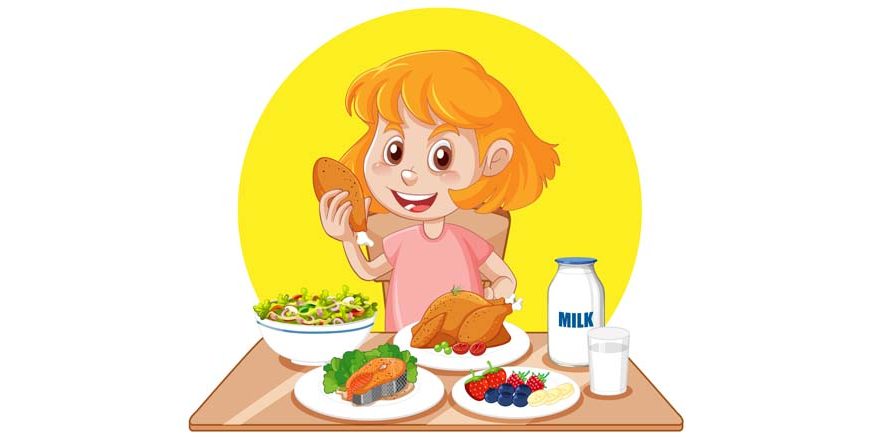
Healthy eating habits formed during early childhood play a vital role in a child’s overall growth and development. The preschool years (ages 3–5) are the best time to introduce children to nutritious foods, regular meal routines, and positive attitudes toward eating. In India, where food culture is rich and diverse, parents have a wonderful opportunity to raise children who enjoy balanced, wholesome meals.
Here we will explain in detail the importance of good eating habits for preschoolers; we will also introduce some simple food concepts, such as the food pyramid picture, as well as share fun, practical activities to encourage healthy eating at home and at school.
Why Are Good Eating Habits Important for Preschoolers?
Preschoolers grow rapidly, both physically and mentally. Their bodies and brains need the right balance of nutrients to stay active, focused, and healthy.
Key Benefits of Healthy Eating Habits
- Supports physical growth and strong immunity
- Improves concentration and learning abilities
- Prevents frequent illnesses
- Reduces the risk of obesity and lifestyle diseases later
- Builds lifelong healthy food habits
Pictures showing children eating balanced meals often reflect happy, energetic kids, and this is certainly something every parent wants for their child.
Read More – Best Healthy Foods for Kids
Understanding Nutrition for Preschoolers
Before teaching children about healthy food, parents should understand the basics of nutrition in simple terms.
What Preschoolers Need Daily
Preschool children need:
- Energy-giving foods (carbohydrates and fats)
- Body-building foods (proteins)
- Protective foods (vitamins and minerals)
Using visual aids, like an energy-giving food pictures chart helps children easily recognise different food groups.
Here is a pinterest board with some ideas for parents and teachers.
Food Pyramid Explained for Preschoolers
A food pyramid picture is one of the best tools for explaining balanced nutrition to young children in a fun, visual way.
Indian Food Pyramid for Kids
- Base Layer – Energy Foods
- Rice, chapati, roti
- Potatoes, bread, cereals
- Second Layer – Fruits and Vegetables
- Banana, apple, mango
- Spinach, carrot, tomato
- Third Layer – Proteins
- Dal, pulses, paneer
- Milk, curd, eggs
- Top Layer – Fats and Sugars (Eat Less)
- Ghee, butter
- Sweets, chocolates
Showing a colourful food pyramid picture helps preschoolers understand which foods to eat more of and which to eat occasionally.
Here is a resource from Twinkl that you can use.
Energy-Giving Foods for Preschoolers
Preschoolers are always on the move. Running, jumping, and playing require energy, which comes mainly from carbohydrates and fats.
Examples of Energy-Giving Foods
- Rice and chapati
- Idli and dosa
- Banana and sweet potato
- Milk and nuts (in small quantities)
Teachers and parents often use an energy-giving food pictures chart in classrooms to help kids visually identify these foods.
Importance of Eating at the Right Time
Good eating habits are not just about what children eat, but also when they eat.
Benefits of Regular Meal Timings
- Improves digestion
- Prevents overeating
- Builds discipline
- Reduces tantrums
A daily routine that includes breakfast, lunch, an evening snack, and dinner helps preschoolers feel secure and healthy.
Read More – Best Healthy Nutrition Tips for Kids
Role of Parents in Developing Healthy Eating Habits
Children learn by observing adults. When parents practise healthy eating, children naturally follow.
How Parents Can Help
- Eat meals together as a family
- Avoid forcing children to eat
- Introduce new foods slowly
- Praise children for trying healthy food
Positive eating visuals at home, such as posters of fruits or happy kids eating vegetables, also create interest.
Fun Activities to Teach Good Eating Habits
Learning about food should be enjoyable for preschoolers. Here are some engaging activities parents and teachers can try.
Activity 1: Food Sorting Game
How to Play
- Show pictures of different foods
- Ask children to sort them into “healthy” and “sometimes” foods
This activity helps children visually learn food choices and works well with food pyramid picture charts.
Activity 2: My Healthy Plate Drawing
Give children a plate outline and ask them to draw:
- One fruit
- One vegetable
- One grain
- One protein
This improves creativity and reinforces nutrition concepts.
Activity 3: Role Play – Restaurant Game
Children pretend to be chefs or customers and prepare healthy meals using toy foods or drawings.
This activity encourages:
- Food recognition
- Social skills
- Interest in healthy eating
Activity 4: Food Colour Day
Choose a colour each day:
- Red Day – apple, tomato
- Yellow Day – banana, corn
- Green Day – spinach, peas
Children enjoy dressing up and eating foods of the same colour.
Encouraging Children to Eat Fruits and Vegetables
Many preschoolers are picky eaters, especially with vegetables.
Tips to Encourage Healthy Choices
- Cut fruits into fun shapes
- Mix vegetables into parathas or dosa batter
- Serve colourful meals
- Eat vegetables together
Seeing other children eating fruits and vegetables motivates preschoolers to try them too.
Read More – Facts and Myths About Healthy Food for Kids
Importance of Drinking Enough Water
Water is often overlooked but is essential for digestion and overall health.
How to Encourage Water Intake
- Use colourful bottles
- Set water reminders
- Offer coconut water or homemade lemon water
Avoid sugary drinks as daily options.
Limiting Junk Food and Sugary Snacks
Indian children today are exposed to chips, chocolates, and sugary drinks at a very young age.
Why Junk Food Should Be Limited
- Low nutritional value
- Causes tooth decay
- Leads to poor appetite
- Affects growth
Occasional treats are fine, but healthy snacks should be the daily choice.
Healthy Snack Ideas for Preschoolers
Some nutritious Indian snack options include:
- Fruit chaat
- Roasted chana
- Vegetable poha
- Sprouts salad
- Homemade laddoos (jaggery-based)
These snacks support energy needs and reduce dependence on packaged food.
Importance of Eating Together as a Family
Family meals are one of the best ways to build good eating habits.
Benefits of Family Meals
- Children try new foods
- Better communication
- Reduced screen time
- Emotional bonding
Family mealtime photos often become cherished memories.
How EuroKids Builds Strong EVS Foundations
When Environmental Studies (EVS) is introduced through observation, storytelling, nature walks, and hands-on exploration, young learners begin to understand their surroundings in a meaningful and lasting way. Instead of memorising facts about plants, animals, or seasons, children learn by experiencing and questioning the world around them. This is why structured early education programs focus on experiential and inquiry-based learning rather than rote memorisation.
At EuroKids, foundational EVS concepts are nurtured through the HEUREKA – Visible Thinking Curriculum. This approach encourages children to explore themes such as “My Family,” “My Community,” “Plants and Animals,” “Seasons and Weather,” and “Good Habits” through interactive discussions, thematic projects, role play, outdoor exploration, and guided observation.
The Visible Thinking framework helps children observe carefully, think deeply, and express their ideas confidently. Through activities like nature-based learning, environmental awareness projects, sensory exploration, and group conversations, children develop curiosity about how things grow, how communities function, and how they can care for the environment.
With a child-centric and play-based methodology refined over 20+ years and implemented across 1600+ preschools, EuroKids focuses on building awareness, responsibility, and curiosity first, allowing knowledge, empathy, and critical thinking skills to develop naturally over time.
Teaching Table Manners Along With Eating Habits
Good eating habits also include behaviour at the dining table.
Preschoolers should be gently taught to:
- Wash their hands before eating
- Sit properly
- Chew food slowly
- Avoid wasting food
These habits reflect strong cultural values in Indian families.
Building Healthy Habits for a Healthy Future
Good eating habits developed during preschool years lay the foundation for a lifetime of good health. By using tools like a food pyramid picture, an energy-giving food chart, and fun activities, parents and teachers can make nutrition learning enjoyable.
When children see happy children eating healthy meals and positive eating pics around them, they naturally develop an interest in good food choices.
With patience, consistency, and love, Indian families can raise healthy, happy preschoolers who enjoy nutritious food and grow into strong individuals.
To explore more learning ideas, simple explanations, and early childhood resources, parents
can visit the EuroKids Blog. Those who wish to understand the preschool journey better or
explore enrolment options can find complete information on the EuroKids Preschool Admission
Page, where learning is designed to be joyful, engaging, and child-friendly.