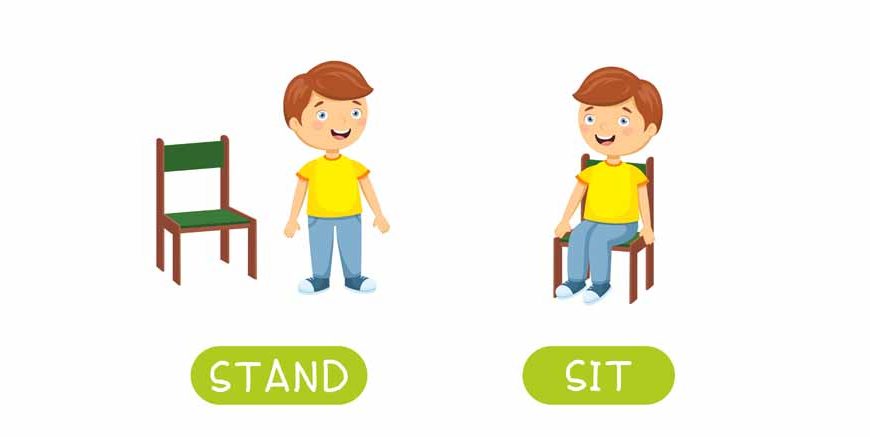
Words help us share our feelings, describe our toys, and tell clear stories. To tell a great story, you need to know how to describe things that are completely different from each other. If you want to talk about a freezing winter morning, you cannot use the same words you would use for a hot summer day. You need words that sit on completely different sides of the dictionary.
Practicing opposite words in English for class 3 is one of the fastest ways for young learners to expand their vocabulary. Instead of just learning one new word, you get to learn two at the exact same time! Knowing a solid list of opposite words in English for class 3 helps students write much better sentences and makes speaking with friends and teachers a lot clearer.
Let us build a massive vocabulary toolkit together. Below is a collection of 100+ antonyms:
100+ Opposite Words in English for Class 3
- Above / Below: Higher up / Lower down.
- Absent / Present: Not in the room / Right here in the room.
- Accept / Refuse: To say yes to something / To say no.
- Add / Subtract: To put things together / To take things away.
- Admit / Deny: To tell the truth about what you did / To say you did not do it.
- Adult / Child: A grown-up person / A young kid.
- After / Before: Later in time / Earlier in time.
- Against / For: Disagreeing with / Agreeing with.
- Alike / Different: Looking the same / Not looking the same.
- Alive / Dead: Living and breathing / No longer living.
- All / None: Every single piece / Nothing at all.
- Always / Never: Happening every single time / Not happening even once.
- Ancient / Modern: Very old / Very new.
- Answer / Question: What you reply / What you ask.
- Apart / Together: Away from each other / Sitting right next to each other.
- Arrive / Depart: To reach a place / To leave a place.
- Asleep / Awake: Resting with closed eyes / Not sleeping.
- Attack / Defend: To start a fight / To protect yourself.
- Bad / Good: Not nice / Very nice and proper.
- Beautiful / Ugly: Pretty to look at / Not pretty to look at.
- Begin / End: To start / To finish.
- Behind / In front: At the back / Facing forward.
- Best / Worst: The absolute greatest / The lowest quality.
- Better / Worse: Improving / Failing.
- Big / Small: Large in size / Tiny in size.
- Bitter / Sweet: A sharp taste / A sugary taste.
- Black / White: The darkest color / The lightest color.
- Blame / Praise: To say someone did wrong / To cheer someone for doing well.
- Bold / Timid: Very brave / Very shy.
- Borrow / Lend: To take for a short time / To give for a short time.
- Bottom / Top: The lowest part / The highest part.
- Boy / Girl: A male child / A female child.
- Brave / Scared: Showing zero fear / Feeling afraid.
- Break / Fix: To smash into pieces / To repair.
- Broad / Narrow: Very wide / Very thin.
- Build / Destroy: To create something / To knock something down.
- Busy / Lazy: Doing lots of work / Doing no work.
- Buy / Sell: To get with money / To give away for earning money.
- Calm / Stormy: Quiet and peaceful / Rough and windy.
- Careful / Careless: Paying close attention / Not paying attention.
- Catch / Throw: To grab in the air / To toss away.
- Ceiling / Floor: The roof inside a room / The ground inside a room.
- Certain / Unsure: Completely positive / Not knowing for sure.
- Cheap / Expensive: Costs very little / Costs a lot.
- Cheerful / Gloomy: Very happy / Feeling down.
- Clean / Dirty: Spotless and fresh / Covered in mud.
- Clear / Cloudy: Easy to see through / Blocked by fog.
- Clever / Foolish: Very smart / Not thinking clearly.
- Close / Open: To shut / To unblock.
- Cold / Hot: Freezing / Burning.
- Come / Go: To move closer / To move away.
- Comedy / Tragedy: A funny story / A very sad story.
- Comfort / Discomfort: Feeling cozy / Feeling pain.
- Common / Rare: Seen everywhere / Hard to find.
- Cruel / Kind: Being mean / Being sweet and helpful.
- Cry / Laugh: Shedding tears / Giggling with joy.
- Danger / Safety: A place where you can get hurt / A protected place.
- Dark / Light: Having no light / Shining brightly.
- Day / Night: When the sun is out / When the moon is out.
- Deep / Shallow: Going far down / Close to the surface.
- Defeat / Victory: To lose / To win.
- Difficult / Easy: Hard to do / Simple to do.
- Dry / Wet: Having no water / Soaked in liquid.
- Dull / Bright: Boring and plain / Shining and smart.
- Early / Late: Before the correct time / After the correct time.
- East / West: Where the sun rises / Where the sun sets.
- Empty / Full: Having nothing inside / Packed to the top.
- Enemy / Friend: Someone who dislikes you / Someone who cares for you.
- Enjoy / Hate: To have fun doing / To strongly dislike.
- Enter / Exit: To go inside / To go outside.
- Even / Odd: Numbers ending in 0,2,4,6,8 / Numbers ending in 1,3,5,7,9.
- Fail / Pass: Not succeeding / Doing great on a test.
- False / True: A complete lie / A proven fact.
- Far / Near: A long distance away / Very close by.
- Fast / Slow: Moving quickly / Taking a long time to move.
- Fat / Thin: Having a larger body / Having a skinny body.
- Find / Lose: To discover something / To misplace something.
- First / Last: At the front of the line / At the back of the line.
- Float / Sink: Staying on top of the water / Falling to the bottom.
- Forget / Remember: To not know anymore / To keep in your mind.
- Forward / Backward: Moving to the front / Moving to the rear.
- Free / Bound: Able to do what you want / Tied up.
- Freeze / Melt: Turning into hard ice / Turning into soft liquid.
- Fresh / Stale: Newly made / Old and not tasty anymore.
- Front / Back: The side you see first / The hidden side.
- Gain / Lose: To get more / To have less.
- Gather / Scatter: To bring together / To throw all over the place.
- Gentle / Rough: Soft and calm / Hard and bumpy.
- Giant / Tiny: Extremely big / Extremely small.
- Give / Take: To hand over / To grab for yourself.
- Glad / Upset: Feeling happy / Feeling angry or sad.
- Go / Stop: To move / To stay in one place.
- Great / Terrible: Really amazing / Really bad.
- Grow / Shrink: To get bigger / To get smaller.
- Guilty / Innocent: Did something wrong / Did nothing wrong.
- Hard / Soft: Very firm / Easy to squish.
- Harmful / Harmless: Can hurt you / Cannot hurt you at all.
- Harsh / Mild: Very rough and mean / Very gentle.
- Hate / Love: To dislike a lot / To care for deeply.
- Healthy / Sick: Feeling strong and well / Feeling unwell.
- Heavy / Light: Hard to lift / Easy to carry.
- Here / There: In this exact place / In that place over there.
- High / Low: Way up in the air / Close to the ground.
- Honest / Dishonest: Tells the truth / Tells lies.
- Hunger / Thirst: Needing food / Needing water.
- Ignore / Notice: To pretend not to see / To look closely.
- Import / Export: To bring into a country / To send out of a country.
- Include / Exclude: To invite someone in / To leave someone out.
- Joy / Sorrow: Great happiness / Deep sadness.
- Junior / Senior: A younger person / An older person.
Read More – Guide to Teaching English Grammar for Kids
Conclusion
To sum up this vocabulary lesson, knowing the exact opposites of words gives children the power to describe their world perfectly. When they learn that the opposite of a noisy playground is a quiet library, their sentences become much richer and more interesting to read.
Seeing how words balance each other leaves us with a simple, thought-provoking idea. Life is full of opposites, day and night, hard work and restful sleep, fast running and slow walking. We need both sides of these words to appreciate everything around us properly. Learning them is the first step to becoming a truly great speaker and writer.
To read more fun and educational articles, check out the EuroKids Blog, and visit our website for details on EuroKids Preschool Admission.
FAQs
What exactly is an antonym?
An antonym is simply a word that means the exact opposite of another word, like hot and cold or up and down.
How can I help my child memorize these pairs?
Make it a fun daily game. Toss a soft ball to your child and say a word like “Happy,” and have them catch the ball and shout the opposite word “Sad.”
Why is learning 100 opposite words in English for class 3 important?
At this age, children are starting to write their own short stories. Having a large vocabulary of describing words helps them express their ideas much more clearly without repeating themselves.