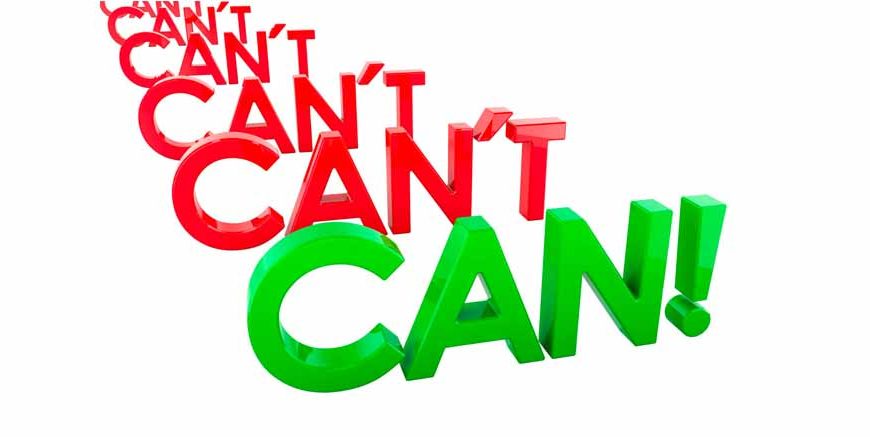
When young children first start stringing words together, they are eager to tell you exactly what they are able to do. They will proudly shout that they are able to jump, run, or sing. To express these exciting abilities, they rely on a very special group of words called modal verbs. Today, we are looking closely at two of the most popular and powerful words in a child’s vocabulary: ‘can’ and ‘can’t’.
Teaching these specific words gives your child the tools to talk about their skills, ask for permission, and understand basic rules. We are going to break down how to teach these grammar concepts playfully, look at the rules, and provide plenty of examples to make learning completely natural.
What Are Modal Verbs?
In simple terms, a modal verb is a helper word. It sits right next to the main action word in a sentence to change its meaning slightly. The word ‘can’ tells us that someone has the ability to do an action, or that they are allowed to do it. The word ‘can’t’ is just a shorter way of saying cannot, and it means the exact opposite.
One of the best things about these helper words is that they follow a very strict, easy rule. They never change their spelling. If we give example sentences, you will notice that we never add an ‘s’ to the end of the word. We say “I can swim” and “He can swim.” The word stays exactly the same, making it incredibly easy for young learners to remember.
By using simple can and can t sentences at home, you help your child understand limits and possibilities. You might say, “You can play with your blocks, but you can’t throw them.” This instantly teaches them both permission and rules in one clear breath.
The Difference: Use of Can and Could with Examples
As your child’s grammar improves, they will eventually encounter the word ‘could’. Parents often wonder how to explain the difference between these two related words. The secret lies in understanding time and politeness.
We use ‘can’ to talk about things we are able to do right now, in the present moment. We use ‘could’ to talk about things we were able to do in the past. We also use ‘could’ when we want to sound extra polite.
Here is the use of can and could with examples to make the difference crystal clear:
Present Ability: I can ride my red bicycle today.
Past Ability: I could only ride a tricycle when I was three years old.
Casual Request: Can I have some water?
Polite Request: Could you please pass me the glass of water?
Teaching your child to swap ‘can’ for ‘could’ when asking for something is a brilliant way to help them practice good manners while learning grammar.
Read More – Modals – ‘Could’ and ‘Couldn’t’
Asking For Things: Can Questions
Turning a normal sentence into a question is like a fun magic trick for kids. To form can questions, you just take the helper word and move it to the very front of the sentence.
Instead of saying, “You can hop,” you swap the words and ask, “Can you hop?”
Asking these questions builds immense curiosity. During dinner or a car ride, test your child’s knowledge of the world. Ask them, “Can a heavy elephant fly?” or “Can a tiny fish breathe underwater?” They will love shouting out the correct answers and correcting your silly questions.
50 Sentences of Can
To truly master a word, a child needs to hear it in many different contexts. If you are looking to build a massive foundation of vocabulary, here are 50 sentences of “can” that cover daily habits, animal facts, and basic permissions. You can use these to practice reading together.
- I can jump very high on the grass.
- She can read a big picture book.
- He can run fast in his new shoes.
- We can sing a happy song together.
- They can play football in the park.
- A little bird can fly in the blue sky.
- A silver fish can swim in the deep water.
- A brown monkey can climb a tall tree.
- You can help me wash the dirty car.
- I can write my own first name.
- She can draw a beautiful picture of a house.
- He can ride a blue bicycle down the street.
- We can bake a chocolate cake for the party.
- They can build a tall tower with wooden blocks.
- A green frog can hop on the wet grass.
- A spotted cheetah can run very fast.
- You can open the bedroom window now.
- I can see the bright sun in the morning.
- She can hear the loud music playing.
- He can smell the fresh flowers in the garden.
- We can taste the sweet red apple.
- They can touch the soft woollen blanket.
- A happy dog can catch a bouncy ball.
- A lazy cat can sleep all day in the sun.
- You can sit on this comfortable chair.
- I can count all the way to ten.
- She can spell her favourite colour.
- He can speak two different languages.
- We can walk slowly to the local park.
- They can dance wildly to the music.
- A kangaroo can jump far across the sand.
- A clever parrot can talk to us.
- You can wear your warm new coat outside.
- I can hold your hand while we cross the street.
- She can tie her own shoelaces tightly.
- He can button his winter shirt by himself.
- We can brush our teeth before bedtime.
- They can wash their hands with soap.
- A large bear can catch a fresh fish.
- A tiny spider can spin a sticky web.
- You can drink your cold milk now.
- I can eat all my healthy vegetables.
- She can share her favourite toys with friends.
- He can wait patiently for his turn on the slide.
- We can clean the messy room together.
- They can finish their school homework.
- A smart dolphin can jump out of the water.
- A strong horse can carry a rider.
- You can go out to play in the garden now.
- I can be a kind and helpful friend.
Read More – Modal Verbs For Kids
Active Learning: Modals Games and Modals Activity
Grammar should never feel like a chore. The absolute best way for young learners to absorb these rules is through movement and play.
To set up a highly engaging modals activity at home, play a game of “Simon Can”. It is just like Simon Says, but it tests their understanding of ability. You stand in front of them and say, “Simon says, I can hop on one foot.” If it is an action they are physically able to do, they must copy you. If you say, “Simon says, I can touch the ceiling,” they must stand completely still and shout, “I can’t!”
Another fantastic option from our favourite list of modals games is the Animal Action game. Print out some pictures of different animals. Hold up a card and ask your child to tell you one thing the animal is able to do, and one thing it is not allowed to do. For example, if you hold up a picture of a cow, they might say, “A cow can give us milk, but a cow can’t ride a bicycle.” This guarantees a lot of laughter while quietly teaching correct sentence structure.
Quick Modals Exercises for Kids
If you want to do some structured modals exercises without handing them a boring worksheet, try a verbal fill-in-the-blank game. Read the following sentences out loud and ask your child to shout out whether the missing word should be ‘can’ or ‘can’t’.
- A tiny mouse ___ roar like a lion. (Answer: can’t)
- A heavy elephant ___ drink water with its trunk. (Answer: can)
- I ___ see the bright stars during the day. (Answer: can’t)
- A baker ___ bake a delicious loaf of bread. (Answer: can)
The Joyful Learning Philosophy
Children do not learn to speak perfectly overnight. It takes thousands of tiny corrections, gentle repetitions, and joyful conversations. At EuroKids, we build our entire educational philosophy around this concept of joyful, active discovery.
Through our HEUREKA curriculum, we ensure that grammar and vocabulary are woven directly into playtime. When children engage in group storytelling, art projects, and outdoor games, they naturally practice telling their teachers and friends what they are able to do. We create a supportive environment where making a mistake is just another step towards mastering the language. We want every child to feel completely confident in their own voice.
Read More – Modals Must and Mustn’t for Kids
Conclusion
Teaching a young child how to use helper verbs is a wonderful way to boost their confidence. When they master the word ‘can’, they are suddenly able to tell the world about their talents, their skills, and their growing independence. They learn how to ask polite questions and how to understand the boundaries set by the word ‘can’t’. By turning grammar lessons into silly animal games and active daily conversations, you take the frustration out of learning English.
As parents and educators, we spend a lot of time teaching children about the things they cannot do to keep them safe. We tell them they can’t touch the hot stove or they can’t run in the street. However, as we watch their vocabulary bloom, we must ask ourselves an important question. Are we balancing those rules by spending just as much time celebrating the endless, wonderful things they can achieve?
Frequently Asked Questions
Why does the word ‘can’ not change when used with he or she?
Helper words are special. Unlike normal action words, they never take an ‘s’ at the end. We always say “he can” instead of “he cans”, which makes it very easy for beginners to learn.
At what age should a child understand how to use these words correctly?
Most children begin using these words naturally in short sentences between the ages of two and three. By the time they are four or five, they should be able to use them to ask permission clearly.
Is it better to teach ‘cannot’ or ‘can’t’ first?
Teach the short version (‘can’t’) first. It is much more common in everyday spoken English and feels much more natural for a child to say during conversation.