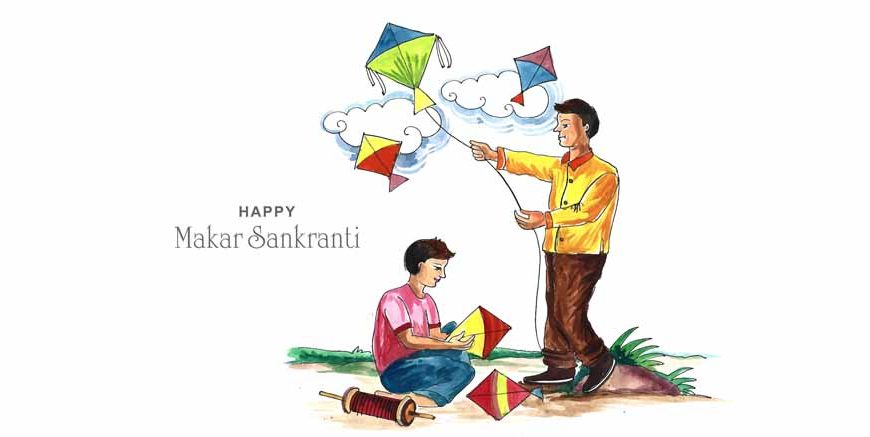
Makar Sankranti is one of the most joyful and meaningful festivals celebrated in India. It marks the transition of the Sun into the zodiac sign Makara and the beginning of longer, warmer days. For children, Makar Sankranti is a festival full of colors, sweets, kites, and happiness. A Makar Sankranti essay in English for kids helps young learners easily understand the importance of this festival, along with Indian culture, seasonal changes, and good values, simply and enjoyably
What Is Makar Sankranti?
Makar Sankranti is a harvest festival celebrated across India. It usually falls on the 14th or 15th January every year. On this day, the Sun starts moving northwards, which is called Uttarayan. People believe this change brings positivity, happiness, and prosperity. Different states celebrate Makar Sankranti in different ways, but the message of joy, togetherness, and gratitude remains the same.
Read More – Best Indian Mythology Stories for Kids
How Is Makar Sankranti Celebrated in India?
Makar Sankranti is celebrated in many parts of India with different names and local traditions. Even though the customs may vary, the festival has a common message of celebrating harvest, sunlight, and positivity. A Makar Sankranti essay for kids often explains how this festival teaches gratitude toward nature and happiness through sharing and togetherness. Makar Sankranti is celebrated with different names and traditions across India:
- Pongal in Tamil Nadu
- Uttarayan in Gujarat
- Lohri in Punjab
- Magh Bihu in Assam
Read More – Harvest Festivals in India: Pongal, Onam & Makar Sankranti
10 Lines on Makar Sankranti for Kids
- Makar Sankranti is a famous Indian festival.
- It is celebrated in the month of January.
- This festival marks the Sun’s movement into Capricorn.
- Makar Sankranti is also known as a harvest festival.
- People wear new clothes on this day.
- Kite flying is a popular activity during Makar Sankranti.
- Special sweets made of jaggery and sesame are prepared.
- People share food with family and friends.
- Farmers thank nature for good crops.
- Makar Sankranti spreads happiness and positivity.
5 Lines on Makar Sankranti
- Makar Sankranti is a happy festival.
- It comes in January every year.
- People fly colorful kites.
- Sweets are shared with everyone.
- It is a festival of joy and sharing.
Read More – Effective Essay Writing Tips for Kids
Short Essay on Makar Sankranti for Kids
Makar Sankranti is a significant festival celebrated throughout India. It marks the beginning of the harvest season and the movement of the Sun towards the north. On this day, people prepare sweets made of jaggery and sesame seeds. Children enjoy flying kites and spending time with family. Makar Sankranti teaches us to be thankful, kind, and happy.
Essay on Makar Sankranti in 150 Words
Makar Sankranti is an important Indian festival celebrated every year in January. It marks the movement of the Sun into the zodiac sign Capricorn and the beginning of longer days. This festival is also known as a harvest festival, as farmers thank nature for good crops. On this day, people wake up early, take a holy bath, and wear new clothes. Special sweets made from jaggery and sesame seeds are prepared and shared with family, friends, and neighbors. Flying colorful kites is one of the most exciting parts of Makar Sankranti, especially for children. In different parts of India, this festival is celebrated with different names such as Pongal, Lohri, and Uttarayan. Makar Sankranti teaches us important values like sharing, kindness, gratitude, and living in harmony with nature. It is a joyful festival that brings people together and spreads happiness and positivity in society.
Read More – Best Essays on Ganesh Chaturthi for Your Little One
How EuroKids Makes Festival Learning Fun and Meaningful
At EuroKids, festivals like Makar Sankranti are used as opportunities to blend learning with joy and real-life experiences. Instead of only memorizing facts, children explore festivals through activities that match their age, curiosity, and imagination. EuroKids introduces Makar Sankranti by:
- Explaining the festival through simple conversations and storytelling, helping children understand why it is celebrated
- Connecting the festival to nature, seasons, and farming, so children learn where food comes from
- Encouraging hands-on activities like kite-themed art, paper crafts, and coloring worksheets
- Teaching children the importance of sharing sweets, helping others, and saying thank you
- Using songs, rhymes, and group discussions to build language skills and confidence
By linking festivals to everyday life, EuroKids helps children remember concepts more effectively and develop a deeper respect for Indian traditions naturally and enjoyably.
Conclusion
Makar Sankranti is a festival that celebrates sunshine, harvest, and togetherness. Through 10 lines, short essays, and simple explanations, children can easily understand the meaning of this joyful day. A sankranti essay for kids helps young learners stay connected to Indian culture, seasonal changes, and important values such as gratitude and sharing.
When festivals are taught through stories, discussions, and creative activities, children enjoy learning without pressure. With the right guidance from early learning environments like EuroKids, festivals such as Makar Sankranti become memorable lessons that shape a child’s understanding of culture, kindness, and community.
Read more learning-focused and festival-based content for kids on the EuroKids Blog. Explore early childhood programs and admission details at the EuroKids admission page.
FAQs:
1. What is Makar Sankranti in simple words?
Makar Sankranti is a festival that marks the beginning of longer days and the harvest season.
2. When is Makar Sankranti celebrated?
It is usually celebrated on the 14th or 15th of January every year.
3. Why do people eat jaggery and sesame on Makar Sankranti?
These foods keep the body warm and teach the value of sharing sweetness with others.
4. Why is Makar Sankranti important for children?
It helps children learn about seasons, farming, Indian culture, and the joy of sharing.
5. How do schools like EuroKids teach festivals?
EuroKids teaches festivals through stories, activities, art, and discussions so children learn happily and naturally.