Let us be completely honest for a moment. Toddlers are terrible liars. You know the exact scenario. You turn your back for five seconds to grab a towel or stir a pot on the stove. When you look back, your little one has a suspiciously bulging cheek and is chewing rapidly. You ask them what they have in their mouth. They freeze, look you dead in the eye, and shake their head with absolute innocence.
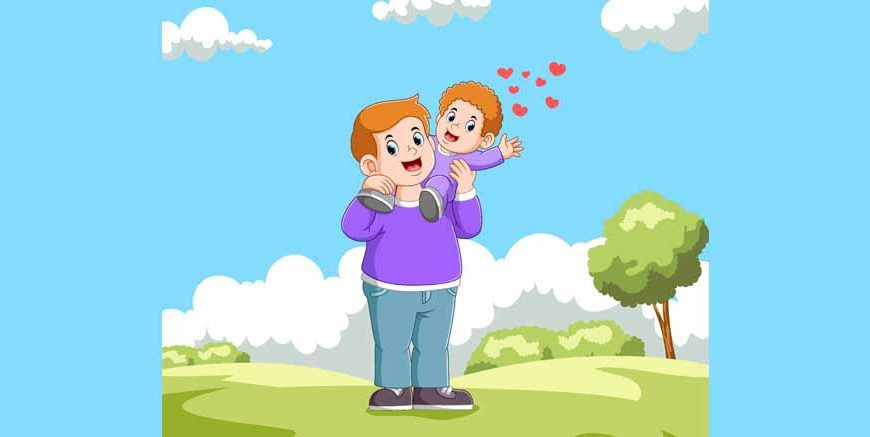
Every single parent on the planet knows this moment. Children at this age are naturally curious boundary pushers. They want to know what happens when they break a tiny rule. This is exactly why the johny johny nursery rhyme has remained wildly popular for decades. It perfectly captures that hilarious, universal dynamic between a watchful parent and a cheeky child.
However, this is not just a funny song to pass the time. It is actually a brilliant parenting tool. When you sing this rhyme, you are teaching your child about honesty, cause and effect, and conversational turn-taking. You are taking a potentially tense moment (catching them doing something wrong) and turning it into a moment of connection and laughter. We are going to explore why this simple rhyme works so well, how to make it highly interactive, and the hidden educational benefits behind the giggles.
The Complete Johny Johny Yes Papa Lyrics
Before we break down the psychology of the rhyme, you need the actual text. The beauty of the johny johny yes papa lyrics lies in their absolute simplicity. There are no complicated words. It is a direct, rhythmic conversation.
Papa: Johny, Johny.
Johny: Yes, Papa?
Papa: Eating sugar?
Johny: No, Papa.
Papa: Telling lies?
Johny: No, Papa.
Papa: Open your mouth.
Johny: Ha! Ha! Ha!
You can easily swap out the name “Johny” for your own child’s name to make it personal. You can also swap “Papa” for Mama, Dada, or Nana. The structure remains identical, but the personal touch makes your child pay much closer attention.
Read More – Nursery Rhymes and Children’s Songs With Lyrics
The Psychology Behind the Johny Johny Yes Papa Poem
Why do kids request this specific rhyme over and over again? It all comes down to the concept of the “safe scare.”
In the johny johny yes papa poem, the child character gets caught breaking a rule. For a toddler, getting caught is usually a scary concept. It usually means a stern voice or a timeout. But in this poem, getting caught ends with a giant, belly-shaking laugh. The “Ha! Ha! Ha!” At the end is a massive release of tension.
It teaches your child a vital social-emotional lesson. It shows them that they can make a mistake, they can even try to hide it, but the ultimate result with their parent is still love and playfulness. By singing this, you are subconsciously telling your child that your love is not conditional upon their perfect behaviour. It builds an incredible amount of trust. When they actually do something wrong in real life, they will be less afraid to open their mouth and tell you the truth.
The Educational Power of Call and Response
If you look closely at the structure of johny johny yes papa rhymes, you will notice it is not a traditional song where you just sing at your child. It is a strict call and response. You ask a question. They must provide the answer.
This is a critical milestone in speech and language development. Many toddlers struggle with the rhythm of real conversation. They want to talk over you or they forget to reply. This rhyme trains their brain to listen for a cue and respond appropriately. When you say “Eating sugar?”, they have to wait for your sentence to finish before they chime in with “No, Papa.”
You are teaching them the fundamental mechanics of human dialogue. Furthermore, the repetition of the ‘P’ and ‘J’ sounds helps them practice their hard consonant pronunciation, which is often a focus in early speech therapy exercises.
How to Make the Rhyme Highly Interactive
Do not just sit on the couch and recite the words flatly. You need to turn this into a full theatrical performance. Children learn through active engagement and physical touch.
Start by hiding a small, safe toy or a piece of fruit behind your back. Call their name in a deep, exaggerated, playful voice. When you get to the “Eating sugar?” line, gently poke their tummy. When you ask if they are telling lies, raise your eyebrows really high and put your hands on your hips. Build the suspense.
Finally, when you say “Open your mouth,” gently tickle their ribs. The resulting “Ha! Ha! Ha!” will be completely genuine. This physical routine anchors the words to a positive physical sensation. Your child will start initiating the game themselves, running up to you and hiding their hands just so you will start singing.
Read More – Short Rhyming Poems for Kids
Using the Rhyme for Real-Life Redirection
You can also use the rhythm of this song to manage actual tricky situations. Toddlers are famous for putting dangerous or dirty things into their mouths. Crayons, dog kibble, handfuls of garden dirt.
When you catch them about to eat something they should not, instead of shouting “Drop that right now!”, try using the song’s melody. “Arjun, Arjun. Yes Mama? Eating dirt? No Mama.” It immediately stops them in their tracks because they recognise the game. It diffuses a stressful situation. It gets them to open their mouth willingly so you can fish out whatever they were trying to swallow, without any tears or tantrums.
Why Music and Rhyme Matter So Much
There is a reason human beings have been using nursery rhymes for centuries. Music acts like a sticky glue for a child’s memory. A toddler who cannot remember where they left their shoes five minutes ago can flawlessly remember a ten-line song.
The rhythmic bouncing of the words helps organise their developing brain. It improves their auditory discrimination, which means they get better at telling the difference between similar sounds. This is the exact skill they will need a few years later when they start learning phonics and trying to read. By singing daily, you are literally wiring their brain for future academic success.
Read More – Nursery Rhymes for Toddlers
The EuroKids Philosophy on Early Learning
At EuroKids, we never look at a nursery rhyme as just a simple song. We see it as an opportunity for deep cognitive engagement. We believe that learning must always be joyful, interactive, and completely child-centric. We do not force children to sit in silence and listen. We encourage them to sing, shout, and laugh out loud.
This approach is woven into everything we do. We actively utilise the HEUREKA curriculum, which is a highly specialized framework inspired by Harvard University’s Project Zero, to help children make their thinking visible and explore the logic behind everyday activities. This ensures they are not just repeating words, but actually understanding the emotions and meanings behind them.
Join the EuroKids Family
If you are looking for an environment that understands the delicate, beautiful chaos of toddlerhood, we are here for you. The EuroKids Preschool Admission process is your first step toward giving your child a foundation built on trust, laughter, and cutting-edge educational research. We want to partner with you to raise confident, expressive, and happy children.
We highly recommend that you visit the EuroKids Blog frequently. It is packed with more interactive games, parenting strategies, and deep dives into early childhood milestones. Give your child the space to sing, play, and occasionally get caught with their hand in the sugar jar.
Frequently Asked Questions (FAQs)
1. Is it bad that the rhyme features a child telling a lie?
Not at all. Children explore the concept of truth and fiction naturally. The rhyme actually provides a safe, controlled environment to discuss honesty. Because the “lie” is discovered immediately and ends in laughter, it teaches them that parents are observant and that the truth is always revealed in the end.
2. How do I get my child to actually answer back instead of just listening?
You have to leave a long pause. When you say “Johny, Johny,” completely stop talking. Lean forward and look at them expectantly. If they do not say “Yes, Papa,” whisper it to them as a prompt. Once they realise they hold the key to continuing the fun game, they will start chiming in.
3. At what age should my child be able to sing this back to me?
Most toddlers begin to actively participate in call-and-response rhymes between 18 months and 2 years of age. However, even infants benefit from hearing the rhythm and watching your facial expressions, so it is never too early to start singing.
4. Can I change the words to fit our daily routine?
Absolutely. Changing the lyrics is a fantastic cognitive exercise. You can change it to “Throwing toys? No, Mama” or “Pulling hair? No, Dada.” It keeps the child engaged because they have to listen closely to see what rule you are singing about today.
5. How does EuroKids use rhymes like this in the classroom?
We use them as transitional tools and learning anchors. If the class is getting too loud, a teacher might start a familiar call-and-response rhyme to gently grab their attention without having to shout. It brings the group together, focuses their minds, and instantly resets the mood of the room.