Length and distance are concepts children encounter early, both at home and in school. Rulers, measuring tapes, and height charts introduce units like inches and feet. While each unit is easy on its own, converting between them can feel tricky for young learners. This is where clear explanation and consistent practice become important.
This confusion does not come from difficulty. It comes from a missing connection. When measurement gets taught as a formula instead of a concept, children memorise numbers without understanding meaning. Learning inches to feet conversion changes that experience. It teaches children how units relate, how numbers behave, and why maths connects to the real world.
This guide helps you understand how to convert inches to feet, why the conversion works, and how you can help your child learn it with confidence rather than fear.
Understanding Measurement Before Learning Inches to Feet
Before children learn conversion, they first learn comparison. Taller and shorter. Longer and smaller. These ideas form naturally through play and observation. Measurement builds on this instinct by giving numbers to what children already see.
Inches and feet belong to the same system of length. They exist to measure objects of different sizes accurately. Inches work well for small objects like books or pencils. Feet help measure larger objects like doors or height.
When children understand this purpose, inches to feet conversion feels logical. They see that units change, not the object being measured. This mindset removes confusion and builds clarity early on.
Read More – Centimeter To Feet Conversion
What Is Inches to Feet Conversion and Why It Matters
To understand inches to feet, your child needs to know one key relationship. One foot equals twelve inches. This fixed relationship forms the base of all conversion between these two units.
When you convert inches to feet, you group inches into sets of twelve. Each complete group becomes one foot. Any leftover inches remain as inches. This idea mirrors how children already group objects during play.
Learning conversion matters because it teaches flexibility in thinking. Children learn that numbers can represent the same quantity in different ways. This understanding supports later topics like decimals, fractions, and geometry.
Inches to Feet Formula Explained Simply
The inches to feet formula feels intimidating when written without explanation. In reality, it reflects a simple division.
To convert inches to feet, divide the number of inches by twelve. The quotient gives the number of feet. The remainder shows leftover inches, if any.
For example, if your child measures a table as 36 inches, dividing 36 by 12 gives 3. That means the table is 3 feet long. This explanation helps children connect arithmetic to reality rather than memorising steps blindly.
Step-by-Step Method to Convert Inches to Feet
Start by identifying the total number of inches. Next, divide that number by twelve. If the result gives a whole number, the conversion ends there. If it leaves a remainder, the quotient shows feet and the remainder shows inches.For example, 50 inches divided by 12 equals 4 with a remainder of 2. That means the length equals 4 feet 2 inches. This step-by-step thinking builds confidence. Children understand what each number represents rather than rushing to answers.
Read More – Convert MM to Inches Formula
Inches to Feet Conversion Table for Quick Learning
A table helps children spot patterns and revise quickly. Instead of memorising formulas, they see how numbers relate.
|
Inches |
Feet |
|
12 |
1 |
|
24 |
2 |
|
36 |
3 |
|
48 |
4 |
|
60 |
5 |
|
72 |
6 |
|
84 |
7 |
|
96 |
8 |
|
108 |
9 |
|
120 |
10 |
This table supports visual learning. Children notice that inches increase by twelve each time, reinforcing understanding naturally.
Practical Examples of Inches to Feet Conversion
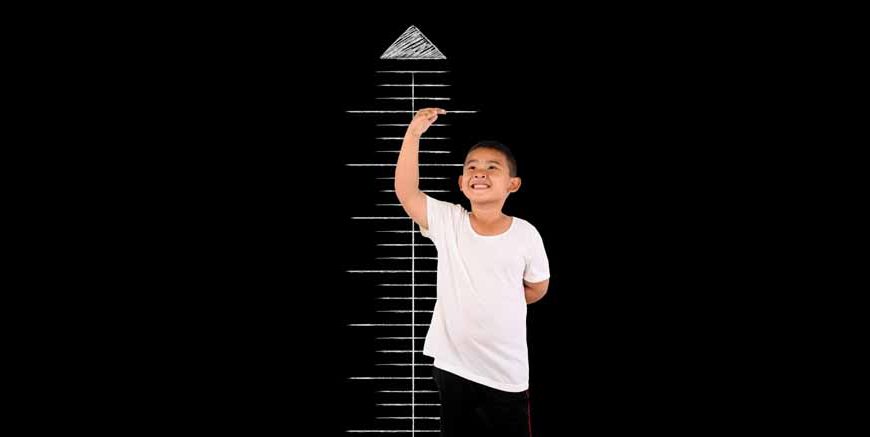
Real examples make learning meaningful. Imagine your child measures their height as 48 inches. Dividing 48 by 12 gives 4. That means your child is 4 feet tall. If a desk measures 30 inches, dividing by 12 gives 2 feet with 6 inches remaining. These examples show that conversion helps describe real objects accurately. By practising with familiar items, children learn faster and remember longer.
Understanding Inches to Square Feet Formula
Length and area differ, and children often confuse them. The inches to square feet formula applies when measuring area, not length. One square foot equals 144 square inches. This happens because 12 inches multiplied by 12 inches equals 144 square inches. To convert square inches to square feet, divide by 144. For example, if a floor area measures 288 square inches, dividing by 144 gives 2 square feet. Explaining this distinction clearly prevents confusion later in geometry and measurement.
Common Mistakes Children Make While Converting Inches to Feet
Children sometimes multiply instead of divide. Others forget that twelve inches make one foot. These mistakes happen because concepts move too fast. Correcting errors gently helps learning stick. Encourage your child to visualise grouping inches into sets. When understanding leads, accuracy follows naturally. Mistakes show progress. Each correction strengthens clarity.
How Measurement Is Taught in Early Education
Early education focuses on experience, not memorisation. Children measure objects, compare lengths, and explore space using real tools. At EuroKids, the HEUREKA Curriculum supports this experiential approach by helping children understand measurement through hands-on learning and real-life application. This method builds confidence and curiosity simultaneously.
How Parents Can Support Learning at Home
You can turn everyday moments into learning opportunities. Measure furniture together. Compare book sizes. Talk about height and distance casually. Avoid rushing or correcting harshly. Let curiosity guide learning. When children feel safe to explore, understanding grows naturally. Your involvement creates a strong learning environment beyond classrooms.
Why Learning Inches to Feet Builds Maths Confidence
Unit conversion builds logical thinking. It teaches children that numbers relate, not exist in isolation. When children master convert inches to feet, they approach maths with confidence. They stop fearing numbers and start understanding relationships. This confidence supports long-term academic success and problem-solving skills.
Conclusion
Learning inches to feet conversion gives children clarity, control, and confidence. It transforms measurement from confusion into understanding. If you seek an early education environment that values concept clarity and child-friendly learning, EuroKids Preschool Admission offers programmes that support strong foundations. The EuroKids Blog continues to guide parents with expert insights into early learning. Small concepts learned well create big confidence for life.
Frequently Asked Questions
What is inches to feet conversion?
It means changing a length measured in inches into feet using the relationship that one foot equals twelve inches.
How do you convert inches to feet easily?
Divide the number of inches by twelve.
What is the inches to feet formula?
Feet equals inches divided by twelve.
What is the inches to square feet formula?
Divide square inches by 144 to get square feet.
Why should children learn unit conversion early?
It builds logical thinking and supports future maths learning.