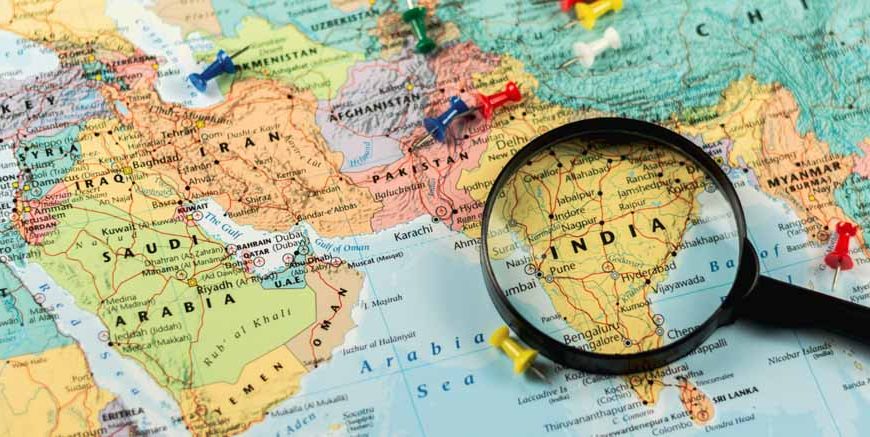
When children look at a world map, they do not just see colours and shapes. They notice patterns. Some countries look tiny, while others stretch across large parts of the map. This naturally leads to an important question. Why are some countries bigger than others?
This curiosity is the beginning of geographical thinking. Children start comparing size, distance, and space. Learning about the largest country in the world helps them understand how the Earth is divided, how people live in different regions, and why geography matters in everyday life. Instead of memorising facts, children begin to connect maps with real places and real lives.
This blog helps young learners understand which country is the largest in the world, why it is so big, and what makes it unique, using simple explanations, short notes, and clear examples.
Learning about the largest country is not just about memorising names. It helps children understand geography, diversity, and how the world fits together. When you explore what is the largest country in the world, you also open conversations about climate, people, cultures, and distances.
Understanding What “Largest Country” Really Means
Before answering questions, children need clarity. The term largest country usually refers to land area, not population. This difference often confuses young learners. A country can cover a huge area of land but still have fewer people living in it.
Geographers measure countries by total land area, including forests, mountains, deserts, plains, and sometimes frozen regions. Understanding this concept helps children avoid common mistakes and prepares them to learn global geography with accuracy and confidence.
What Is the Largest Country in the World
So, what is the largest country in the world. The answer is Russia. Russia is the largest country in the world by land area. It covers more land than any other country on Earth.
Russia stretches across two continents, Europe and Asia. Its vast size includes forests, mountains, rivers, and cold regions where snow remains for most of the year. Explaining Russia’s size helps children understand how geography shapes weather, lifestyle, and resources. This context makes the fact easier to remember and more meaningful.
Largest Country in the World by Area Explained Simply
When students learn about the biggest country in the world by area, they begin to see how land size affects daily life. Russia’s size means that it has multiple time zones and varied climates. Some parts experience extreme cold, while others have milder weather.
This explanation helps children realise that a large land area does not mean the entire country looks the same. Understanding this builds spatial awareness and curiosity about different regions within a single nation.
Read More – Indian Cities and Their Nicknames
Learning About the 2nd Largest Country in the World
The 2nd largest country in the world is Canada. Canada ranks second in land area and lies mostly in North America. It has vast forests, lakes, and snowy regions. Canada’s size teaches children about natural features like freshwater lakes and forests. Despite being very large, Canada has a smaller population compared to its size. This comparison helps children understand that land size and population do not always match.
Understanding the Third Largest Country in the World
The third largest country in the world is China. China has a diverse landscape that includes mountains, deserts, plains, and rivers. Its size supports many climates and ecosystems. China’s position as one of the largest countries helps children understand how geography influences culture, agriculture, and settlement patterns. Learning about China also prepares students to understand global diversity better.
Read More – List of Countries and Their Capitals for Kids
Biggest Country in the World by Population
When children ask what is the biggest country in the world by population, the answer is India. India has the highest number of people living within its borders. India’s population size shows that a country does not need to be the largest by land to support many people. This distinction helps children understand how cities, resources, and communities develop differently around the world.
Comparing Area and Population Across Large Countries
Comparing land area and population builds critical thinking. Russia has the largest land area but a smaller population. India has a smaller land area but the largest population. These comparisons help children learn how geography, climate, and history influence where people live. Such understanding encourages analytical thinking rather than rote learning.
Exploring the Top 10 Largest Countries in the World
Learning the top 10 largest countries by area helps children build a global framework. These include Russia, Canada, China, the United States, Brazil, Australia, India, Argentina, Kazakhstan, and Algeria. Rather than memorising names, children benefit from understanding patterns. Many large countries have varied climates and natural resources. This approach strengthens long-term learning and recall.
Read More – Different Country Flags with Names
Interesting Facts About the World’s Largest Countries
Some large countries stretch across several time zones. Others contain deserts, forests, mountains, and coastlines within the same borders. These facts make geography engaging and memorable. When learning feels interesting, children stay curious and motivated. Facts support understanding without overwhelming young learners. Understanding large countries helps children develop global awareness. They begin to appreciate diversity and understand that people live differently around the world. Geography also improves problem-solving and observation skills. These benefits extend beyond academics and support overall development.
How EuroKids Makes Geography Simple and Meaningful
At EuroKids, children learn geography through visuals, storytelling, and real-life connections. Concepts like country size become easier when children can see, discuss, and relate to them. EuroKids follows the Heureka Curriculum, which supports experiential learning and helps children understand concepts deeply and naturally.
Conclusion
Learning about the largest country in the world, population differences, and global geography helps children see the world with clarity and curiosity. These lessons build confidence and foundational knowledge that lasts beyond classrooms.
Choosing the right learning environment matters. EuroKids Preschool Admission offers children a nurturing space where learning feels engaging and meaningful. Parents can also explore the EuroKids Blog for reliable insights, learning tips, and educational guidance that support early development.
Frequently Asked Questions
What is the largest country in the world by area?
Russia is the largest country by land area.
Which is the biggest country in the world by population?
India has the highest population in the world.
Why is Russia so large?
Russia stretches across two continents and includes many geographical regions.
How can children remember the top 10 largest countries?
By understanding patterns instead of memorising names.
Why should children learn about country sizes early?
It builds global awareness and critical thinking.