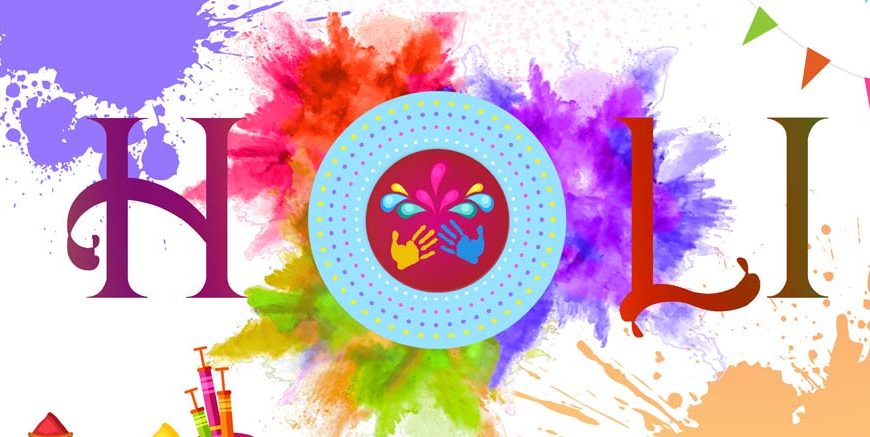
Your child runs towards you with a handful of bright pink powder and asks, “Why do we play with colours on Holi?” You smile. You remember your own childhood. You remember the laughter, the sweets, the excitement. Yet in that moment, you realise something important. Colours alone do not explain holi. The story does.
As a parent, you want your child to enjoy festivals. But you also want meaning behind the celebration. You want values to take root early. You want your child to understand courage, kindness and faith in a way that feels natural. That is where a thoughtful holi story for kids becomes powerful.
When you narrate the authentic holi festival story for kids, you do more than tell a tale from mythology. You build moral understanding. You strengthen cultural identity. You encourage emotional growth. Through the right story of holi for kids, you help your child connect joy with responsibility.
In this guide, you will explore the complete holi story for children, understand its history, uncover its moral lessons and learn how to narrate a meaningful story about holi for kids at home or in school. You will also see how structured storytelling supports early childhood development and why it matters more than ever in today’s world.
Let us begin with the story that forms the heart of Holi.
The Story of Holi for Kids: The Legend of Prahlad and Holika
When you narrate the original story of holi for kids, you introduce them to one of the most significant legends in Hindu tradition. This story explains why people light bonfires on the eve of Holi, a ritual known as Holika Dahan.
Long ago, there lived a powerful king named Hiranyakashipu. He ruled his kingdom with pride and demanded that everyone worship him instead of the gods. Over time, his arrogance grew stronger. However, his own son Prahlad refused to follow his command. Prahlad believed deeply in Lord Vishnu and remained firm in his devotion.
Hiranyakashipu tried to change his son’s faith. He threatened him. He punished him. He placed him in dangerous situations. Yet Prahlad did not give in. He stayed calm and trusted that goodness would protect him.
Finally, the king sought help from his sister Holika. She possessed a special power that protected her from fire. They planned to sit Prahlad on her lap inside a blazing fire, believing she would survive while the child would perish.
But evil intentions never succeed. Holika’s power worked only if she entered the fire alone. Because she misused her gift, the protective cloak left her and covered Prahlad instead. Holika burned, and Prahlad emerged unharmed.
This powerful holi story for children teaches your child that truth and faith always overcome arrogance and cruelty. When you light the Holi bonfire, you celebrate the victory of good over evil.
Read More – Holi Festival Story for Kids
The Krishna Legend: Why Colours Define Holi
While the legend of Prahlad explains the bonfire, the playful tradition of colours comes from another beautiful part of the holi festival story for kids.
According to popular belief, young Lord Krishna often worried about his dark complexion. He wondered why Radha looked different from him. His mother, Yashoda, gently suggested that he apply colour to Radha’s face. Krishna followed her advice playfully, and Radha responded with joy.
This small, innocent act created a tradition that continues today. People apply colours to one another not as an act of competition, but as an expression of equality and friendship.
When you narrate this part of the holi story for kids, you help your child understand an important message. Under colours, everyone looks the same. Social differences disappear. Holi promotes unity and removes barriers.
This joyful ritual turns a historical legend into a living cultural experience. Your child learns that celebration can bring people together in meaningful ways.
Holi and Its Cultural Significance in India
When you explain holi to your child, you introduce them to more than mythology. You introduce them to cultural heritage and seasonal change.
Holi marks the arrival of spring. It symbolises renewal, hope and fresh beginnings. Farmers celebrate successful harvests. Families clean their homes and prepare traditional sweets. Communities gather to sing, dance and reconnect.
The festival encourages forgiveness and rebuilding relationships. Many people use this time to let go of past misunderstandings. You can teach your child that Holi represents emotional renewal as much as seasonal change.
You may also notice confusion between holi and the holy week story for kids. It is important to clarify this gently. Holy Week belongs to Christian tradition and commemorates events leading to Easter. Holi belongs to Hindu tradition and celebrates the triumph of good over evil and the arrival of spring. By explaining this difference, you teach respect for diverse beliefs while strengthening your child’s understanding of their own culture.
Read More – Fun Facts About Holi
Moral Lessons Hidden in the Holi Story for Kids
Every meaningful holi story for children carries lessons that shape character. When you discuss these lessons openly, you help your child internalise them.
The story of Prahlad teaches courage. Your child learns to stand firm for what feels right. Prahlad did not shout or fight. He remained steady and calm.
The legend teaches resilience. Life may bring challenges, but inner strength helps you overcome them.
The Krishna story teaches acceptance. When you apply colours gently, you symbolically celebrate equality. You remind your child that kindness matters more than appearance.
Holi also teaches responsibility. Festivals bring excitement, but children must respect others’ comfort and safety.
When you connect the story about holi for kids to daily behaviour, you turn mythology into practical guidance.
How to Tell the Holi Story in a Way Children Understand
You may wonder how to narrate the holi story for kids effectively. Storytelling requires intention.
Begin by creating a calm space. Sit close to your child. Use simple and expressive language. Change your voice slightly for different characters. Ask questions such as, “Why do you think Prahlad stayed brave?”
Encourage your child to repeat key phrases. Invite them to draw a scene from the story. These small activities improve comprehension and memory.
After narrating the holi festival story for kids, connect it to real life. Ask your child how they can show courage in school. Encourage them to apologise if they make mistakes. Reinforce gentle play during Holi celebrations.
When you treat storytelling as an interactive experience, you strengthen emotional bonding and cognitive development.
Celebrating Holi in Schools Through Stories and Activities
Schools play a vital role in bringing the story of holi for kids to life. Structured storytelling sessions allow children to understand culture in a guided environment.
Teachers often organise role plays where children act as Prahlad or Holika. Such activities build confidence and public speaking skills. Art sessions encourage children to draw bonfires and spring flowers. Music sessions introduce traditional songs that enhance rhythm and coordination.
When educators design celebrations thoughtfully, they transform holi into a meaningful learning opportunity rather than a chaotic event.
At EuroKids, experiential learning remains central to festival celebrations. The Heureka Curriculum encourages theme-based storytelling and reflective discussions that help children understand traditions deeply and responsibly.
Read More – Importance of Indian Festivals in Shaping Kids Personality
Why Storytelling Strengthens Early Childhood Development
When you prioritise the holi story for kids, you support your child’s overall growth. Research from UNICEF highlights that storytelling strengthens language skills, imagination and emotional intelligence.
Stories stimulate the brain. Children visualise scenes. They connect emotions with actions. They understand the consequences.
Cultural narratives also build identity. When your child understands the holi story for children, they feel connected to heritage. This connection fosters confidence and belonging.
Storytelling also improves listening skills and attention span. In a world filled with distractions, this ability becomes increasingly valuable.
Through a simple story about holi for kids, you nurture thoughtful, empathetic and culturally aware individuals.
A Meaningful Holi Celebration Begins at Home
As a parent, you shape how your child experiences festivals. You can choose noise and colour alone, or you can choose reflection and understanding.
This Holi, take time to narrate the complete holi festival story for kids. Light the bonfire with intention. Apply colours gently. Teach your child to seek permission before playing. Encourage gratitude and kindness.
When you choose schools that honour traditions thoughtfully, you strengthen this learning further. If you are exploring early childhood education options, consider EuroKids Preschool Admission for a nurturing environment that balances cultural celebration with academic growth. You can also explore the EuroKids Blog section for more insights on parenting and early learning.
Through structured storytelling aligned with the Heureka Curriculum, EuroKids ensures that every festival becomes an opportunity for growth.
Frequently Asked Questions
1. What is the short holi story for kids?
The short holi story for kids narrates the legend of Prahlad and Holika, followed by Krishna’s playful tradition of colours.
2. What moral does the holi story teach children?
The holi story for children teaches courage, faith, equality and kindness.
3. Why do we celebrate holi with colours?
The colour tradition comes from the playful story of Lord Krishna and symbolises unity and joy.
4. How can parents explain holi to young children?
Use simple language, tell the story of holi for kids calmly and connect it to daily behaviour.
5. Is holi related to holy week?
No. Holi belongs to Hindu tradition, while the holy week story for kids belongs to Christian tradition.