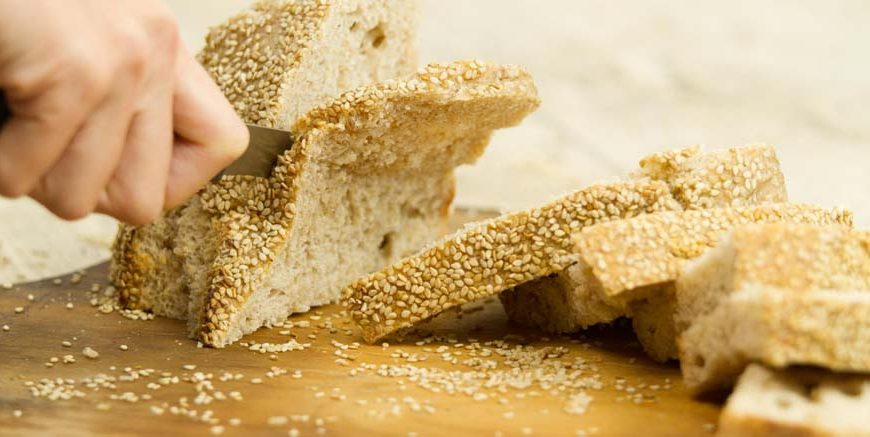
You have ve probably heard of yeast while baking bread or making cakes at home. But did you know this tiny organism plays a big role not only in cooking but also in science and health? Understanding yeast, its definition, and the many uses of yeast can be a fun learning topic for children and parents alike. A simple example of yeast, like the one used to make bread rise, can open the door to fascinating lessons about living microorganisms and how they help us in daily life.
Children are naturally curious about how food grows, rises, and changes. Yeast is a perfect concept to introduce because it connects kitchen activities with science learning. In this blog, we will explore what yeast is, how it works, and the top everyday and scientific uses of yeast.
What Is Yeast?
Yeast is a tiny, living microorganism that belongs to the fungus family. It is so small that we cannot see it with our eyes. Even though it is microscopic, yeast is extremely powerful and useful. Yeast feeds on sugar and produces two important things: carbon dioxide gas and alcohol. This process is called fermentation.
A simple example of yeast in action is when bread dough rises. The gas produced by yeast creates bubbles, making the dough soft and fluffy.
Read More – About Fungi for Kids
Example of Yeast Children Can Understand
The easiest example of yeast is bread making.
When you mix yeast with warm water, sugar, and flour, the yeast eats the sugar, releases gas, and the dough rises. That’s why bread becomes soft and airy instead of flat and hard.
How Does Yeast Work?
Think of yeast as a tiny eater. It eats sugar, produces gas, and creates bubbles. These bubbles get trapped inside dough or liquid and cause changes like rising bread, fizzy drinks, or fermented foods. This makes yeast both a cooking ingredient and a scientific wonder.
Types of Yeast Commonly Used
Each type has different uses but works through fermentation.
1. Baker’s Yeast
Used for bread, pizza, and cakes.
2. Brewer’s Yeast
Used in making beverages.
3. Nutritional Yeast
Used as a food supplement
Top 10 Uses of Yeast in Everyday Life & Science
1. Bread Making
This is the most common use. Yeast makes bread soft, spongy, and fluffy. Without yeast, bread would be dense and flat.
2. Cake and Bakery Items
Many bakery products use yeast for texture and taste. For example, buns, rolls, donuts, and pizza bases.
3. Making Fermented Foods
Yeast helps prepare fermented foods that are easier to digest. For example, some batters, fermented grains, and certain traditional foods. Fermentation also enhances flavor.
4. Beverage Production
Yeast is used in beverage fermentation processes. It helps convert sugars into alcohol and gas. This is often taught in science labs as a fermentation example.
5. Scientific Research
Yeast is very important in laboratories. Scientists use yeast to study cell behavior, understand genetics, and test medicines. Because yeast cells are simple and grow quickly, they are useful for experiments.
6. Medicine and Biotechnology
Yeast helps produce vaccines, enzymes, and medical proteins. Modern biotechnology uses yeast to safely manufacture many important health products.
7. Nutritional Supplements
Nutritional yeast is rich in vitamins, protein, and minerals. It is sometimes added to food for health benefits.
8. Biofuel Production
Yeast is used to make biofuels from plant sugars. This helps create renewable energy sources. It’s a great real-world science connection for older children.
9. Classroom Science Experiments
Yeast is perfect for simple science activities. Popular yeast experiments include the balloon inflation experiment, the dough rising observation, and the fermentation jars. These activities help children see science in action.
10. Waste Breakdown & Environmental Use
Yeast and other microorganisms help break down organic waste in nature. This supports composting, natural recycling, and soil enrichment. It shows children how microorganisms support the environment.
Why Teaching Yeast Helps Children Learn Science Better
Learning about yeast helps children understand:
- Living microorganisms
- Chemical reactions
- Food science
- Fermentation
- Cause and effect
Read More – Benefits of Vitamin B12 Rich Foods
How Strong Early Learning Environments At Eurokids Build Science Curiosity
Early science concepts become easier when children learn through real experiences. Topics like yeast are introduced through simple experiments, food activities, and observation-based learning. Instead of abstract explanations, children see changes happen, dough rising, bubbles forming, balloons inflating. This hands-on approach builds curiosity, questioning skills, and scientific thinking from a young age. When children explore rather than memorise, they understand better and remember longer.
Conclusion
Yeast may be tiny, but its impact is huge. From baking bread to supporting scientific research, the uses of yeast are found everywhere in daily life and modern science. Understanding the yeast definition helps children see that even microscopic living things can make big changes. A simple example of yeast-like rising dough can introduce children to fermentation, biology, and chemistry in a fun and practical way.
When children learn through experiments and real-world examples, science becomes less scary and more exciting. Everyday kitchen ingredients like yeast can become powerful teaching tools that spark curiosity and discovery.
To explore more learning ideas, simple explanations, and early childhood resources, parents can visit the EuroKids Blog. Those who wish to understand the preschool journey better or explore enrolment options can find complete information on the EuroKids Preschool Admission Page, where learning is designed to be joyful, engaging, and child-friendly.
FAQs:
1. What is yeast in simple words?
Yeast is a tiny living microorganism that helps food rise and ferment.
2. What is the most common use of yeast?
The most common use of yeast is in bread making.
3. Is yeast alive?
Yes, yeast is a living fungus.
4. What is an easy example of yeast for kids?
Bread dough rising is the simplest example.
5. Why is yeast important in science?
Yeast is used in experiments, medicine production, and biotechnology research.