If you have a garden and love spending time there, it is important to master the essential terms to confidently understand plant cycles, maintain your soil, and identify the equipment you will need to nurture your garden. It includes tools, plants, and techniques that are required to cultivate a thriving outdoor space. These words will also help the kids communicate effectively about plant care and garden maintenance. In this blog, we will explore what a garden is, what it contains, and its meaning.
What Is a Garden?
A garden is a planned outdoor space set aside for the cultivation and display of plants. It combines natural elements such as plants, soil, and water with human-made elements such as paths, seating, and fences. They can range from a small backyard patch to massive public botanical gardens. Many people go beyond just growing food and flowers, creating and maintaining gardens as a relaxing hobby. This is a creative outlet for them or a peaceful retreat from daily life.
Read More – Positive Impact of Gardening on Children
List of Gardening Terms
- Hedge
- Fence
- Bucket
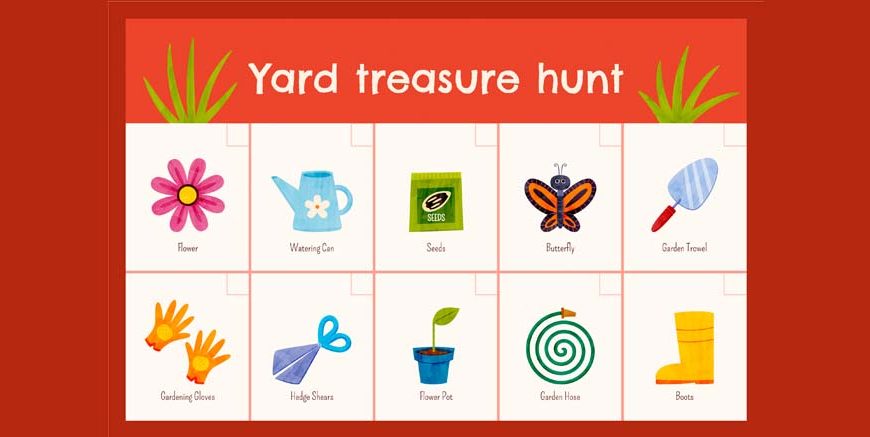
- Garden hose
- Broom
- Tree
- Plant
- Pot
- Watering can
- Boots
- Fertilizer
- Hoe
- Gardening Vocabulary Words
- Greenhouse
- Hedge
- Lawn
- Fountain
- Flowerpot
- Vegetable patch
- Nursery
- Orchard
- Pathway
- Fence
Vocabulary About Plants
- Root
- Stem
- Leaf
- Bud
- Petal
- Fruit
- Thorn
Read More – Types of Plants for Kids
Gardening tools
- Watering can
- Spade
- Trowel
- Fork
- Pruners
- Shears
- Hose
- Lawnmower
- Wheelbarrow
- Topical Words
- Plants
- Flowers
- Greenhouse
- Annuals (like veggies)
- Perennials (like roses)
- Hardy
- Evergreen
- Pot
- Soil/earth
- Root
- Seeds
- Seedling
- Weeds
- Tilth
- Mulch
- Anther
- Aphid
- Ladybug
Gardening Activities
- Dig a hole
- Grow a seed
- Mow the lawn
- Water the plants
- Pull out the weeds
- Hoe off weeds
- Plant a tree/plant
- Pick vegetables and fruit
- Remove fallen leaves
Read More – Gardening Projects and Nature Exploration for Kids
Importance of Gardens
- It helps improve mental and physical health by providing fresh, clean air.
- They provide nutritious produce and reduce stress
- They support biodiversity and improve air quality by producing oxygen
- They promote sustainability and enhance environmental quality
- Teach children about nature
How Gardens Help Students Learn
- Learn responsibility by caring for plants
- Understand science through observation
- Improve vocabulary through nature-based learning
- Develop patience and curiosity
How EuroKids Helps Children Learn Through Nature
At EuroKids, children are encouraged to explore nature through interactive learning experiences. Topics such as plants, gardens, and gardening vocabulary are introduced using storytelling, outdoor activities, and visual learning methods. Teachers help children identify plants in the garden by name, understand plant growth, and explore nature in fun ways. Activities such as planting seeds, nature walks, and art projects make learning more interactive and fun.
What Makes EuroKids Different: The HEUREKA Curriculum
A major factor behind EuroKids’ credibility is its HEUREKA Curriculum. This curriculum is designed around how young children naturally learn. It focuses on holistic development rather than rote instruction.
The HEUREKA approach integrates cognitive skills, emotional intelligence, physical development, creativity, and social awareness. Learning happens through exploration, play, and interaction, making classrooms lively and engaging. For parents, this ensures children enjoy learning. For franchise partners, it creates a strong value proposition rooted in educational quality.
This emphasis on research-backed early learning is why EuroKids is often recognised as the best preschool franchise by families and entrepreneurs alike.
Conclusion
A garden is a space outside your home where grass, flowers, trees and other plants are found. Once kids learn the garden vocabulary, it will be easier for them to enjoy growing flowers or other plants in their private gardens. It can also become a hobby or recreational activity. For landscaping, some gardens have ponds, pathways, or even fountains. This act of watering plants and caring for a garden will help children connect with nature.
Parents looking to give their child a strong foundation in early learning can explore EuroKids Preschool Admission to begin this enriching journey.
For more insightful articles that support early learning, awareness, and child development, parents and educators can explore the wide range of resources available on EuroKids Blogs.
Frequently Asked Questions (FAQs)
What is gardening?
The job or activity of working in a garden, caring for your plants, and keeping them nice. It is a horticultural practice of growing and cultivating plants.
What are the different kinds of gardening?
There are many types of gardening, including butterfly park gardening, container gardening, experimental gardening, organic gardening, herb, fruit, and vegetable gardening, and aquatic gardening.
What does a garden represent?
A garden is a planned outdoor space dedicated to the cultivation, display, and enjoyment of plants and other aspects of nature.