


Walk past any apartment lift lobby on a Saturday and you will spot a familiar pile. Delivery cartons from Amazon and Blinkit sit flat on the floor, plastic water bottles wait by the kitchen dustbin, and empty shoeboxes take up space on top of the wardrobe. Most of us hand these straight to the raddiwala without giving them a second thought.
At the very same time, we go online and spend eight hundred or a thousand rupees on plastic craft kits to stop our children from staring at tablets all afternoon. The funny thing is, you do not need those shiny boxed sets at all. Give a child an old carton, a bottle of Fevicol, and a blunt pair of safety scissors, and they will happily spend two hours building a garage for their toy cars.
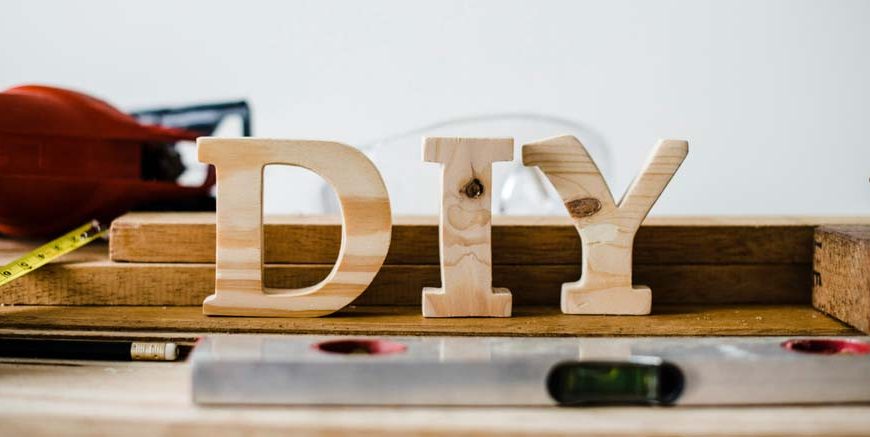
People use a short three-letter term for this kind of hands-on work. Still, parents often wonder what is the full form of diy when they see it pop up on craft channels and school project circulars. Getting to know this simple term opens up practical ways to help children make things with their own hands instead of just buying things off a shelf.
What Is the Full Form of DIY?
If someone asks you for the diy full form in english, it stands for three simple words: Do It Yourself.
Do It Yourself means making, fixing, or assembling things yourself instead of hiring a carpenter, tailor, or repairman to do the job for you. Rather than going to a market and buying a finished product, you grab whatever raw materials you have at home and build what you need through your own effort.
When your child turns an empty biscuit carton into a pencil stand, paints a small clay diya for Diwali, or fixes a torn page in a book with clear cello tape, they are doing DIY work. Knowing the diy full form helps kids understand an important truth: the objects in their room do not just show up ready-made. Real people cut, fold, and assemble them using basic tools and patience.
Read More – Educational Full Forms
Easy Home DIY Ideas for Young Children
Cardboard Box Football Game
Find a shallow shoebox. Cut three small holes down each long side and slide wooden knitting needles or long pencils right through. Clip wooden clothes pegs onto the pencils to act as players. Cut two small rectangular goal slots on the short ends of the box. Drop in a marble or a ping-pong ball, and two kids can sit across from each other, twisting the pencils to score goals.
Jute Twine Pen Stand
Take an empty baked beans tin or a metal sweet dabba and make sure the rim has no sharp edges. Put Fevicol all over the outside and wrap thick brown jute rope or leftover knitting wool around it from bottom to top. Your child can stick dry neem leaves, buttons, or shiny sequins on the outside. It makes a sturdy desk holder that will not tip over when filled with scissors and sketch pens.
Kitchen Salt Dough
Put two cups of regular atta, one cup of fine table salt, and about three-quarters of a cup of water into a mixing bowl. Knead it until it feels like soft chapati dough. Children can roll it flat with a belan, cut out shapes using small katoris or biscuit cutters, and leave the pieces on a sunny windowsill for two days to dry hard. Once dry, they can paint them using standard poster colours.
Read More – Homemade Toys and Free Activities for Children
How EuroKids Builds Practical Skills Through Discovery
At EuroKids, preschool classrooms are set up around active exploration rather than dry lectures. Experienced teachers guide toddlers through clay modelling, paper tearing, and wooden block building that let them figure out how things fit together. Little ones learn to balance weights, match shapes, and share craft supplies with friends during morning activities on soft play mats. By linking hands-on making with early language and motor coordination, EuroKids helps children develop clear thinking, steady concentration, and real confidence before they move on to primary school.
Conclusion
Teaching children to make things with their hands pushes back against the modern habit of treating everything as disposable. When a child sees that an empty cereal box can turn into a castle or an old glass jar can hold coloured pencils, they stop seeing the world as just something you buy from a shop. A young learner who knows how to plan a simple craft, use glue and paper carefully, and finish a project develops the practical problem-solving mindset they will need for school and everyday life.
To read more practical parenting pieces and child development stories, explore the EuroKids Blog, and visit your neighbourhood centre to speak with our staff about simple EuroKids Preschool Admission options for your child today.
Frequently Asked Questions
What is the full form of DIY?
The full form of DIY is Do It Yourself, which means building, repairing, or creating things on your own instead of buying ready-made items or paying someone else to do the work.
Why are DIY activities useful for young school pupils?
DIY tasks build hand-eye coordination, strengthen the finger muscles needed for writing, teach practical measurement, and show children how to solve problems patiently through trial and error.
At what age can a child start doing simple DIY tasks?
Children can begin basic activities like tearing paper, rolling kitchen dough, and sticking stickers on paper from around age two with an adult sitting beside them.
What basic materials do you need to start DIY at home?
You only need everyday household items like old cardboard boxes, child-safe blunt scissors, paper glue, old newspapers, plastic bottle caps, and poster paints.