

Try sitting an energetic three-year-old down at a low table with a tracing pad and ten wooden blocks. Within ninety seconds, two blocks end up under the sofa, the pencil gets rolled across the tiles, and you find yourself repeating the number four while your toddler watches a lizard on the wall.
Every parent goes through this routine. We assume children pick up numbers by staring at symbols, yet young brains simply do not work that way. Abstract digits on paper feel foreign and dull to a child who spends the entire day exploring through sound, touch, and physical momentum.
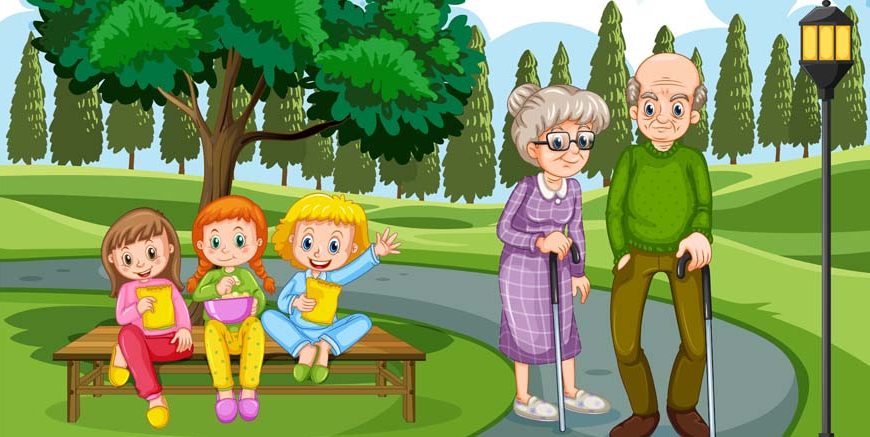
Turning numeracy into an engaging game instantly solves that frustration. When numbers carry a brisk beat, silly words, and physical movements, memorisation happens on its own without pressure. That is precisely why this old man lyrics have remained a nursery staple for generations: the verses hook onto a child’s natural love for rhythm and turn basic counting from one to ten into a cheerful family game.
Lyrics Of This Old Man Nursery Rhyme
This old man, he played one,
He played knick-knack on my thumb;
With a knick-knack paddywhack,
Give the dog a bone,
This old man came rolling home.
This old man, he played two,
He played knick-knack on my shoe;
With a knick-knack paddywhack,
Give the dog a bone,
This old man came rolling home.
This old man, he played three,
He played knick-knack on my knee;
With a knick-knack paddywhack,
Give the dog a bone,
This old man came rolling home.
This old man, he played four,
He played knick-knack on my door;
With a knick-knack paddywhack,
Give the dog a bone,
This old man came rolling home.
This old man, he played five,
He played knick-knack on my hive;
With a knick-knack paddywhack,
Give the dog a bone,
This old man came rolling home.
This old man, he played six,
He played knick-knack on my sticks;
With a knick-knack paddywhack,
Give the dog a bone,
This old man came rolling home.
This old man, he played seven,
He played knick-knack up in heaven;
With a knick-knack paddywhack,
Give the dog a bone,
This old man came rolling home.
This old man, he played eight,
He played knick-knack on my gate;
With a knick-knack paddywhack,
Give the dog a bone,
This old man came rolling home.
This old man, he played nine,
He played knick-knack on my spine;
With a knick-knack paddywhack,
Give the dog a bone,
This old man came rolling home.
This old man, he played ten,
He played knick-knack once again;
With a knick-knack paddywhack,
Give the dog a bone,
This old man came rolling home.
Read More – Bedtime Stories for Kids
Key Vocabulary Your Child Picks Up
- Knick-knack: An old British colloquial term for a rapid, tapping percussive beat produced with spoons or wooden sticks.
- Paddywhack: A traditional expressive folk phrase that mimics the sudden, lively sound of a drum snap or slapping rhythm.
- Give a Dog a Bone: An enduring idiomatic phrase reminding listeners to show warmth, charity, and goodwill toward someone working hard.
- Anatomy Words: The verses point directly to specific body parts, such as the thumb, knee, and spine, prompting toddlers to build body awareness.
- Sight Words: Everyday grammatical connectors like this, he, on, with, and the repeat dozens of times across the verses, helping toddlers recognise common speech patterns before formal schooling begins.
How the Verse Builds Foundational Skills
- Ordinal Number Sense: Chanting the sequence from one through ten within a musical measure helps children grasp relative order. They learn that three naturally follows two and precedes four, rather than reciting digits like a dry telephone number.
- Gross and Fine Motor Coordination: Performing the hand taps on a thumb or bending over to reach a knee bridges verbal commands with physical movement.
- Speech Cadence and Articulation: Repeating the brisk consonant pairings in “knick-knack” and “paddywhack” exercises tongue flexibility and lip control, helping toddlers who tend to clip their ending sounds.
- Working Memory Stamina: Following an extended ten-verse narrative builds cognitive endurance and shows young learners that ideas progress step by step toward a satisfying finish.
Read More – Fun Literacy Activities for Preschoolers
Conclusion
Children do not build a secure understanding of the world through silent drills or hurried testing. They flourish when curiosity feels like a game and when parents join them on the floor to sing, laugh, and move. Long-standing nursery verses remain powerful because they respect how early brains actually grow: through joy, human interaction, and musical repetition.
If you want further creative ideas to enrich your child’s early milestones at home, explore the insightful parenting guides on the EuroKids Blog, or visit your local centre to take the next step with your EuroKids Preschool Admission.
Frequently Asked Questions
1. What age group enjoys this counting song most?
Toddlers and preschoolers between two and five years old gain the most from the song, using its predictable cadence to learn numbers and coordinate physical actions.
2. What does “knick-knack” actually mean in the song?
In traditional British folk terminology, a knick-knack meant a clicking rhythm produced by striking two bones, sticks, or spoons together in time with a tune.
3. How does this rhyme support early math readiness?
Singing the numbers in a strict ascending sequence helps young children understand numerical order and quantity relationships long before they begin writing digits.
4. Why do nonsense folk words appeal to young toddlers?
Rhythmical nonsense words like paddywhack highlight phonetic sounds without demanding heavy analysis, letting children focus entirely on articulation and musical rhythm.