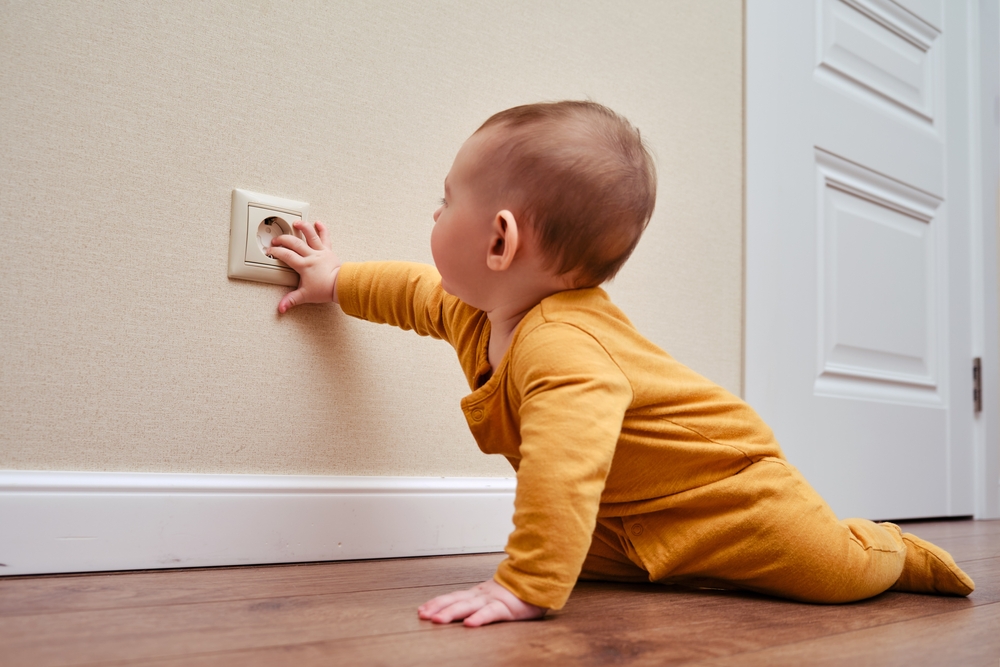
Watch a toddler closely and you will notice something beautiful. They point at a plate and smile, they tap on a window, they stack blocks again and again. What they are really doing is discovering the world through shapes for kids. Long before children learn numbers or letters, they begin to notice round, straight, big, and small forms around them.
For toddlers between two and four years old, learning shapes is not a classroom task. It happens naturally through play, touch, movement, and conversation. A ball becomes a circle, a book looks like a rectangle, and a slice of bread turns into a square. These everyday moments are powerful learning opportunities.
This blog explores fun ways to teach shapes to 2-4 years old toddlers using play, stories, art, and daily routines. It explains why shapes matter, how children learn best at this age, and how parents and early learning environments can gently introduce basic shapes for kids without pressure. The goal is simple: make learning joyful, meaningful, and full of curiosity.
Why Teaching Shapes Between 2-4 Years Is Important
Teaching children shapes during the toddler years supports overall brain development. When children learn to recognise and name shapes, they are building observation skills, memory, and early reasoning abilities. These skills form the foundation for future maths, reading, and problem-solving.
Understanding different shapes also helps toddlers describe the world around them. When they learn the names of shapes, they gain new words and confidence in expressing themselves. A child who can say “This is a circle” feels proud of their learning.
Emotionally, recognising shapes builds independence. Toddlers love naming what they see, and each correct response boosts self-esteem. Learning shapes at this age is not about perfection but about exploration and enjoyment.
How Toddlers Learn Shapes Best
Toddlers learn differently from older children. They learn through movement, repetition, and real-life experiences. Sitting still and memorising does not work for this age group. Instead, they learn when they touch, feel, see, and talk.
Repetition is key. A toddler may hear the word “circle” many times before remembering it. This repetition builds familiarity and comfort. Visual support also plays an important role. Seeing names of shapes with pictures helps toddlers connect words with images.
Most importantly, toddlers learn best when they feel safe, encouraged, and free to explore at their own pace.
Read More – Creative Shape Crafts for Preschool Children
Introducing Basic Shapes for Kids
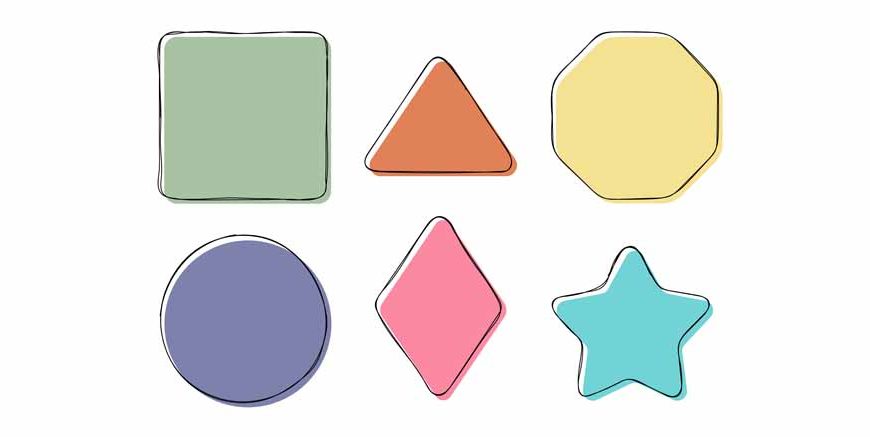
The first step in shape learning is introducing basic shapes for kids. These usually include circle, square, triangle, and rectangle. These shapes are easy to recognise and appear frequently in everyday life.
A circle can be found in wheels, plates, and balls. A square appears in tiles and cushions. A triangle can be seen in roof tops and toys. A rectangle shows up in books and doors. Pointing out these shapes during daily routines helps toddlers learn naturally.
Introducing types of shapes slowly ensures children do not feel overwhelmed. One or two shapes at a time is more than enough at this stage.
Read More – Creative Shape Crafts for Preschool Children
Names of Shapes Toddlers Learn First
Learning the names of shapes helps toddlers build language skills. Saying the shape name aloud, repeating it during play, and encouraging toddlers to try saying it helps with pronunciation and memory.
Toddlers usually learn simple shape names first because they are easy to say and recognise. Using clear words and repeating them during fun activities makes learning effortless. Picture books and toys with clear shape visuals support this learning, especially when names of shapes with pictures are used together.
This stage is not about testing children but about letting them enjoy recognising and naming shapes in their own way.
Different Types of Shapes Explained Simply
As toddlers grow more confident, they begin noticing different types of shapes. Some shapes are flat, like circles and squares drawn on paper. Others are solid, like balls and blocks that can be held.
At this age, children do not need complex explanations. Simply showing the difference through play is enough. A flat circle on paper and a round ball help toddlers understand shape differences naturally.
Introducing geometric shapes names gently prepares children for future learning without making it feel academic.
Read More – 2D Shapes To Preschoolers With Fun Activities
Name of the All Shapes Toddlers Commonly See
Parents often wonder about the name of all the shapes their child should know. The answer is simple. Toddlers do not need to learn every shape. They only need exposure to common shapes they see daily.
Toys, books, puzzles, and household objects provide plenty of shape examples. Recognising different shapes matters more than memorising names. With time, familiarity grows, and learning becomes effortless.
Read More – Musical adventures with shapes for preschoolers
Fun Ways to Teach Shapes Through Play at Home
Play is the most effective way to teach shapes for kids. Building blocks, sorting toys, and puzzles naturally introduce shape concepts. When toddlers stack blocks or fit shapes into matching holes, they are learning without realising it.
Parents can join the play and talk about shapes casually. Saying “You picked the square block” or “This toy is round” reinforces learning. These moments strengthen both understanding and parent-child bonding.
Learning Shapes Through Art and Craft Activities
Art activities are excellent for teaching childrens shapes. Drawing circles with crayons, sticking shape cut-outs, or stamping shapes using household items helps toddlers remember shape names.
When children create shapes with their hands, they form a deeper connection with what they are learning. Talking about the names of shapes during art time supports both creativity and language development.
Read More – Leaf Shapes and Textures with Preschoolers
Teaching Shapes Through Songs, Stories, and Rhymes
Songs and stories make learning memorable. Rhymes about circles, squares, and triangles stay in a toddler’s mind longer than instructions. Singing together and pointing to shapes while singing builds strong associations.
Stories where shapes become characters help toddlers imagine and remember. This playful approach supports basic shapes for kids in a fun and engaging way.
Learning Shapes Through Everyday Activities
Some of the best learning moments happen naturally. During mealtime, parents can talk about the shape of plates or fruits. During bath time, bubbles become circles. During walks, road signs introduce different shapes.
When learning is part of everyday life, toddlers feel relaxed and curious. There is no pressure to perform, only joy in discovery.
How Visual Learning Helps Toddlers Recognise Shapes
Visual learning plays a major role in toddler development. Picture books, flashcards, and posters with names of shapes with pictures help children remember shapes more easily.
Bright colours and clear images attract attention and improve memory. Visual exposure combined with conversation strengthens understanding and recall.
Common Challenges Toddlers Face While Learning Shapes
Every child learns at their own pace. Some toddlers may confuse similar shapes like squares and rectangles. Others may lose interest quickly.
These challenges are normal. Comparing children or forcing learning can reduce confidence. Gentle repetition, patience, and encouragement are key to overcoming these phases.
When to Introduce Geometric Shapes Names
Parents often ask when to introduce geometric shapes names beyond basic ones. The answer depends on the child’s interest and readiness. Around age four, children may start noticing more shapes naturally.
Early exposure should always remain playful. The goal is familiarity, not mastery. Let curiosity guide learning.
Why Shape Learning Is Part of Early Maths Skills
Learning types shapes supports early math skills. Shapes help children understand space, size, and patterns. These concepts later connect to counting, sorting, and problem-solving.
Shape recognition also supports logical thinking and prepares children for structured learning environments.
How EuroKids Makes Learning Shapes Fun and Meaningful
At EuroKids, learning shapes is part of a joyful, play-based experience. Classrooms are designed to encourage exploration, interaction, and curiosity.
Children learn shapes for kids through hands-on activities, stories, games, and guided play. Teachers observe each child’s pace and support learning without pressure, ensuring a positive experience.
The HEUREKA Curriculum at EuroKids
The HEUREKA Curriculum focuses on experiential and play-based learning. It encourages children to learn by doing, exploring, and interacting with their environment.
Shapes are introduced through activities that support motor skills, language development, and cognitive growth. This approach ensures that learning different shapes becomes meaningful rather than mechanical.
The curriculum nurtures curiosity and builds a strong foundation for future learning.
Role of Teachers in Teaching Shapes to Toddlers
Teachers play an important role in guiding shape learning. They observe children’s interests, introduce shapes naturally, and encourage participation.
Positive reinforcement and gentle guidance help toddlers feel confident. Teachers also communicate with parents to support learning at home.
FAQs: Teaching Shapes to 2-4 Years Old Toddlers
What age should toddlers start learning shapes?
Toddlers can begin recognising shapes from around two years through play and observation.
How many shapes should a toddler know?
Knowing a few basic shapes for kids like circle and square is enough at this age.
How do pictures help in learning shapes?
Pictures support memory and make names of shapes easier to understand.
What if my child is not interested in shapes?
Interest develops over time. Keep learning playful and pressure-free.
How does EuroKids teach shapes to toddlers?
Through play-based activities, storytelling, and hands-on experiences.
Conclusion: Making Shape Learning Joyful From the Start
Learning shapes is one of the first steps in a child’s educational journey. When taught through play, stories, and everyday moments, shapes become fun and familiar rather than difficult.
A nurturing learning environment plays a crucial role in this journey. EuroKids Admission offers toddlers a warm, engaging space where curiosity is encouraged and learning happens naturally. With caring educators and the HEUREKA Curriculum, EuroKids helps children build strong foundations in early learning while enjoying every step of discovery.