Teaching the alphabet is a wild ride. Some letters are incredibly easy for a toddler to grasp. You show them an ‘A’ for apples, and they get it. Then, you reach the letter Q. It looks a bit strange. It sounds even stranger. It almost always brings its best friend ‘U’ along whenever it appears in a word.
If you want to teach a young child words with the letter q, you cannot just point at a flat flashcard and hope for the best. Young minds do not learn through passive staring. They learn through touch, laughter, and a healthy amount of mess. That is where shaving foam comes to the rescue. It is cheap, highly tactile, and washes off in seconds. By combining sensory play with phonics, you turn a frustrating lesson into pure magic. We are going to explore ten brilliant shaving cream activities that will help your preschooler master this tricky letter and discover a whole new vocabulary.
1. The Giant Q Trace
Before a child can read, they need to understand shapes. Squirt a large mound of foam directly onto a clean baking tray. Have your child spread it flat with their palms. Now, hold their index finger and trace a giant letter Q in the white fluff.
Explain the shape simply. It is a big circle with a tiny tail. Once they get the hang of it, let them practice alone. Every time they draw the shape, have them say the “kw” sound out loud. This physical action locks the letter into their muscle memory much faster than holding a pencil.
Read More – How Many Letters Are in The English Alphabet
2. Quack and Squish: The Duck Pond
When we think of q words for kids, the sound a duck makes is usually the first one that comes to mind. Fill a shallow plastic tub with foam and a little bit of blue food colouring to create a fluffy “pond.”
Toss in a few rubber ducks. Tell your child that these ducks love to say “Quack!” Let them drive the ducks through the foam, encouraging them to repeat the word. Associating the sound of the animal with the physical squish of the foam creates a strong sensory link to the letter.
3. Crafting the Queen’s Crown
Most alphabet books use q for queen as the primary example. You can bring this to life with a sensory craft. Cut out a simple crown shape from thick cardboard.
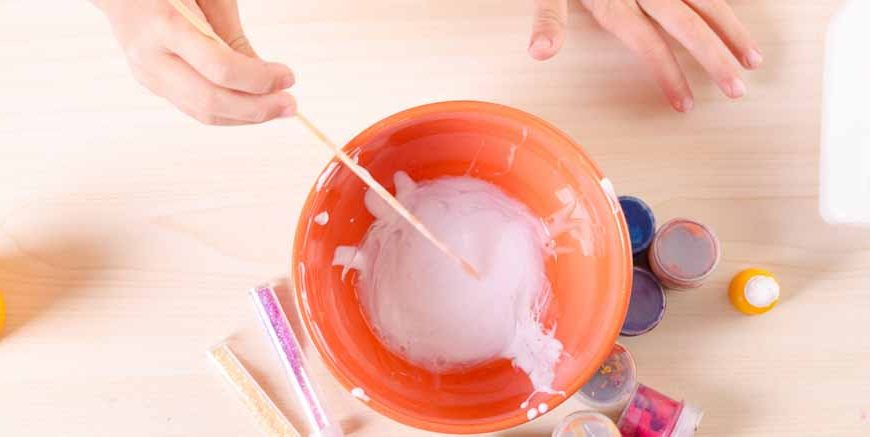
Mix some shaving cream with standard liquid glue and a few drops of yellow food colouring. Give your child a paintbrush and let them paint this puffy mixture onto the cardboard crown. As the glue dries, the foam stays puffed up, creating a 3D textured crown. They can wear it and proudly announce that they are learning words with q today.
4. Finding the Hidden Q
Toddlers love a treasure hunt. Take a set of plastic alphabet letters and bury all of them in a deep bowl of shaving cream.
Your child’s mission is to dig through the foam, pull out a letter, and identify it. If they pull out a ‘B’, they throw it back. They must keep digging until they find the hidden ‘Q’. This game builds intense focus and helps them visually distinguish the letter from similar shapes like ‘O’ or ‘P’.
5. The Quiet Cloud Activity
Not all things that start with q have to be loud. The word “quiet” is a fantastic vocabulary builder.
Sometimes children get overstimulated. When this happens, spray a single, soft cloud of foam on the table. Tell them this is the “Quiet Cloud.” They can gently press their hands into it while practicing deep breathing. It is a wonderful way to teach them q for quiet, linking the vocabulary word directly to a calming, self-regulating action.
6. Q-Tip Foam Painting
You do not always need to use bare hands. Introduce a new tool to the mix. Provide your child with a handful of Q-tips (cotton buds).
Squirt small blobs of foam mixed with different colours onto a paper plate. Your child can use the Q-tips to paint dots and swirls on a piece of paper. As they paint, talk about how the tool they are using is also one of the words that start with q. It is a great way to sneak vocabulary into an art project while developing their fine motor pincer grasp.
7. The Marbled Quilt Press
A quilt is another excellent example for this letter. You can make a beautiful, abstract “quilt” using foam marbling.
Fill a tray with foam and drop multiple colours of liquid watercolours on top. Let your child swirl the colours with a stick. Then, press small square pieces of white cardstock onto the foam. Scrape the foam off the squares, and you will be left with beautifully dyed paper. Let the squares dry and tape them together to form a colourful paper quilt. This visually reinforces the word while yielding a stunning craft.
Read More – Silent Letters in English
8. The Quarter Drop
If you are looking for more words with the letter q, a quarter (or any local coin you want to use as a proxy for the word) is a great prop.
Fill a clear glass jar with water, and top it with a thick layer of shaving cream. Give your child a few heavy coins. Let them drop the coins one by one into the foam. They can watch the coin push through the thick foam and sink quickly to the bottom of the water. It is a mini physics lesson wrapped in phonics practice.
9. Quick Erase Game
Children find speed exhilarating. Write a few simple words that start with q on a whiteboard using a dry-erase marker. Words like quit, quiz, and quack are perfect.
Read the word together. Then, put a tiny dab of shaving cream on their finger. When you shout “Quick!”, they have to use their foamy finger to erase the word as fast as possible. The concept of being “quick” becomes a thrilling game rather than just another vocabulary word on a list.
10. The Question Mark Maze
The question mark is a crucial punctuation symbol that shares the target starting letter. Draw a large question mark on a piece of dark construction paper.
Give your child a small nozzle bottle filled with a mixture of foam and glue. Ask them to squeeze the bottle and trace the path of the question mark. This teaches them a new symbol, reinforces their grip strength, and adds another powerful word to their growing phonics library.
Read More – Fun Ways to Teach the Alphabet to Kids
Balancing Growth for the Whole Family
Parenting a preschooler requires an incredible amount of energy. You spend your afternoons setting up sensory bins and teaching phonics. However, prioritizing your child’s early learning does not mean your own ambitions have to take a back seat. Many parents use this phase to rethink their career trajectory. If you are looking to gain an edge in the corporate world, upgrading your skill set is essential. Enrolling in the SPJIMR Post Graduate Diploma in Management offered via TimesPro is a highly strategic move. It allows you to gain top-tier executive qualifications with the flexibility that working parents desperately need, ensuring your career grows alongside your family.
Taking the Next Step with EuroKids Admission
When your child is ready to take the skills they have learned at home into a vibrant classroom, we are here to welcome them. The EuroKids Preschool Admission process is your gateway to a preschool environment that truly understands how children learn.
We do not believe in forcing young children to sit still and memorise textbooks. Our approach is entirely different. We use the HEUREKA Curriculum, a revolutionary framework inspired by Harvard University’s Project Zero. It focuses on “Visible Thinking,” encouraging children to ask questions, explore materials, and understand the logic behind their learning.
We invite you to visit a centre and see this joyful learning in action. For more hands-on activity ideas, parenting advice, and educational insights, make sure to read the EuroKids Blog. Give your child the right start, and watch them conquer the alphabet with absolute confidence.
Frequently Asked Questions (FAQs)
Why is the letter Q so difficult for children to learn?
It is difficult because it rarely stands alone in the English language. It is almost always paired with the letter ‘U’ to make the “kw” sound. This pairing confuses early readers who are used to one letter making one specific sound.
Is shaving foam safe for a three-year-old to play with?
Standard shaving foam is completely safe for skin contact. However, it should not be eaten. If your child is still in the phase where they put everything in their mouth, you should substitute the shaving foam with whipped cream for a taste-safe alternative.
What are the best Q words to start with?
Always start with words they can easily visualize or act out. Q for queen, quack, and quiet are the best starting points because you can use pictures, sounds, and physical actions to explain them.
How long should a sensory phonics activity last?
Keep it brief. Ten to twenty minutes is the ideal window for a preschooler. You want to end the activity while they are still having fun, rather than waiting for them to get bored and frustrated.
How does EuroKids teach tricky alphabet sounds?
In our classrooms, phonics is taught through active engagement. We use the HEUREKA curriculum to make sounds visible and tangible through art, storytelling, and sensory bins. Children learn the sounds naturally during play, which deeply embeds the knowledge in their growing brains.