Creating a safe and healthy environment at your preschool franchise should always be your top priority, especially in India, where preschool education, be it daycare centres, nursery schools, or Montessori programs, is relatively new and evolving. Moreover, providing a secure preschool environment is not only essential for children’s physical, emotional, and social development but also crucial for reinforcing your business’s credibility. In this article, we’ll explore key health and safety guidelines for preschools and share actionable steps for implementing them effectively in your facility.
Key Health and Safety Guidelines Every Preschool Must Follow
Young children are more vulnerable to accidents and illnesses. Therefore, playschool owners must ensure that all health and safety guidelines for playschools are adhered to. Here are some common health and safety guidelines for playschools:
1. CCTV Surveillance and Safety Monitoring
All school premises are equipped with CCTV cameras to ensure constant supervision and a secure environment. The system is accessed only by authorised staff and helps quickly identify and respond to any situation. This continuous monitoring strengthens safety measures, prevents unauthorised access, and gives parents peace of mind, knowing their children are always protected and cared for.
2. Childproof Your Playschool
Children love to explore by touching and tasting objects. Therefore, to prevent accidents and provide a safe learning environment, you childproof your playschool. You can do that by:
- Covering sharp corners
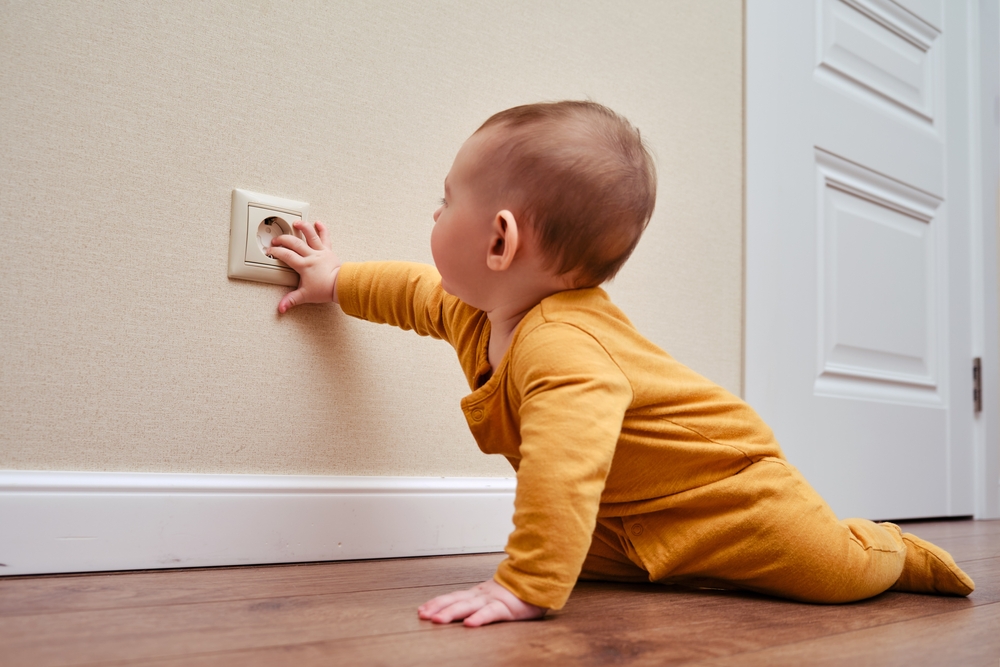
- Keeping electrical connections out of reach
- Using non-slippery flooring
- Having non-toxic toys
- Keeping dangerous items like scissors and hazardous materials out of reach
3. Appropriate Adult-to-Child Ratio
An adult-to-child ratio is the number of adults present in a classroom compared to the number of children. This ratio is commonly used in preschools to determine how many supervisors a classroom needs. A proper adult-to-child ratio ensures that each child is supervised and cared for. Besides getting the adult-to-child ratio right, preschool owners must get the right people for the position. A well-trained and experienced staff pay close attention to children’s physical, emotional, and mental safety.
4. Emergency Preparedness
You must ensure that your preschool has emergency plans for fires or other hazards. Regular fire drills and emergency evacuation practices should be conducted to prepare both children and staff for unexpected situations. These drills instil confidence and teach children how to respond calmly and effectively during emergencies. A well-rehearsed evacuation plan can save lives and reduce panic in critical situations.
Moreover, all staff members should be trained in basic first aid and CPR (Cardiopulmonary Resuscitation) to handle medical emergencies promptly. Knowing how to respond to injuries, choking, or other health crises can make a significant difference until professional medical help arrives. Equipping staff with these skills ensures that children are always in safe hands.
5.Open Communication
Clear and transparent communication between the preschool and parents is a key feature of a safe learning environment. Schools should share guidelines, updates, and emergency information promptly, preferably using technology for real-time updates.
6. Hygiene Practices
Maintaining proper hygiene in preschools is essential to prevent illnesses and encourage good habits among children. Teachers and caregivers should ensure that children wash their hands thoroughly before and after meals and any outdoor activities. To reinforce these habits, caregivers must model good hygiene practices, setting a clear example for children. Furthermore, the kitchen and eating areas should be kept clean and sanitary at all times to minimise the risk of contamination or foodborne illnesses.
7. Clean and Safe Environment
A clean and safe learning environment is critical for maintaining children’s health and well-being. Surfaces, toys, and learning materials should be regularly cleaned, sanitised, or disinfected to prevent the spread of germs and infections. Additionally, the facility must ensure there are no stagnant water areas to prevent mosquito breeding, which could lead to disease. Moreover, all toys, furniture, and learning materials must be child-safe and meet safety standards to eliminate choking hazards, toxic materials, and sharp edges.
By implementing these health and safety measures, preschools can create a secure, nurturing, and safe learning environment for children to thrive.
Read More – How to Setup Quality Preschool Classroom
What is the Importance of a Safe Learning Environment?
A secure environment supports their physical, emotional, and social development during this critical early learning phase. When children feel safe, they can freely explore, interact, and learn, laying a strong foundation for their future growth. Here are some benefits of a safe learning environment:
- A safe and secure environment encourages children to focus on activities and engage more effectively, fostering curiosity and creativity.
- Maintaining proper hygiene and health measures lowers the risk of infections and illnesses, ensuring that children attend regularly and benefit from consistent learning experiences.
- Parents are more likely to trust a playschool that prioritises the safety and well-being of their children. This trust strengthens the school’s reputation and attracts more families to the facility.
How to Create a Safe Classroom Environment
Creating a safe and engaging classroom environment is vital for fostering young children’s learning and development. Here are some tips to set up and design an effective preschool classroom:
1. Classroom Setup
- Organise Distinct Activity Areas: Divide the classroom into clear zones, such as a reading corner, an art area, and a block-building area. This structure helps children locate materials easily, encourages independence, and makes the classroom more welcoming.
- Child-Friendly Accessibility: Place materials and resources at the child’s height, ensuring they are within reach. Avoid using high shelves or locked cabinets for items the children regularly need.
- Create a Welcoming Atmosphere: Decorate the classroom with colourful posters, children’s artwork, and engaging visuals. Rearrange furniture to create open areas where children can explore and move freely.
2. Safety Measures
- Eliminate Hazards: Keep the classroom free from sharp objects, dangerous materials, and clutter.
- Electrical Safety: Cover electrical outlets and secure cords to prevent children from accessing them.
- Check Resources: Regularly inspect toys and materials to ensure they are in good condition and safe for use.
- Emergency Preparedness: Develop and practice emergency plans, such as fire drills or medical responses.
- Cleanliness and Ventilation: Maintain a clean and well-ventilated space to minimise health risks.
3. Classroom Design
- Age-Appropriate Materials: Provide toys, puzzles, books, and learning resources that align with the children’s developmental levels.
- Diverse and Inclusive Resources: Include materials that reflect diverse cultures and backgrounds to ensure representation and inclusivity.
4. Engaging Ideas
- Child Involvement: Encourage children to participate in setting up and cleaning the classroom. This builds responsibility and ownership.
- Creative Activities: Foster creativity through art, music, and other hands-on experiences.
- Supportive Culture: Establish clear rules and celebrate each child’s unique abilities to create a positive environment.
- Play-Based Learning: Use experiential and hands-on activities to make learning fun and engaging.
5. Furniture
- Safe and Durable Choices: Use furniture with smooth edges and sturdy designs to prevent injuries.
- Child-Sized Furniture: Provide tables and chairs sized for children’s comfort and accessibility.
6. Classroom Materials
- Open-Ended Resources: Provide materials that can be used in multiple ways to stimulate creativity, such as blocks, art supplies, and sensory toys.
- Balance Active and Quiet Options: Ensure a mix of toys, puzzles, art supplies, and books to cater to varying energy levels and interests.
7. Organisation Tips
- Label and Store: Use labelled bins, shelves, and storage systems to help children locate and return materials independently.
- Colour-Coding: Organise resources using colour codes (e.g., coloured bins for different toys) for easier access.
- Clutter-Free Environment: Keep the space tidy to promote focus and calmness.
- Assign Cleaning Tasks: Involve children in maintaining the classroom by assigning simple tasks, such as putting toys away or wiping down
Read More Fun Based Learning Environment for Kids
Why EuroKids Prioritises Safety and Well-Being
At EuroKids, creating a safe and nurturing environment is a fundamental part of our educational philosophy. Every EuroKids centre follows comprehensive safety protocols designed to protect children while supporting their overall development.
- From child-friendly infrastructure and secure classrooms to trained staff and hygiene-focused practices, every aspect of the preschool experience is carefully planned. Our commitment extends beyond physical safety to emotional well-being, ensuring children feel valued, respected, and confident as they explore and learn. Through our child-centric approach, modern facilities, and continuous staff training, EuroKids creates an environment where children can thrive while parents enjoy complete peace of mind.
Conclusion
In conclusion, following these health and safety guidelines for playschools and tips can create a safe and stimulating preschool environment for young minds. Creating a safe and healthy preschool environment is one of the most important responsibilities of any preschool franchise owner. Strong health and safety practices not only protect children but also create the foundation for effective learning, emotional growth, and positive parent relationships. From childproofing classrooms and maintaining hygiene standards to implementing emergency preparedness plans, every measure contributes to a secure and nurturing environment. By prioritising safety, preschool owners can build trust, strengthen their reputation, and create meaningful learning experiences that support every child’s development. A safe preschool is not just a place of learning, it is a place where children can confidently grow, explore, and flourish.
If you are planning to start a preschool and are confused between a franchise school and a non-franchise school, check out our blog- Benefits Of Preschool Franchise Vs Non-Franchise Schools to make an informed decision. And if you opt for a franchise preschool, visit EuroKids Preschools, a trusted brand with a legacy of nurturing young minds.
Frequently Asked Questions
1. Why is safety important in a preschool environment?
Safety is essential because it protects children from injuries, supports healthy development, and creates an environment where children can learn and explore confidently.
2. What is the ideal adult-to-child ratio in a preschool?
The ideal ratio varies depending on age groups and local regulations, but lower ratios generally provide better supervision and personalised care.
3. How often should preschool classrooms be sanitised?
High-touch surfaces, toys, and learning materials should be cleaned and sanitised regularly, with daily cleaning schedules implemented throughout the facility.
4. What emergency preparations should preschools have?
Preschools should conduct fire drills, maintain evacuation plans, keep first aid kits accessible, and ensure staff are trained in emergency response procedures.
<5. How does EuroKids ensure child safety?
EuroKids follows strict safety protocols, including child-friendly infrastructure, trained staff, hygiene standards, CCTV monitoring, and comprehensive emergency preparedness measures to ensure a secure learning environment.