Every parent wants their child to learn with ease, not pressure. Yet in the rush to teach letters, numbers, and skills, the smallest building blocks of learning often get overlooked. One of the most powerful of these is colour. Before your child can read a word or count aloud, colour becomes their first way of understanding, sorting, and making sense of the world around them.
Among the many colours children encounter, orange naturally draws attention. It appears in everyday moments that feel familiar and comforting, from a morning fruit bowl to a favourite toy or a glowing evening sky. The orange colour creates feelings of warmth, energy, and safety, which is why children respond to it so easily. Teaching your child about orange colour things does not need formal lessons or memorisation. It grows through observation, conversation, and playful discovery.
This blog guides you through why orange plays such an important role in early childhood, how children learn colours step by step, and how simple orange objects in daily life support language, confidence, and cognitive development. It also explains how structured early learning environments help children strengthen these concepts in a way that feels natural and enjoyable.
Why Colour Learning Matters in Early Childhood
Colour learning does far more than help children identify shades. It builds the foundation for how children categorise, compare, observe, and communicate. When your child learns colours, the brain begins organising visual information efficiently. This ability later supports reading readiness, mathematical thinking, and problem solving.
Children recognise colours before they name them. Visual memory develops early, and repeated exposure helps the brain connect objects with language. When you consistently point out things of orange colour, your child learns to associate words with visual cues. This association strengthens vocabulary naturally without pressure.
Colour learning also shapes emotional responses. Bright colours stimulate attention and engagement. Soft exposure encourages calm focus. Orange sits perfectly between excitement and comfort, which makes it ideal for early learning spaces and activities.
Understanding the Colour Orange and What It Represents
The orange colour combines the warmth of red with the brightness of yellow. For young children, this balance creates feelings of energy without overstimulation. Developmental psychologists often associate orange with enthusiasm, creativity, friendliness, and emotional warmth.
Children respond instinctively to orange because it feels approachable. It invites interaction. It encourages movement and expression. This makes orange colour items especially effective in play-based learning environments.
From an educational perspective, orange supports social interaction. Children feel encouraged to participate, speak, and explore when surrounded by colours that feel positive and welcoming. This explains why many learning tools, toys, and classroom visuals include orange thoughtfully.
Read More – Colour Identification Games for Preschoolers
How Children Learn Colours and Why Repetition Builds Confidence
Children learn colours through repeated, meaningful exposure rather than memorisation. Recognition comes first. Naming follows later. When your child sees the same colour across different objects and contexts, the brain forms stronger connections.
For example, when your child sees an orange fruit, an orange toy, and an orange book illustration, the brain links these experiences together. Over time, your child confidently identifies orange colour things without hesitation.
Repetition does not mean drilling. It means gently naming colours during daily routines. When learning feels natural, children stay curious instead of anxious. Confidence grows when children feel safe exploring without correction or pressure.
Everyday Orange Objects Your Child Already Knows
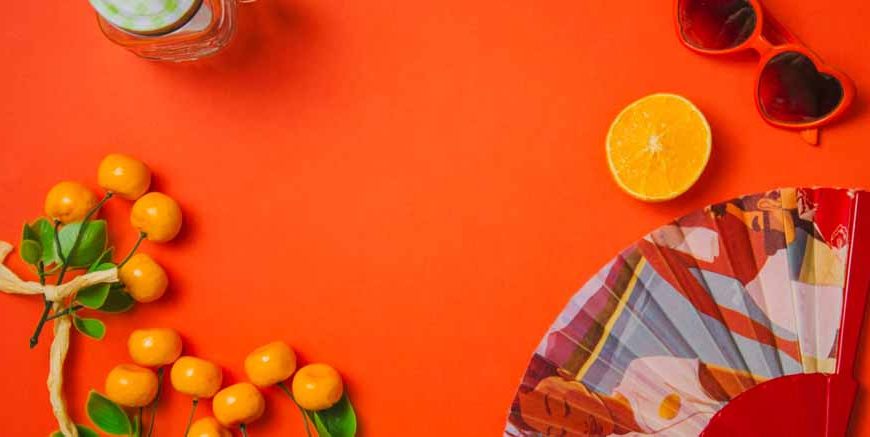
You do not need to search hard to find orange objects around your child. They already exist in everyday life. Fruits like oranges and carrots, toys, balls, school bags, traffic cones, flowers, and festive decorations all introduce orange naturally.
When you name these objects casually, learning happens effortlessly. Snack time becomes a colour lesson. Outdoor walks become observation exercises. Playtime becomes discovery.
The key lies in connection. Instead of asking questions repeatedly, describe what you see. “That is an orange ball.” “Your carrot is orange.” These simple statements build familiarity without demanding responses.
Read More – Color Activities for Preschoolers
Teaching Orange Colour Through Food Experiences
Food offers one of the richest sensory learning opportunities for children. When children eat, they see, touch, smell, and taste simultaneously. This multi-sensory engagement strengthens memory far more than visual learning alone.
Introducing orange colour items through food makes learning enjoyable and meaningful. Oranges, papaya, pumpkin, carrots, sweet potatoes, and mangoes help children associate colour with real-world experiences.
When you talk about colour during meals in a relaxed way, children absorb information naturally. Avoid turning meals into lessons. Let curiosity guide the conversation. This approach builds positive emotional connections with learning.
Exploring Orange Colour in Nature and the Outdoors
Nature introduces children to colours in their purest form. Sunsets, autumn leaves, flowers, butterflies, and soil tones expose children to things of orange colour beyond indoor spaces.
Outdoor exploration strengthens observation skills. When children notice colour changes in nature, they begin understanding patterns, seasons, and variation. This awareness supports early scientific thinking. Walking outdoors together creates opportunities for calm conversation. Naming colours during these moments helps children connect learning with emotional security and shared experiences.
Creative Play and Art Activities Using Orange
Art encourages expression, experimentation, and confidence. When children paint, draw, or model clay using orange, they explore creativity without fear of mistakes.
Using orange colour things in art allows children to experiment with mixing colours, controlling movements, and expressing emotions. These activities support fine motor skills and self-regulation.
Focus on the process rather than the result. When children feel free to explore, learning deepens naturally. Art becomes a safe space where colour turns into communication.
Read More – How Colours Affect Learning and Mood of Children
Storytelling and Language Development Through Colours
Stories play a powerful role in early language development. Picture books introduce colours through visuals, characters, and context. When you point out orange objects in stories, children connect words with images.
Asking open-ended questions encourages language growth. Instead of testing knowledge, invite description. “What colour is the fruit?” or “Can you find something orange?” supports confidence and communication. Over time, colour vocabulary strengthens sentence formation and storytelling ability. Language grows organically when children feel heard and encouraged.
Read More – Short Moral Stories for Kids in English
Structured Colour Learning in Early Education
Home exposure builds familiarity, but structured learning deepens understanding. Preschools introduce colour through guided activities, collaborative play, and age-appropriate challenges.
At EuroKids, educators design learning experiences that encourage exploration and curiosity rather than rote instruction. Children interact with orange colour items across play zones, art spaces, and storytelling corners.
EuroKids follows the Heureka Curriculum, which supports discovery-based learning and helps children connect everyday experiences with structured understanding in a developmentally appropriate way.
How You Can Reinforce Colour Learning at Home
Your role remains central in reinforcing learning. Children learn best when school experiences connect with home routines. Simple habits make a lasting impact.
Talk about colours while dressing, shopping, cooking, or playing. Celebrate curiosity rather than correctness. Let learning feel shared rather than instructed. Consistency builds confidence. When children hear the same words across environments, understanding strengthens naturally.
Conclusion
Teaching your child about orange colour goes beyond naming a shade. It nurtures observation, communication, emotional awareness, and confidence. When learning feels natural and joyful, children develop a lifelong love for discovery.
EuroKids supports this journey by creating learning environments where children explore colours, concepts, and creativity meaningfully. If you are considering early education that values curiosity and holistic development, EuroKids Admission opens the door to structured yet joyful learning experiences. Explore the EuroKids Blog for more insights that support your parenting journey with clarity and trust.
Frequently Asked Questions
1. Why should children learn colours early?
Colour learning strengthens memory, language, observation, and emotional understanding during critical developmental years.
2. At what age do children recognise colours like orange?
Most children begin recognising colours between 18 months and 3 years, depending on exposure and interaction.
3. Do colours influence a child’s emotions?
Yes. Colours like orange promote warmth, enthusiasm, and social engagement in young children.
4. How does preschool support colour learning?
Preschools use structured activities, guided play, and repetition to deepen understanding beyond home exposure.