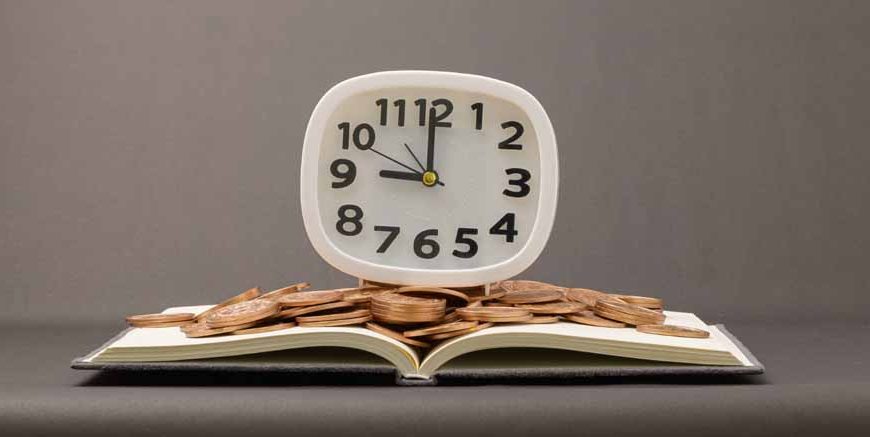
Look at a ticking clock hanging on the wall. Tick, tock, tick, tock. It never stops to take a breath, does it? Every single second that passes by is a second we can never, ever get back. Adults often use a very famous proverb to explain this relentless forward motion to children: time is money. But what does this actually mean to a young mind? Does a clock suddenly spit out shiny pound coins? Not quite! It means that the hours and minutes we are given each day are incredibly valuable, just like the coins sitting safely inside a ceramic piggy bank.
If a child needs to write a school assignment about this famous proverb, they might wonder how to explain such a massive, abstract concept in simple words. Let us break down exactly how to craft a well-structured essay about the immense value of our ticking clocks, tailored perfectly for primary school students.
The Core of a Time is Money Essay
To write a brilliant time is money essay, a child first needs to understand the comparison. Try explaining it to them using a real-world example.
If you drop a shiny 50p coin on the pavement and lose it, you might feel a bit sad. However, you can always save up your pocket money and find another coin next week. Money can be replaced. However, if you waste a whole Saturday afternoon staring blankly at the ceiling instead of playing outside, finishing a puzzle, or reading a fantastic book, that afternoon is gone forever. You cannot buy it back, borrow it from a friend, or save it in a glass jar for later. Writing about this topic helps young students realise that how they actively spend their minutes directly affects their future success, knowledge, and happiness.
Read More – Essay on Health Is Wealth for Kids
10 Lines on Time is Money (Class 1)
For the youngest learners, keeping thoughts short, crisp, and numbered is the absolute easiest way to write. Here are ten simple lines that perfectly capture the main idea for a Class 1 student:
- Time is the most valuable and precious thing in the entire world.
- Once a minute passes by, it never comes back to us again.
- The famous proverb time is money means we should never waste our hours.
- If we lose a toy or a coin, we can always buy a brand-new one later.
- But if we lose our time doing nothing, it is lost forever.
- Successful people always use their days very wisely to learn and grow.
- Waking up early in the morning helps us get a lot of good work done.
- A good student must always finish their daily homework on time.
- Being punctual and not keeping others waiting shows great respect.
- We must spend our days doing joyful, helpful, and creative things.
Stepping Up: A Time Is Money Paragraph (Class 2)
As children move into Class 2, they no longer need to rely on numbered lists. They can weave their thoughts together into a flowing narrative. A good “time is money” paragraph should flow smoothly from the introduction to the conclusion.
Here is a fantastic example for an eight-year-old:
“The famous phrase time is money teaches us a brilliant lesson about the true value of our lives. Just as we are careful not to throw our pocket money away on silly things, we must be careful not to throw our hours away on bad habits. Every single day, we wake up with a fresh twenty-four hours in our invisible bank account. We can choose to spend those hours wisely by studying hard, playing healthy outdoor games, and helping our parents around the house. Or, we can waste them by being lazy. Because we absolutely cannot rewind the clock, we must make sure every minute counts towards building a bright and happy future.”
Read More – Ways to Teach Your Child About Responsibility
Taking the Stage: A Time Is Money Speech (Class 3)
By Class 3, children might be asked to stand on the assembly stage and speak in front of their peers. Delivering a time is money speech requires strong emotion, relatable examples, and a highly confident voice.
Here is a brilliant speech template:
“Good morning, respected teachers and dear friends. Have you ever noticed that a clock only moves forwards, never backwards? Today, I want to talk about the famous saying, time is money. Think about a farmer who waits too long to plant his seeds; he will eventually miss the harvest and lose his income. The exact same rule applies to us as students. If we delay our studies and waste our afternoons, we lose the golden opportunity to learn. Time is completely free, but it is also priceless. You cannot own it, but you can definitely use it. Let us all promise today to stop delaying our chores, put down our digital screens, and invest our precious hours into reading, creating, and being kind to one another. Thank you.”
Conclusion
A ticking clock is a gentle, daily reminder that our lives are constantly moving forward. When we teach a child the true meaning behind these famous words, we are not just giving them a rigid lesson in punctuality; we are teaching them to deeply respect their own potential. Time is the invisible canvas upon which we paint our entire lives. If we let the hours slip through our fingers like dry sand, we are left with nothing to show for it. But if we gather those moments and use them to learn a new skill, help a neighbour, or study for a test, we build a life of immense, unshakable value. Let us encourage our little ones to treat their days like precious treasure, spending every minute with brilliant, joyful purpose.
To uncover more insightful educational resources and guide your child toward a bright, well-managed future, explore the EuroKids Blog and discover the incredible learning pathways available through EuroKids Preschool Admission today.
FAQs
Why is time considered more valuable than money?
Because you can always earn lost money back through hard work, but even the wealthiest person on earth cannot buy back a single wasted second.
How can children efficiently practise valuing their hours?
Creating a simple, colourful daily timetable helps massively! Allocating specific hours for homework, outdoor play, and rest teaches them how to balance their day effectively.
What does the word ‘procrastination’ mean?
It is a big vocabulary word that simply means delaying or putting off a task that you should be doing right now. It is the biggest thief of our valuable time!