When the temperature drops and we start pulling out our thick woolly jumpers, the local greengrocers undergo a colourful transformation. The summer berries and tropical melons disappear from the shelves, making way for a brand new, highly vibrant harvest. Teaching young children about seasonal eating is a brilliant way to connect them with nature while ensuring they get the right vitamins to fight off those pesky cold-weather sniffles. Let us explore the delicious world of cold-weather produce and discover some fantastic vocabulary to add to your child’s daily conversations.
The Importance of Eating Winter Season Fruits
Nature is incredibly clever. It naturally provides us with exactly the nutrients our bodies need at specific times of the year. Winter season fruits are naturally packed with vitamin C and powerful antioxidants, which act as an invisible, protective shield against seasonal colds. By introducing these specific foods at the dinner table, you are not just feeding your little one; you are actively teaching them how the earth provides for us as the weather changes.
Read More – Top Monsoon Fruits and Vegetables in India
Building a Healthy Winter Season Food List
Creating a dedicated winter season food list helps families shop much smarter. Instead of reaching for imported, out-of-season produce that has travelled thousands of miles across the globe, focusing on local, seasonal options ensures the food is fresher, crunchier, and far more affordable. Sitting down with your child to write out a shopping list of seasonal treats helps them practise their spelling while getting them excited about their healthy snacks.
Our Top 10 Winter Fruits Name Guide for Kids
If you want to build your child’s vocabulary and boost their immune system at the exact same time, here is our top 10 winter fruits list, complete with fun, descriptive details to share with your little learner:
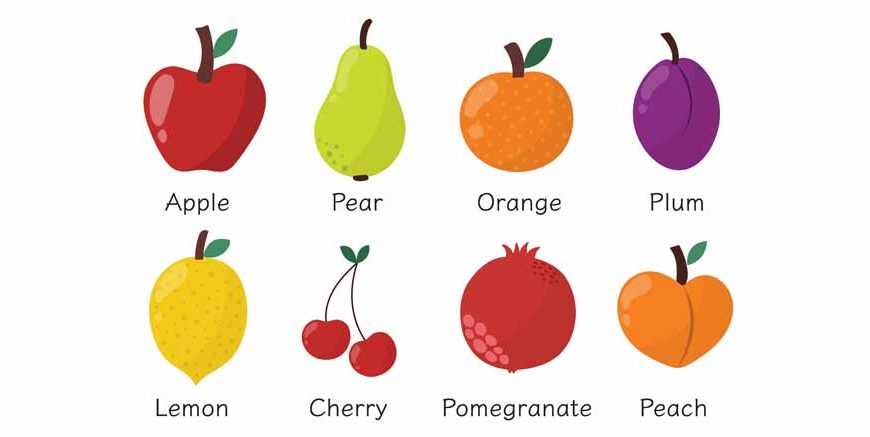
- Oranges: These bright, round spheres are the absolute superstars of the colder months. Peeling an orange releases a wonderful, zesty scent, and inside, they are bursting with sweet, tangy juice.
- Apples: While available year-round, many varieties are at their absolute crispiest right now. Ask your child to listen to the loud crunch when they take a big bite of a green Granny Smith or a sweet red Gala.
- Pomegranates: Cutting into this fruit is exactly like opening a treasure chest full of shiny red jewels. The tiny, juicy seeds inside are fantastic for snacking on or sprinkling over a warm bowl of morning porridge.
- Kiwis: They might look like fuzzy, brown potatoes on the outside, but inside they hide a bright green centre with tiny black seeds. They taste like a magical mix of strawberries and bananas.
- Grapes: Whether they are green, red, or dark purple, these small, sweet globes are brilliant for popping straight into a school lunchbox.
- Guavas: This pale green fruit has a highly unique, sweet smell. You can eat the entire thing, including the tiny seeds, and it is absolutely loaded with wonderful nutrients.
- Strawberries: Towards the very end of the frosty season, these beautiful, heart-shaped berries start making an appearance. They are fascinating to look at because they wear their tiny yellow seeds entirely on the outside!
- Papayas: A large, oval fruit with soft, orange flesh. It is incredibly gentle on tiny tummies and tastes wonderfully sweet and tropical.
- Pears: Shaped a bit like a teardrop, a ripe pear is incredibly soft and juicy. They are absolutely perfect for baking into warm winter puddings.
- Dates: These small, sticky, brown treats look a bit like wrinkled sweets. They are completely natural and give children a brilliant burst of energy for playground games.
Read More – Exploring Green Fruits for Kids
Exploring Winter Season Fruits and Vegetables
A truly balanced diet relies on a massive variety of colours and textures. While learning every winter fruits name is a great starting point, pairing them with seasonal greens makes the learning experience complete. Exploring winter season fruits and vegetables together gives your child a comprehensive picture of winter farming. For instance, while you enjoy sweet, juicy oranges for breakfast, you can also talk about the crunchy carrots, white cauliflowers, and leafy spinach growing in the cold soil for dinner. Roasting hearty root vegetables for your evening meal and having a sliced pear for pudding perfectly captures the lovely essence of winter eating.
Conclusion
To sum up, walking down the local produce aisle can be a fantastic, highly colourful classroom for your little one. Taking the time to teach them about seasonal harvesting connects their rapidly growing minds directly to the natural, rhythmic cycles of the earth. When a child clearly understands that food does not just magically appear in plastic wrappers on a shelf, but grows on tall trees and small bushes depending on the weather, they develop a profound, lifelong respect for nature and their own physical health. The next time you sit down for a quiet afternoon snack, ask your child to proudly name the treats sitting on their plate. You are quietly building brilliant habits that will nourish and protect them for an entire lifetime.
For more parenting insights and to explore joyful educational pathways, visit the EuroKids Blog and discover the brilliant opportunities awaiting your child through EuroKids Preschool Admission.
FAQs
How can I encourage my child to eat more seasonal fruits?
Make it highly visual and fun! Cut apples and kiwis into exciting shapes using a metal cookie cutter, or let your child help you thread different pieces onto a wooden skewer to make a colourful, edible magic wand.
Why are citrus fruits so common in cold weather?
Citrus trees naturally ripen during the colder months. They provide a massive, natural dose of Vitamin C, which is exactly what our human immune systems desperately need to fight off winter chills and fevers.
Can we still eat summer fruits in December?
While you can often find them in large supermarkets, they are usually imported from far away countries. They tend to be far less flavourful, slightly mushy, and much more expensive than eating what is naturally in season locally.