Grab a chunky crayon. Place the tip on a blank piece of paper and draw a smooth line that curves all the way around until it bumps right back into its own starting point. You have just drawn one of the absolute most important figures in early geometry.
For a young child, mastering this smooth, never-ending line is a massive developmental leap. It requires them to rotate their wrist and control a pencil in a completely new way. However, introducing the circle for kids is not merely an exercise in holding a pen; it is about helping them identify the hidden, structural patterns that make up their daily environment. Let us break down exactly how to teach this fundamental concept without relying on boring flashcards, using messy play and real-life exploration instead.
What is a Circle Shape?
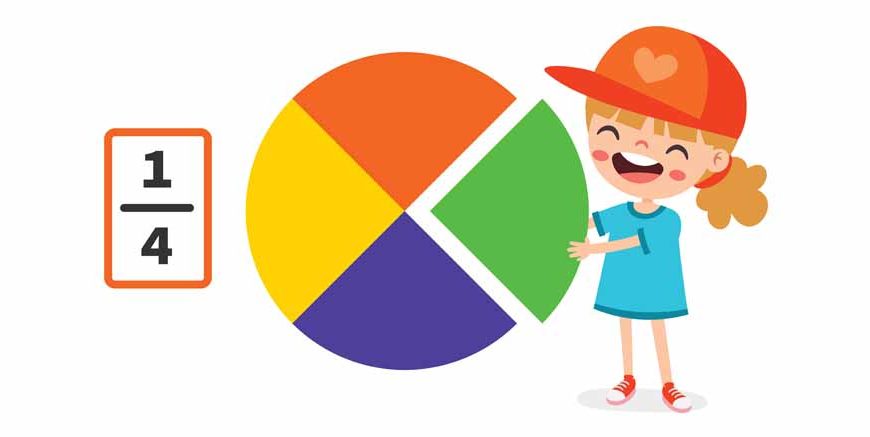
Before a child can spot a shape in the wild, they need to know its core rules. The mathematical definition of a circle shape is wonderfully simple: it is a completely round, flat 2D figure.
The most important feature to point out to your little learner is what the shape lacks. It has absolutely zero sharp corners, no pointy vertices, and no straight, rigid edges. It is one continuous, sweeping curve. If you want to get slightly technical (which some curious kids absolutely love), you can explain that every single point on that outside curved edge is the exact same distance away from the centre dot.
Read More – Geometric Shapes Name with Pictures for Kids
Circle Shape Objects
The most effective classroom for a kindergarten student is your own kitchen or garden. Children learn best by physically touching and investigating the world. Make it a habit to point out an everyday example of circle shape during your normal routine.
When you slice a fresh banana for their morning porridge, show them the tiny, yellow, round slices. The dinner plate they eat from is a massive one. Other fantastic circle shape objects include a shiny 10p coin in your purse, the ticking face of the living room clock, the rubber tyre on their favourite toy car, or the plastic buttons fastened on their school cardigan. By actively pointing out these everyday circle shape examples, you take an abstract mathematical idea and make it highly tangible and familiar.
Addressing the Confusion: Are There Types of Circle?
As your child starts hunting for shapes, they might stretch out a piece of playdough and ask if it still counts. This is the perfect moment to discuss the different types of circle variations they might encounter.
In strict maths, all true circles follow the exact same rule of being perfectly round. The only real difference between them is their size, from a tiny full stop on a page to the massive steering wheel of a bus. However, if a child squashes their playdough, it loses its perfect roundness and stretches into an oval or an ellipse.
Furthermore, if they blow up a balloon or hold a tennis ball, explain that this is a 3D sphere, which is the chunky, solid cousin of the flat 2D drawing. Gently explaining these slight differences stops them from getting confused when a shape looks a bit ‘wonky’.
Read More – Ways to Teach Shapes to Kids
Learning Through Play: Setting Up a Circle Activity
To really lock this new vocabulary into their busy brains, you need to get them moving. A brilliant, highly active circle activity is a house-wide treasure hunt. Hand your child a piece of thick string tied into a loop and challenge them to find three things in the house that fit perfectly inside the loop.
Another wonderfully messy idea is to set up a stamping station. Give them an empty cardboard toilet roll tube and a few plastic cups. Dip the rims into different shades of washable paint and let them stamp overlapping, colourful rings onto a massive sheet of old newspaper. They will quickly realise that the round bottom of a cup always leaves the exact same footprint on the page.
Conclusion
Geometry is essentially the alphabet of the visual world. When we patiently teach a young child how to identify a continuous, curving line, we are giving them the crucial lens they need to understand complex art, basic engineering, and the deep wonders of nature. It is genuinely fascinating to realise that this simple, corner-less curve is the foundational blueprint that built the wheels moving our vehicles, the cogs turning our machines, and the clocks guiding our busy days. Encourage your little ones to trace the rims of their cups and study the coins in their hands, because noticing the small details today builds the brilliant, analytical minds of tomorrow.
To dive deeper into these wonderful early learning milestones and discover a wealth of enriching parenting resources, head over to the EuroKids Blog and start your child’s brilliant journey through EuroKids Preschool Admission today.
FAQs
How do I explain the difference between a circle and an oval?
An oval looks like a circle that has been stretched out or squashed slightly. A true circle is perfectly even all the way around, like a bicycle wheel, whereas an oval looks more like an egg.
Is the sun considered a circle shape?
When we draw the sun flat on a piece of paper, yes, it is! But in real, physical space up in the sky, the sun is actually a massive, 3D sphere.
Why is drawing this shape so hard for toddlers?
It requires very advanced fine motor skills. The child must learn to smoothly pivot their wrist and connect a line without stopping, which takes a lot of physical practice and muscle memory to master.