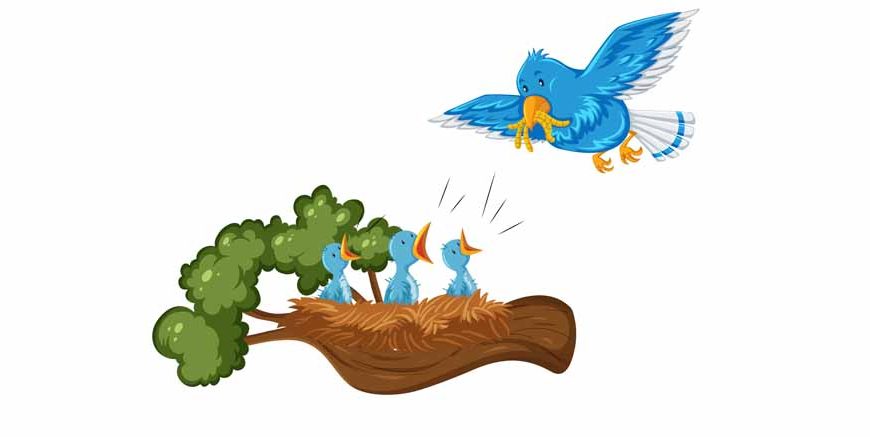
Learning about nature, animals, and birds develops observation skills, vocabulary, and curiosity from an early age. One interesting topic for young learners is birds and their young ones. For Indian parents preparing children for a global future, simple GK activities encourage learning beyond textbooks. Understanding the young ones of birds and recognising different bird families also helps children appreciate wildlife and the environment. This article includes interesting facts, a helpful list of birds and their babies, and age-appropriate GK questions for students in Classes 1, 2, and 3.
Why Should Children Learn About Birds and Their Young Ones?
Birds are found almost everywhere, from busy cities to forests, farms, lakes, and gardens. Learning about birds and their young ones helps children understand nature and develop respect for living creatures.
It also supports:
- Vocabulary development.
- Observation skills.
- Memory improvement.
- Environmental awareness.
- Confidence in answering GK questions.
These lessons make learning both educational and enjoyable.
Read More – Different Types of Birds
Common Bird Young Ones Name List
Here are some common birds and the names of their babies.
|
Bird |
Young One |
|
Hen |
Chick |
|
Duck |
Duckling |
|
Swan |
Cygnet |
|
Goose |
Gosling |
|
Pigeon |
Squab |
|
Eagle |
Eaglet |
|
Owl |
Owlet |
|
Turkey |
Poult |
|
Penguin |
Chick |
|
Peacock |
Peachick |
What Is the Young One of a Bird Called?
Many children ask about the young one of a bird. The answer depends on the species.
For many birds, especially hens and penguins, the young are called chicks. However, some birds have unique names.
Examples include:
- Baby duck = Duckling
- Baby goose = Gosling
- Baby swan = Cygnet
- Baby eagle = Eaglet
- Baby owl = Owlet
Knowing these names makes GK learning more interesting.
Read More – Life Cycle of a Bird
Interesting Facts About Baby Birds
Children enjoy discovering fun facts.
- Most baby birds hatch from eggs.
- Parent birds protect and feed their young.
- Many chicks cannot fly immediately after hatching.
- Baby birds grow feathers as they become older.
- Different birds build different types of nests.
These facts help children understand how birds grow and survive.
GK Questions on Birds and Their Young Ones
Here are some simple questions for Classes 1, 2, and 3.
1. What is the young one of a hen called?
Answer: Chick
2. What is the baby of a duck called?
Answer: Duckling
3. What is the swan’s baby called?
Answer: Cygnet
4. What is the young one of an owl called?
Answer: Owlet
5. What is the baby of a goose called?
Answer: Gosling
6. Which bird has a baby called a squab?
Answer: Pigeon
7. What is the young one of an eagle called?
Answer: Eaglet
8. What is the baby of a turkey called?
Answer: Poult
9. What is the young one of a peacock called?
Answer: Peachick
10. Where do most baby birds hatch?
Answer: From eggs
These questions make revision simple and engaging.
How Parents Can Teach This Topic
Parents can make learning fun with everyday activities.
Use Picture Books
Show pictures of birds and their babies.
Visit a Park
Observe birds safely and discuss what their babies might look like.
Flashcard Games
Write the bird on one card and its baby on another.
Quiz Time
Ask quick questions during family time to improve recall.
Read More – Fascinating Canary Bird Facts for Students
Why Learning About Birds Is Important
Studying birds teaches children much more than names.
Builds Vocabulary
Children learn new and interesting words.
Encourages Curiosity
Birdwatching inspires children to ask questions.
Develops Observation Skills
Children notice colours, nests, feathers, and behaviour.
Promotes Environmental Awareness
Learning about wildlife encourages kindness towards animals.
These skills support both academic and personal development.
Fun Activities for Children
Learning becomes memorable through play.
Match the Pairs
Match each bird with its young one.
Draw a Nest
Draw a bird caring for its babies.
Storytelling
Create a short story about a family of birds.
Nature Walk
Observe birds in gardens or parks and identify them.
These activities encourage creativity while reinforcing knowledge.
Conclusion
Learning about birds and their young ones helps children build strong General Knowledge while devuriosity about the natural world. From knowing that a duck’s baby is a duckling to discovering that a swan’s baby is called a cygnet, these fascinating facts encourage observation, vocabulary growth, and confidence.
To explore more learning ideas, simple explanations, and early childhood resources, parents can visit the EuroKids Blog. Those who wish to understand the preschool journey better or explore enrolment options can find complete information on the EuroKids Preschool Admission
Page, where learning is joyful, engaging, and child-friendly.