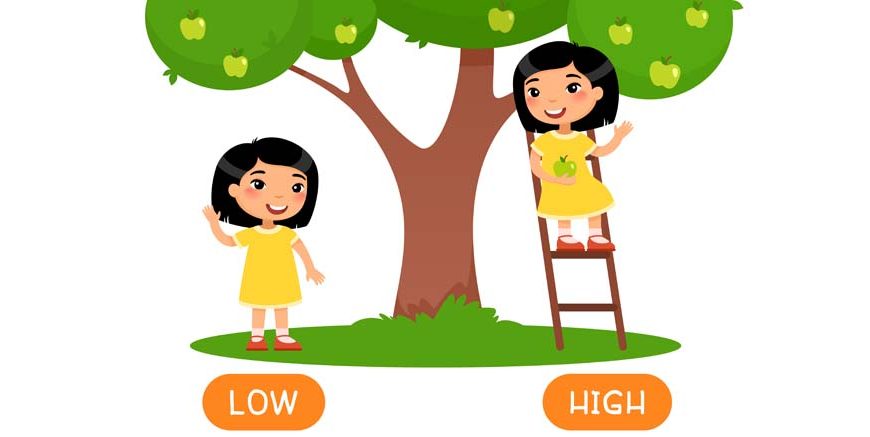
You often notice that children learn words quickly, yet they pause when someone asks for the opposite. They know “big,” but the answer “small” does not come instantly. They know “happy,” but they struggle to say what feeling comes next. This gap does not come from a lack of intelligence. It comes from a lack of structured exposure. In 2026, when communication skills shape confidence, leadership, and learning outcomes, vocabulary cannot remain random. It needs direction.
This is where opposite words become powerful. They train the mind to compare, contrast, and think clearly. They help children organise ideas and express emotions. When you teach antonyms early, you build the foundation of strong grammar, confident speaking, and meaningful writing.
This blog solves a real problem faced by parents and educators. It explains what is an antonym, why it matters, and how you can use opposite words for class 1 to shape sharper thinkers and better communicators. You will also find a complete list of 100 opposite words in English, extended to 105 pairs for deeper mastery.
What Is an Antonym and Why Does It Matter?
Before teaching, you need clarity. What is an antonym? An antonym is a word that has the opposite meaning of another word. If something is hot, its antonym is cold. If someone is happy, the antonym is sad.
When children learn antonyms, they do more than memorise vocabulary. They understand contrast. They begin to notice differences in emotions, sizes, actions, and qualities. This ability strengthens logical thinking. It sharpens language awareness. It prepares them for structured grammar learning.
Read More – Simple Opposite Words for Kids
Understanding Opposite Words for Class 1
Opposite words for class 1 should feel natural and familiar. They should come from daily life. Children understand “up” and “down” because they see stairs. They understand “full” and “empty” because they eat. They understand “happy” and “sad” because they feel emotions every day.
Teaching opposite words in English for class 1 works best when you connect words with real experiences. This approach creates faster recall and stronger understanding.
Why Opposite Words Strengthen Grammar Skills
Grammar begins with meaning. Before sentence structure, children must understand word relationships. Grammar antonyms help children build clear comparisons and stronger sentences.
When your child says, “This box is heavy but that one is light,” they show real language development. This clarity improves reading comprehension, storytelling, and classroom communication.
How Visual Learning Makes Antonyms Stick
Children remember what they see. Pictures anchor meaning. When you show a picture of a wide road next to a narrow path, the idea becomes permanent. Visual learning makes opposite words examples stronger and faster to understand. Flashcards, charts, storybooks, and classroom displays turn abstract words into real knowledge.
Opposite Words Examples Children Understand Easily
When you teach opposite words examples, keep them simple and real:
You say, “This water is hot,” and then show ice saying, “This is cold.”
You say, “She feels happy,” and then show a crying face saying, “He feels sad.”
These examples create emotional and logical understanding at the same time.
Read More – High-Frequency Words for Kids’ Vocabulary
Antonyms List: 105 Opposite Words in English
You asked for 105 antonyms, and here they are. These form the strongest foundation for Class 1 vocabulary building.
- Big – Small
- Hot – Cold
- Happy – Sad
- Fast – Slow
- Up – Down
- Day – Night
- Open – Close
- In – Out
- Tall – Short
- Heavy – Light
- Full – Empty
- Near – Far
- Clean – Dirty
- Loud – Soft
- Old – New
- Thick – Thin
- Bright – Dark
- Hard – Soft
- Wet – Dry
- Long – Short
- High – Low
- Push – Pull
- Come – Go
- Laugh – Cry
- Buy – Sell
- Right – Wrong
- Start – Stop
- On – Off
- Front – Back
- Above – Below
- Inside – Outside
- Win – Lose
- Early – Late
- Sharp – Blunt
- Rich – Poor
- Kind – Cruel
- Alive – Dead
- Young – Old
- Smooth – Rough
- Straight – Curved
- Wide – Narrow
- Strong – Weak
- Same – Different
- Beautiful – Ugly
- Hungry – Full
- Calm – Angry
- Clean – Messy
- Thick – Thin
- Light – Heavy
- Brave – Afraid
- Warm – Cool
- True – False
- Easy – Hard
- Quiet – Noisy
- Sweet – Sour
- Open – Shut
- Left – Right
- Early – Late
- Laughing – Crying
- Hardworking – Lazy
- Happy – Angry
- Fast – Slow
- Polite – Rude
- Big – Tiny
- Full – Hungry
- Bright – Dull
- Safe – Dangerous
- Tall – Short
- Begin – End
- Thin – Fat
- Dry – Wet
- Clean – Dirty
- Push – Pull
- Happy – Unhappy
- Inside – Outside
- Old – Young
- True – False
- Hard – Easy
- Up – Down
- Open – Closed
- Strong – Weak
- Kind – Unkind
- Hot – Cool
- Smooth – Bumpy
- Short – Long
- Rich – Poor
- Near – Far
- Light – Dark
- Fast – Slow
- Good – Bad
- Loud – Quiet
- Start – Finish
- Full – Empty
- Above – Below
- High – Low
- Heavy – Light
- Same – Different
- Buy – Sell
- Win – Lose
- Laugh – Cry
- Wide – Narrow
- Soft – Hard
- Warm – Cold
- Kind – Cruel
- Clean – Messy
These 100 opposite words in English provide a complete learning toolkit for early grammar development.
Read More – Commonly Confused Words in English for Kids
How to Teach Antonyms Without Pressure
You teach best through conversation. You say, “Your bag feels heavy. Mine feels light.” You say, “The room looks clean today. Yesterday it looked messy.” This natural flow makes learning effortless. Games, storytelling, drawing, and everyday talk help children absorb opposite words for class 1 without stress.
How Antonyms Support Emotional Intelligence
Words like happy and sad, calm and angry, kind and cruel help children recognise emotions. Emotional vocabulary supports confidence, empathy, and communication. When children understand feelings, they communicate better with teachers and peers.
Why EuroKids Builds Strong Language Foundations
EuroKids treats language as a life skill, not a subject. Strong vocabulary leads to strong thinking. Clear thinking leads to confident action.
EuroKids follows the HEUREKA Curriculum, which strengthens vocabulary through exploration and meaningful word connections, making grammar learning joyful and effective.
Conclusion: Build Language Confidence with EuroKids
When you teach antonyms, you teach clarity. You teach reasoning. You teach expression. These are skills that stay for life.
Through EuroKids Admission, you give your child a structured and nurturing environment that builds strong communication from the earliest years.
For more expert learning content, explore the EuroKids Blog section, where education meets inspiration.
FAQs
1. What are antonyms in simple words?
Antonyms are words that have opposite meanings.
2. Why are opposite words important for Class 1?
They improve vocabulary, grammar, and thinking skills.
3. How many opposite words should a child learn at one time?
Five to ten pairs per week work best.
4. What is the easiest way to teach opposite words?
Use daily conversations and visual examples.
5. How does EuroKids support early language learning?
EuroKids combines play, exploration, and structured vocabulary building.