There is a beautiful, undeniable magic in watching a child learn to read. It usually starts with a scattered understanding of the alphabet song, followed by the realization that those shapes on the page actually make sounds. Then comes the ultimate lightbulb moment: combining those sounds to make a real word.
At EuroKids, we are privileged to witness this incredible milestone all the time. When young learners make the leap from recognizing single letters to decoding their very first three letter words, their entire world expands. Suddenly, street signs, cereal boxes, and bedtime storybooks become puzzles they can actually solve.
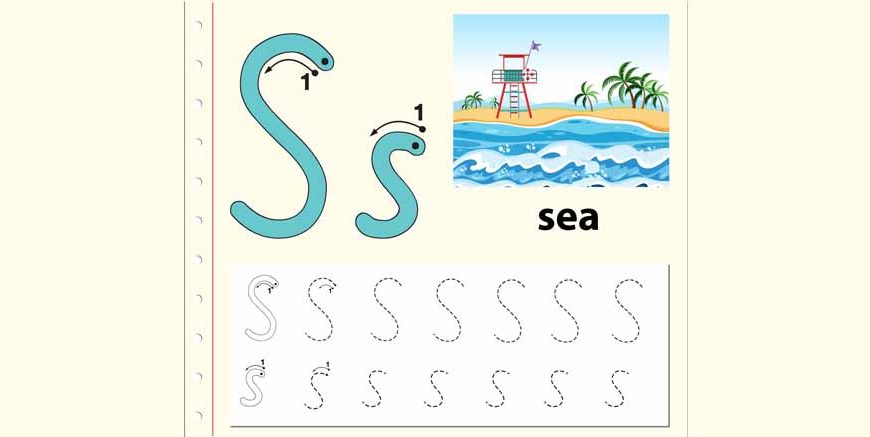
Today, we are putting the spotlight on a letter that is universally loved by early readers: the letter ‘S’. It is playful, it is easy to pronounce, and it is the starting point for some of the most common words in the English language. If you are a parent looking to help your child build their vocabulary without making it feel like a chore, you are in the perfect place. Let’s dive into a fun, comprehensive guide to three letter words that start with s.
The Power of the ‘S’ Sound in Early Phonics
Before we jump straight into the vocabulary, it is helpful to understand why educators love starting with the letter ‘S’.
In phonics, ‘S’ is known as a continuous consonant. Unlike letters such as ‘P’ or ‘T’, which create a short, abrupt popping sound, the ‘S’ sound can be stretched out for as long as your child has breath in their lungs. Sssssss. It sounds like a hissing garden snake, a deflating beach ball, or a sizzling frying pan. Kids naturally gravitate toward this sound because it is highly interactive and physically easy to produce. You just place your teeth together and blow air out.
Because the sound is so sustainable, it makes blending incredibly smooth. When a child learns to drag the ‘S’ sound directly into a vowel, reading suddenly clicks. Mastering 3 letter words starting with s builds an essential foundation for reading fluency, giving kids the confidence they need to tackle bigger, more complex sentences later on.
Read More – Phonetic Spelling for Preschoolers
A Kid-Friendly List of 3 Letter Words Starting With ‘S’
Rote memorization is rarely the best way to teach a preschooler. Instead of handing your child a boring list, we have categorized these words and provided kid-friendly definitions. When you explain what a word means using imagery they understand, the vocabulary sticks much faster.
The Great Outdoors
Nature provides a wonderful backdrop for language learning. Point up at the sky or take a walk in the park to practice these words.
- Sun: The giant, bright yellow star that wakes us up in the morning, makes the playground warm, and helps the flowers grow.
- Sea: The massive body of salty blue water where fish swim, dolphins jump, and we build giant sandcastles on the beach.
- Sky: The big open space right above our heads that is bright blue during the day and filled with twinkling stars at night.
- Sap: The sticky, sweet syrup that hides inside the trunks of trees.
Moving and Grooving (Action Words)
Verbs are the engine of every sentence! Children are full of energy, so have them physically act out these words as they sound them out.
- Sit: To bend your knees and rest your bottom safely on a chair, the floor, or a soft couch cushion.
- See: To open your beautiful eyes wide and look at all the amazing things happening around you.
- Say: To use your voice and your mouth to speak words out loud to your friends or family.
- Sip: To take a very tiny, quiet drink of water, warm milk, or yummy fruit juice.
- Sob: To cry big tears when you are feeling very sad or hurt.
- Set: To carefully place something down, like when we set the plates on the table for dinner.
- Sew: To use a tiny needle and colorful thread to stitch pieces of fabric together to make clothes.
Read More – Simple Action Words for Kids
People, Numbers, and Everyday Things
These are common words your child will encounter frequently in their daily routines or in their beginner reading books.
- Son: The special word a mother or father uses to talk about their boy child.
- Six: The number that comes right after five. Let’s count to six on our fingers together!
- Sum: The total amount you get when you add two numbers together in a fun math puzzle.
- Sub: A very long, delicious sandwich, or a short word for a submarine that dives deep under the ocean waves.
- Sax: A short name for a saxophone, which is a shiny, golden musical instrument that makes a beautiful, jazzy sound.
- Soy: A type of small bean that can be turned into yummy milk or a salty sauce for our noodles.
Stepping Away from Flashcards: Human Ways to Teach Reading
We all know the traditional image of teaching: a parent holding up a stark white flashcard while a child stares blankly back. At EuroKids, our philosophy is rooted in joyful, experiential learning. To truly pass the test of time (and keep your child engaged), you need to make reading a human, interactive experience.
Here are a few highly effective, hands-on strategies to practice three letter words at home:
The Sensory Writing Tray
Children learn brilliantly through touch. Grab a shallow baking sheet from the kitchen and pour in a thin layer of salt, sand, or even cornmeal. Call out one of your new ‘S’ words, like “S-U-N.” Have your child use their index finger to trace the letters in the sand. The physical sensation of the rough sand helps map the shape of the letters directly into their brain. Plus, if they make a mistake, they can just give the tray a little shake to “erase” it and try again.
The Sticky Note Slap Game
Write several of the words from our list on brightly colored sticky notes and place them on a blank wall at your child’s eye level. Give them a clean fly swatter (or just let them use their hands). Call out a word. Your child has to scan the wall, find the right word, and give it a satisfying slap. This game turns a mundane reading lesson into an exciting, high-energy physical activity.
Silly Storytelling
Kids absolutely love the absurd. Challenge your child to help you create the silliest sentence possible using their new vocabulary. For example, you could say, “Did you see the sun sit on the sub?” The funnier and more ridiculous the mental image, the more likely they are to remember the phonics rules they just applied.
The Grocery Store Hunt
The supermarket is a goldmine for environmental print. Next time you are shopping, ask your child to be a “Word Detective.” Challenge them to find the word “Soy” on a bottle, or the number “Six” on an egg carton. Finding words in the real world validates their new skills and proves that reading is a useful, everyday tool.
Creating a Print-Rich Environment
If you want your child to naturally absorb three letter words that start with s, surround them with language. You don’t need to turn your living room into a classroom, but making words accessible is key.
Label a few common items in their bedroom or the playroom. Keep an abundance of age-appropriate books within their physical reach, not tucked away on a high shelf. When you read together at bedtime, run your finger under the words as you speak them. This simple action reinforces the idea that we read from left to right and that the spoken word matches the printed text.
Remember to keep your expectations realistic and your tone deeply encouraging. Learning to read is hard work! If they struggle to blend “S-I-T” today, just smile, help them sound it out, and move on. Praise their effort, not just their accuracy. A home filled with patience and a genuine love for stories will raise a confident, enthusiastic reader.
Read More – Boost Your Child’s Love for Reading
Frequently Asked Questions (FAQs)
What exactly are CVC words?
CVC stands for Consonant-Vowel-Consonant. Words like “sun,” “sit,” and “sap” follow this pattern. They are crucial for early readers because they rely on simple, predictable phonetic rules without any tricky silent letters.
How long should we practice reading every day?
For preschoolers and kindergarteners, short bursts are best. Aim for 5 to 10 minutes of active, playful practice. If they seem tired or frustrated, it is always better to pack it up and try again tomorrow.
My child can make the ‘S’ sound but can’t blend it with other letters. What should I do?
This is a very normal developmental stage! Practice sliding the sounds together slowly, like a singing voice (e.g., sssssaaaaaammm). Don’t rush it. Modeling the blending process repeatedly will eventually help it click for them.
Is it better to teach uppercase or lowercase letters first?
While uppercase letters are often easier for little hands to write, lowercase letters make up the vast majority of the text they will actually read in books. It is highly beneficial to focus heavily on lowercase letter recognition early on.