Grab a piece of chalk. Draw the number 40 on the sidewalk. It takes two seconds. A four and a zero. Simple. But thousands of years ago, the Romans didn’t have a zero. They didn’t even use normal numbers. They used the alphabet. No calculators. No digital screens. Just pure letters, originally carved into hard stone using heavy metal chisels.
When young students start learning this ancient system, they usually breeze right through the teens and twenties. Ten is X. Twenty is XX. Thirty is XXX. Easy, right? But figuring out the roman number 40 is where things suddenly crash into a brick wall. The pattern breaks. Logic seems to fly right out the window.
Let’s completely decode this puzzle. We will strip away the confusion, figure out exactly why the Romans changed the rules, and learn the clever little trick to writing this number perfectly every single time.
The Big Rule of Three
To understand how to write 40 in roman numerals, you first have to understand what you are not allowed to do.
Kids are smart. They look at the pattern. If ten is one X, and thirty is three X’s, then forty must definitely be XXXX. They write it down on their math quiz feeling super confident.
And they get it wrong.
Why? Because the ancient Romans hated visual clutter. Imagine trying to read a number like eight or nine if it was just a massive, endless row of the exact same letter. Your eyes would cross. You would lose count. To fix this, they created the Rule of Three. You are strictly forbidden from putting four of the exact same letters right next to each other. XXXX is completely banned.
They needed a shortcut. A way to write the number using fewer strokes of the chisel.
Read More – Roman Numerals 1 to 50
Decoding the 40 Roman Number
Since they couldn’t just pile up four X’s, they had to work backward. They turned to subtraction.
First, you need to meet a brand new letter. The letter L. In this classical counting code, L stands for fifty.
Now, here is the magic trick. The position of the letters changes the entire math problem.
If you place a smaller letter on the right side of a bigger letter, you add them together. For example, L (50) + X (10) becomes LX. That equals 60.
But if you sneak that smaller letter onto the left side? You subtract.
You take the big number, fifty. You subtract ten.
50 – 10 = 40.
So, you put the X directly to the left of the L.
XL.
That is your answer. XL is the official 40 roman number.
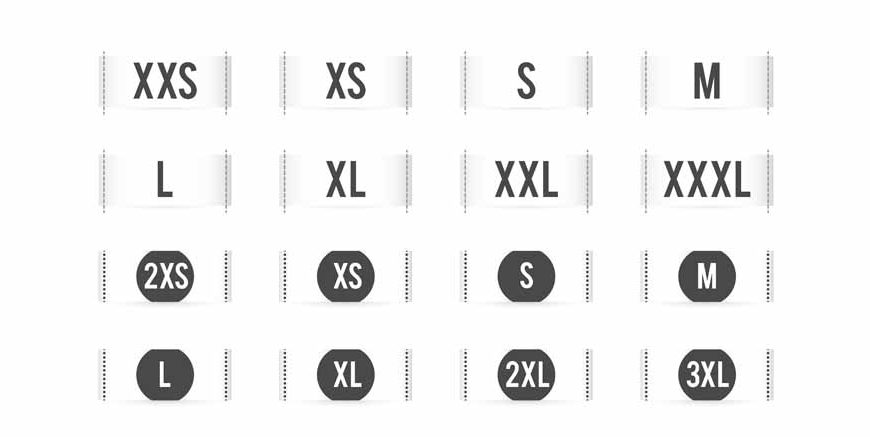
Here is the absolute best trick to help a kid memorize this instantly. Ask them what size shirt their tall uncle wears. Extra Large! XL. Connecting the math symbol to a clothing tag they see in their own closet makes the ancient math suddenly feel familiar. They won’t forget it.
Read More – Teaching Kids About Roman Numerals
Hunting for XL in the Real World
You might be wondering why we force kids to learn this. We have smartphones and modern keyboards. Why do we care about stone-age alphabet math?
Because the Romans left their secret code everywhere. It never actually vanished.
Once a kid knows how to read XL, they turn into a little history detective. Look closely at the gigantic clock in the middle of your town square. Check the cornerstones of old brick libraries or museums. You will see these letters stamped into the concrete. Watch the Super Bowl on television. They don’t use regular numbers to count the games; they use these ancient letters. Sometimes they even pop up in video games to track player levels. Knowing the code unlocks all these tiny, hidden messages hiding in plain sight.
Concluding
Let’s pull the pieces together. You can’t write XXXX. You have to use subtraction. X goes before L. XL equals forty.
But looking at these letters brings up a rather brilliant thought. Human technology moves incredibly fast. We went from riding horses across dirt roads to flying metal rockets into outer space. We changed how we talk, how we build, and how we live. Yet, we kept these simple, straight letters. They survived the rise and fall of empires. Mathematics is a permanent, universal language. When a child writes XL on a piece of notebook paper, they are drawing the exact same lines that an ancient gladiator or emperor would have recognized instantly.
To read more fun and educational articles, check out the EuroKids Blog, and visit our website for details on EuroKids Preschool Admission.
FAQs
Why can’t I just write XXXX for forty?
The Roman system has a strict “Rule of Three.” You are never allowed to put four identical letters in a row because it becomes too messy and hard to read quickly.
What does the letter L stand for in math?
In this specific ancient counting system, the letter L represents the number 50.
How do I remember to put the X first?
Just think of the letters as a math problem reading left to right. A small number (X) in front of a big number (L) means you have to subtract. 50 minus 10 equals 40.
Is XL used for anything else today?
Yes! Outside of math, XL is most commonly used as an abbreviation for “Extra Large” on clothing tags and drink sizes.