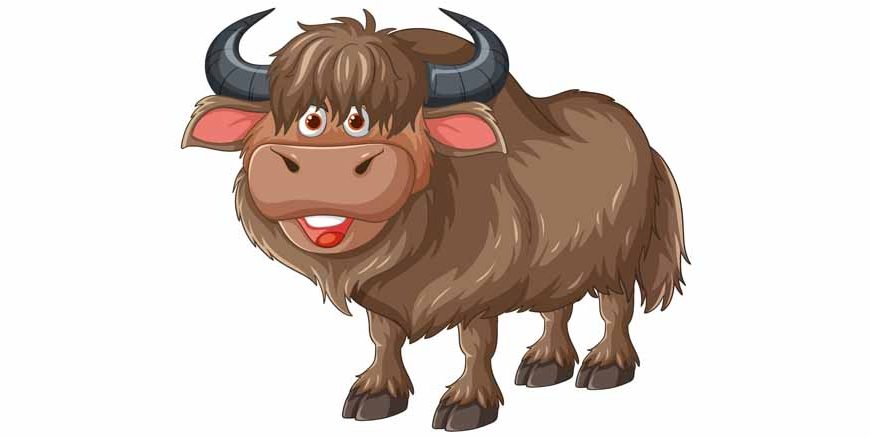
Bite-your-fingers cold. That is the only way to describe the air at 15,000 feet above sea level. The wind up there does not just blow; it cuts right through you. Your lungs burn trying to pull oxygen from the thin atmosphere. Most creatures would perish in this environment within hours. Yet, one specific creature simply shakes the ice off its back and goes back to chewing on frozen roots. We are talking about the ultimate mountain survivalist. If you want to teach your child about genuine resilience and adaptation, forget about comic book heroes. Look to the roof of the world instead.
Teaching kids about extreme animals opens their minds to geography and biology in a way textbooks simply cannot. When a curious child asks what is yak, it is tempting to just tell them it is a very fluffy cow. But that does a massive injustice to this incredible beast. This blog will explore some fascinating yak information that goes far beyond the basics. We will look at how they survive, their history with human beings, and why mountain communities would literally not exist without them.
Spelling and Science: Getting the Basics Right
Let us clear up a common classroom confusion first. When kids are doing projects, they often get stuck wondering if they should write yalk or yak. The correct spelling is just three simple letters: Y-A-K. The word comes straight from the Tibetan language.
The scientific name of yak is actually quite a fun fact to share because it depends entirely on whether the animal is wild or tame. The massive, untamed beasts roaming the mountains are called Bos mutus, which translates to the ‘mute ox’. They are the silent giants of the snow. The domestic yak, however, is known as Bos grunniens. This means the ‘grunting ox’. They do not moo like the cows you see on a farm. Instead, they make deep grunting noises to communicate with their herd.
Read More – Snowy Environment Animals
Built for the Freeze: Understanding Their Environment
You really have to understand the yak habitat to appreciate how tough this yak animal is. Yaks are found in some of the most hostile, unforgiving terrain on planet Earth. Their natural home stretches across the high Himalayas, the vast Tibetan Plateau, and remote parts of Mongolia. They live comfortably at elevations where human climbers need oxygen tanks.
How do they do it? They are biologically engineered for the cold. They have massive lungs designed to pull in as much thin air as possible. Their heart rates are different from lowland animals, pumping extra red blood cells to carry oxygen efficiently. Then there is the coat. They have a thick, double-layered wrap of hair that acts exactly like a premium winter sleeping bag. The outer hair is coarse and waterproof, while the inner layer is incredibly soft and traps body heat. They love the cold so much that if the temperature rises above fifteen degrees Celsius, they actually start to suffer from heat exhaustion.
The Wild Giants and the Tame Companions
It is vital to know that there are two very different worlds for these animals. The wild populations are heavily endangered. They are massive, aggressive, and stay far away from human settlements. A wild male can weigh up to a thousand kilograms. They are dark, imposing figures against the white snow.
The domesticated ones are much smaller and far more docile. They come in different colours like white, brown, and piebald. For thousands of years, humans have lived alongside these calmer animals. It was this partnership that allowed human beings to finally settle in the extreme high-altitude deserts of Asia.
Read More – World of Animals
The Engine of the Mountains: Why Humans Need Them
If you travel to a remote village in Tibet or Nepal, you will quickly see that the local economy revolves entirely around this one animal. The uses of yaks are practically endless. Think of them as the original all-terrain vehicles of the ancient world.
One of the primary uses of yak is heavy transport. They are incredibly sure-footed on steep, slippery ice. Long before helicopters or modern roads existed, these animals were the only way to move food and supplies across the treacherous mountain passes. Even today, mountaineers rely on them to carry base camp equipment up the slopes of Everest.
But they are much more than just transport. They are the primary source of food in areas where you cannot grow crops. Their milk is extremely rich in fat, which is exactly what a human body needs to stay warm in sub-zero temperatures. Families churn this milk into butter and dry it into hard cheese that lasts for years. Furthermore, the soft inner hair of the animal is combed out and spun into wool to make incredibly warm blankets and tents. In an environment where trees do not grow, even their dried dung is collected and used as the main fuel for cooking fires. It is a relationship of absolute, mutual survival.
Read More – Wild Animals for Kids
The EuroKids Approach to Natural Wonders
Understanding the natural world takes more than just reading facts off a board. At EuroKids, we encourage children to dive deeply into the “why” and “how” of the world around them. Our Heureka curriculum is built around the concept of Mindful Learning. We want children to explore topics like animal adaptation with genuine curiosity, helping them build a strong foundation of environmental awareness and critical thinking.
Conclusion
The story of this high-altitude survivor is a brilliant lesson in nature’s ability to endure. By sharing this knowledge with your child, you are teaching them about biology, ancient human cultures, and the incredible ways life adapts to extreme challenges. It shows them that resilience comes in many different forms.
Nurturing that sense of wonder is the most important thing you can do for your child’s education. If you are looking for an environment that champions this kind of curiosity, please visit our website to learn more about EuroKids Preschool Admission and find a centre near you. For more engaging insights into child development and learning, take a moment to explore the EuroKids Blog section.
Frequently Asked Questions (FAQs)
What is the scientific name of yak?
It depends on the type of animal. The wild ones are called Bos mutus (mute ox), while the domesticated ones that live with humans are called Bos grunniens (grunting ox).
Where exactly are yaks found in the world?
They are native to the high-altitude regions of Central Asia. You will primarily find them across the Himalayas, the Tibetan Plateau, and parts of Russia and Mongolia.
What are the most common uses of yaks?
Mountain communities rely on them for almost everything. They use them to transport heavy goods over icy terrain, drink their rich milk, weave clothing from their thick wool, and even use their dried dung as fuel for fires.
Do you spell the word as yalk or yak?
The correct spelling is yak. It is a term that was adopted directly from the local Tibetan language.
How does a yak animal survive such extreme cold?
They have highly adapted bodies featuring massive lungs for thin air and a thick, double-layered coat of hair that traps heat and keeps freezing moisture away from their skin.