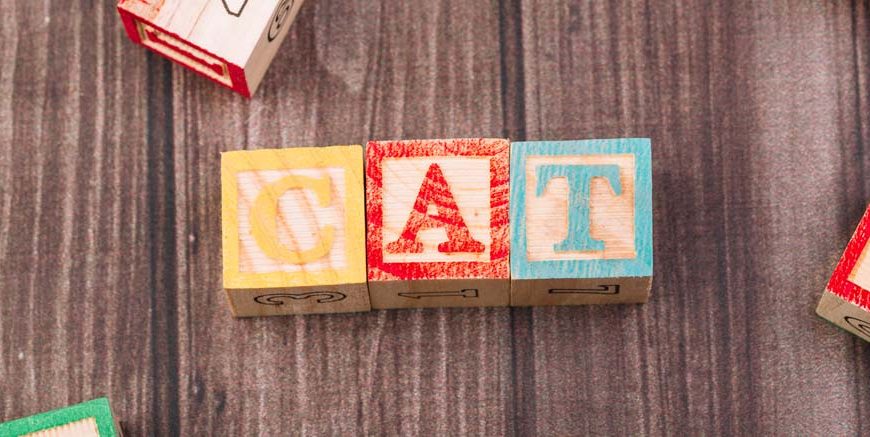
Teaching a child how to confidently read and write often feels like handing them a massive box of colourful building blocks without a picture to follow. At first glance, the English language seems completely chaotic, filled with strange spellings and confusing rules. However, once you show a child the secret mechanical tricks behind vocabulary, the entire process becomes a fun, interactive puzzle.
One of the absolute best tricks you can teach a young reader is how to use prefixes. By simply snapping a tiny group of letters onto the front of a familiar word, they can magically flip its entire meaning upside down. Today, we are going to look specifically at the power of the ‘dis’ sound, breaking down exactly how it works and providing a comprehensive vocabulary list to practice at home.
Understanding the dis prefix
To help children grasp the mechanics of language, you first need to explain what a prefix actually is. You can describe it as a special starter block. It cannot stand alone as a real word, but when you click it onto the front of a ‘root word’, it alters the meaning completely.
The dis prefix is incredibly common and originates from ancient Latin. In almost all cases, it simply translates to “not,” “the opposite of,” or “apart.” Once a child understands this basic rule, they stop panicking when they see a long, scary-looking word on the page. They learn to chop the word into manageable pieces, isolate the familiar root, and apply the negative rule.
Why Learn words that start with dis?
You might wonder why we should spend an entire afternoon focusing on a single prefix. Learning words that start with dis is essentially a massive shortcut for your child’s vocabulary growth. If your child already knows what the word “agree” means, they do not need to memorise a brand new definition for “disagree.”
They just apply the mathematical rule: dis (not) + agree = not agreeing. This logical, building-block method prevents children from feeling overwhelmed by heavy dictionaries. It is a fantastic tool for reading comprehension, allowing them to independently guess the meaning of new words they stumble across in their favourite storybooks.
Read More – List of Sight Words in English for Kids
Exploring dis prefix words and dis words
When we encourage kids to practice dis prefix words, we are actively giving them a much sharper toolkit for expressing themselves. Children often default to using the word “not” for everything. They will say their toys are “not organised,” they are “not happy,” or a friend is “not honest.”
By introducing proper dis words, we help them elevate their daily speech and write far more descriptive, engaging school essays. Replacing clumsy phrases with sharp words like “disorganised,” “dissatisfied,” or “dishonest” makes a huge difference in their confidence. This active, mechanical approach to reading and speaking is a core element of the Heureka Curriculum, which encourages children to playfully break vocabulary apart to see exactly how it works rather than just passively memorising blackboards.
The Ultimate List of 40 Words Starting With ‘Dis’
To give you plenty of material for your next spelling practice session, here is a carefully curated list of forty excellent words for children. Each word includes a simple, kid-friendly definition and a practical example sentence to show exactly how it works in the real world.
- Disadvantage
- Disagree
- Disallow
- Disappear
- Disappoint
- Disarm
- Disarrange
- Disaster
- Disbelieve
- Discard
- Disconnect
- Discolour
- Discontinue
- Discount
- Discourage
- Discover
- Discuss
- Disease
- Disgrace
- Disguise
- Disgust
- Dishonest
- Dishonour
- Disinfect
- Dislike
- Disloyal
- Dismantle
- Dismiss
- Disobey
- Disorder
- Disorganise
- Displace
- Display
- Displease
- Disprove
- Disqualify
- Disregard
- Disrespect
- Disrupt
- Distract
Meaning: Something that makes a situation worse or harder.
Example: Being short is a disadvantage when trying to reach the top shelf.
Meaning: To have a completely different opinion from someone else.
Example: My brother and I always disagree on which television channel to watch.
Meaning: To refuse to let something happen.
Example: The strict referee decided to disallow the football goal.
Meaning: To vanish completely out of sight.
Example: We watched the bright yellow sun disappear behind the grey clouds.
Meaning: To make someone feel sad because things did not go as planned.
Example: I did not want to disappoint my mum, so I cleaned my messy bedroom.
Meaning: To take weapons away from someone.
Example: The brave police officer managed to disarm the robber.
Meaning: To make a neat space messy and untidy.
Example: Please do not disarrange the neat pile of papers on my desk.
Meaning: A terrible event that causes a lot of sudden damage.
Example: Dropping the birthday cake onto the carpet was a total disaster.
Meaning: To firmly think that something is a lie.
Example: I disbelieve his wild story about seeing a flying saucer.
Meaning: To throw something away because it is no longer useful.
Example: You should discard those broken plastic toys in the bin.
Meaning: To break a link or separate two things.
Example: Make sure to disconnect the computer plug before moving the heavy desk.
Meaning: To ruin the colour of something or cause it to fade.
Example: Leaving the bright red shirt in the sun will discolour the fabric.
Meaning: To stop making or doing something entirely.
Example: The local shop had to discontinue my favourite flavour of crisps.
Meaning: A reduction in the normal price of an item.
Example: The bookshop offered a fantastic discount on all children’s books.
Meaning: To take away someone’s confidence or enthusiasm.
Example: The heavy rain did not discourage the team from playing the match.
Meaning: To find something brand new that was hidden.
Example: The pirates used an old map to discover the buried gold.
Meaning: To talk about a specific topic with other people.
Example: The teacher asked the class to discuss the history lesson.
Meaning: An illness that affects humans, animals, or plants.
Example: Washing your hands properly helps stop the spread of disease.
Meaning: A total loss of respect due to bad behaviour.
Example: Cheating on the maths test was an absolute disgrace.
Meaning: Clothes or accessories used to hide your true identity.
Example: He wore a fake moustache as a brilliant disguise for the party.
Meaning: A very strong feeling of dislike for something nasty.
Example: She looked at the plate of cold, soggy Brussels sprouts with disgust.
Meaning: Someone who tells lies and cannot be trusted.
Example: It is very dishonest to steal money from your sister’s piggy bank.
Meaning: To bring shame or a bad reputation upon yourself.
Example: The knight swore he would never dishonour his king.
Meaning: To clean a surface thoroughly to kill invisible germs.
Example: The nurse used strong spray to disinfect the hospital bed.
Meaning: To not enjoy or not care for something.
Example: I strongly dislike the bitter taste of black coffee.
Meaning: Failing to support your friends or your team.
Example: Leaving his friend behind when trouble started was a very disloyal act.
Meaning: To carefully take a machine or structure apart into pieces.
Example: Dad had to dismantle the old bicycle to fix the broken chain.
Meaning: To send someone away or allow them to leave.
Example: The headmaster will dismiss the students when the school bell rings.
Meaning: To purposely refuse to follow a rule or an order.
Example: You should never disobey the safety rules at the swimming pool.
Meaning: A state of total mess and confusion.
Example: The windy storm left the beautiful garden in absolute disorder.
Meaning: To destroy the neat arrangement of a plan or space.
Example: Losing the train tickets will completely disorganise our holiday.
Meaning: To move an object completely out of its usual spot.
Example: Dropping the heavy rock into the bucket will displace the water.
Meaning: To put something where everyone can see it clearly.
Example: The museum will display the ancient dinosaur bones next week.
Meaning: To annoy someone or make them unhappy.
Example: Shouting loudly in the library will greatly displease the librarian.
Meaning: To use facts to show that a theory is false.
Example: The scientist did an experiment to disprove the old myth.
Meaning: To ban someone from a competition for breaking the rules.
Example: The judges will disqualify any runner who starts before the whistle.
Meaning: To completely ignore something or pay no attention to it.
Example: Please disregard the messy scribbles at the bottom of my page.
Meaning: To treat someone poorly and without politeness.
Example: Talking while the teacher is talking shows massive disrespect.
Meaning: To cause an interruption that ruins an event.
Example: The loud fire alarm will definitely disrupt the silent examination.
Meaning: To pull someone’s attention away from their current task.
Example: The loud music from next door began to distract her from her homework.
Read More – Simple Action Words For Kids
Conclusion
Teaching children the mechanical rules of vocabulary completely transforms how they interact with reading and writing. Language is not just a rigid, impossible set of spelling rules to be feared; it is a highly flexible, logical toolkit waiting to be used. When a child finally understands that they can actively manipulate words by snapping prefixes onto them, they transition from being hesitant readers to confident, articulate communicators.
It is incredibly thought-provoking to realise that simply teaching a child the ancient Latin meaning of a three-letter sound can instantly unlock hundreds of new words in their brain without a single flashcard. If you want to discover more practical vocabulary guides and fantastic ways to nurture your child’s daily development, dive into the EuroKids Blog and secure their exciting educational journey today through EuroKids Preschool Admission.
FAQs
Is ‘dis’ always a prefix when it starts a word?
No, not always. Words like ‘dish’ or ‘distance’ simply begin with those letters by pure coincidence. The trick is to remove the ‘dis’ and see if a full, real root word is left over!
At what age should children start learning about prefixes?
Most children are ready to grasp the basic concept of prefixes around the age of seven or eight, once they have already built a solid foundation of simple root words.
Can you add a prefix and a suffix to the same word?
Yes, absolutely! For example, in the word “disrespectful,” you have the prefix ‘dis’ at the front, the root word ‘respect’ in the middle, and the suffix ‘ful’ at the end.