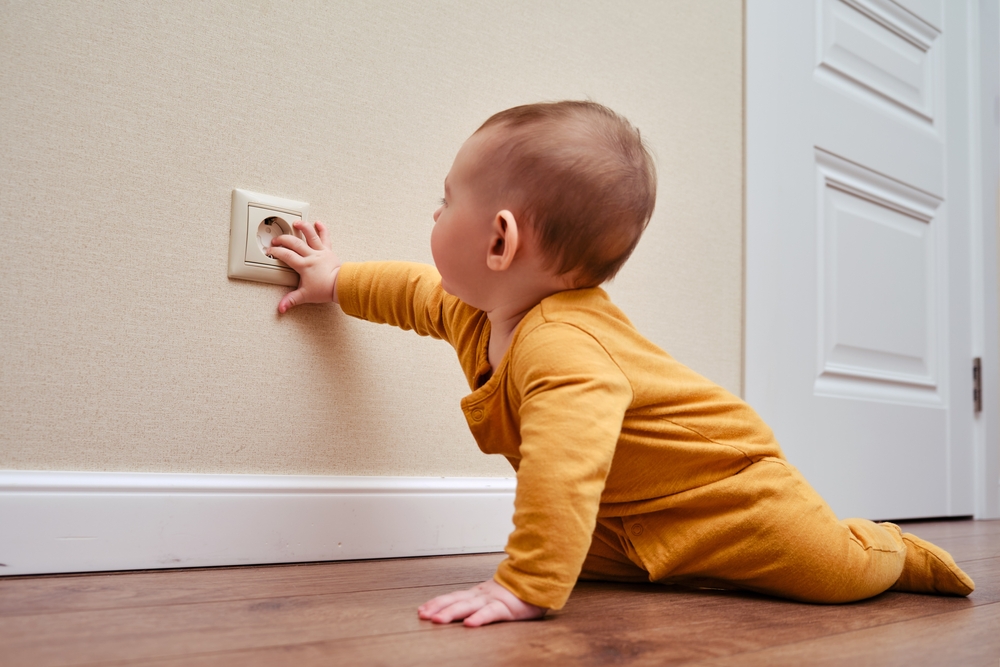
There is a very specific feeling that rushes over a child the moment they push open their front door after a long, noisy school day. It might be the familiar scent of supper cooking in the kitchen, the sight of their favourite pair of slippers waiting in the hallway, or the immediate urge to kick off their school shoes and run into the living room. Our homes are our ultimate safe spaces.
When teachers assign a writing task about where a student lives, they are tapping into a deeply personal and comfortable subject. For young learners, describing their own living space is an excellent way to practice observation, structure their thoughts, and use descriptive language. Let us explore how to guide your little ones in writing a beautiful piece about their home, tailoring the approach to suit the abilities of children across the early primary years.
My House Essay for Class 1
For the youngest students, staring at a blank piece of paper can feel a bit daunting. At this stage, the goal is not to write a sweeping narrative, but rather to help them form simple, grammatically correct statements. A “my house essay” for class 1 usually relies on basic observations: colours, sizes, and the people who share the space.
Instead of asking them to write a big block of text, sit with your child and ask them questions. What colour is our front door? Where do you sleep? Is our home big or small? By breaking the task down into a numbered list, you remove the pressure of paragraph structure and allow them to focus entirely on the facts.
Read More – Types Of Houses For Kids
10 Lines on My House in English
If your child needs to submit a my house essay 10 lines format, here is a highly relatable, simple example that they can easily read, memorise, and adapt for their own assignment:
- My house is the most beautiful and comfortable place in the world.
- It is painted in a lovely bright yellow colour with a brown roof.
- We have a small, pretty garden at the front filled with red roses.
- My home has a cosy living room where we all watch television together.
- There are three bedrooms, a kitchen, and a clean bathroom inside.
- I share a colourful bedroom with my younger sister.
- My mother cooks delicious meals for us in our large kitchen.
- We have a fluffy pet dog who loves to sleep on the sitting room rug.
- I always help my parents keep our rooms very tidy and neat.
- I love my house very much because it makes me feel safe and happy.
Flowing Sentences: Writing a My House Paragraph
As your child moves into Class 2, they will naturally begin to drop the numbered lists and learn how to weave their ideas together. Writing a my house paragraph is the perfect bridge between writing simple bullet points and drafting a full essay.
At this age, encourage them to use transition words like ‘also’, ‘because’, and ‘next to’. Here is a brilliant example of a short paragraph for a seven-year-old:
“My home is my absolute favourite place to be. It is a lovely two-storey building with a bright red front door and a massive oak tree in the back garden. Inside, we have a very warm and cosy living room where my family gathers every evening to play board games. Upstairs, my bedroom is painted blue, and it has a large window that lets in lots of morning sunlight. I really love my house because it is filled with all my favourite toys, my wonderful family, and so many happy memories.”
Read More – House Vocabulary In English With Pictures For Kids
Adding Colour and Detail: A Longer My House Essay
By the time a student reaches Class 3, they are ready to stretch their vocabulary. A longer my house essay allows them to inject more personality and sensory details into their writing. Encourage them to describe how the sofa feels, the sounds they hear from the street, or the smell of Sunday breakfast.
Here is how an eight-year-old might write a more detailed piece:
“A house is made of bricks and cement, but a home is made of love and laughter. I live in a beautiful, spacious house located near a quiet park. From the outside, it looks wonderfully welcoming with its crisp white walls and the climbing green ivy near the porch.
The heart of our home is definitely the kitchen. It always smells like warm toast and fresh fruit, and it is the place where I sit to finish my daily homework while my parents cook. My favourite room, however, is my bedroom. I have a large bookshelf filled with adventure stories and a soft, fluffy rug where I like to sit and read.
On Sunday afternoons, we spend our time in the back garden. My father grows crunchy carrots and sweet tomatoes, and I help him water the soil. Even when we go away on exciting holidays, I always miss my own bed. My house is not just a building; it is a peaceful shelter that protects me and keeps my family happily together.”
Read More – Home Safety Guide for Kids
Conclusion
When a child sits down to describe the four walls they live within, they are doing much more than just completing an English task. They are actively taking stock of their environment and learning to appreciate the safety and warmth that surrounds them every day. It teaches young minds that true wealth is not found in grand palaces, but in the quiet corners of a living room where a family shares a joke, or in a sunlit bedroom where imagination runs wild. Encourage your little ones to look around their environment with fresh, grateful eyes, because recognizing the beauty of where you are right now is a wonderful habit that lasts a lifetime.
To discover more educational resources and find joyful ways to support your child’s early learning journey, take a stroll over to the EuroKids Blog, and find out how to ignite their bright future by exploring EuroKids Preschool Admission today.
FAQs
How do I help my child brainstorm ideas for this topic?
Take them on a quick walking tour of your own home! Give them a notepad and ask them to write down one thing they love about the kitchen, the garden, and their bedroom.
Should they focus on the physical building or their family?
A great piece of writing will blend both. Describing the physical building shows off their vocabulary, whilst mentioning their family brings genuine emotion and warmth to the text.
What adjectives work best for describing a home?
Teach them words like spacious, cosy, welcoming, bustling, peaceful, bright, and comfortable.