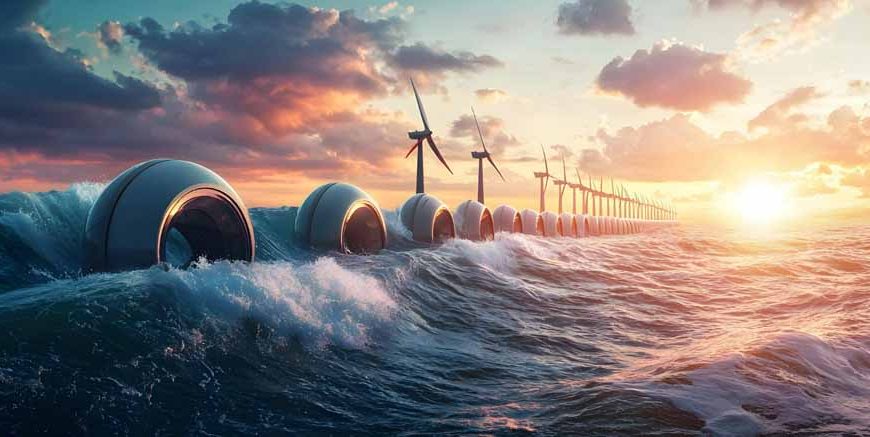
Energy simply means the strength to do work. Look around any house after school. Ceiling fans whirr, the fridge hums, mobile phones sit on chargers, and mixer blades grind batter in the kitchen. Our thirst for electrical power climbs higher every month because families rely on more gadgets to get through the day. Right now, most of that power comes from thermal plants burning brown coal, which fills our lungs with soot and will eventually dry up. But a massive natural engine stays at work right along our shores without pausing for a single hour. Wave energy is an untouched pool of clean power that could light up whole neighbourhoods without burning a single extra railway wagon of fuel. Showing children how breaking water turns into electric current helps them realise that the natural world already offers solutions to our biggest problems.
What Is Wave Energy and How Do We Harvest It?
When the sun beats down and warms the atmosphere, it stirs up surface winds. As those gusts blow across hundreds of miles of open sea, they push against the water and kick up swells. That rolling water carries kinetic power. Engineers catch that shove with heavy metal gear floating in coastal bays.
Two main contraptions do the heavy lifting out in the water:
- Surface Attenuators: These look like long, jointed steel pipes floating flat on the water. As swells roll underneath, the joints bend up and down like a caterpillar, driving hydraulic rams that spin dynamos inside the casing.
- Point Absorbers: These are round buoys that bob on the swells like a fisherman’s float. The up-and-down jerk tugs a heavy piston tied to the seabed, which turns the movement into electricity.
Tidal energy works on a different clock. It relies on the moon and sun pulling water levels up and down twice a day, rather than wind blowing across the surface. Both methods generate clean power without pumping black smoke into the air.
Read More – Facts About Sound Waves
Advantages of Wave Power
- Clean Air: Sea converters burn no oil or coal, so they release no carbon gases or toxic ash into the sky.
- Endless Supply: The sun will keep heating the air and winds will keep blowing across the open sea, meaning wave energy will never run dry.
- Saves Farmland: These units sit out in the open bay, so they do not eat up farming land, cut into forests, or force villagers off their plots.
- Steady Timetables: Solar panels shut down on rainy days and wind towers stall in summer heat, but ocean swells roll in day and night in rhythms that port teams can forecast days ahead.
Disadvantages of Wave Power
- Heavy Price Tags: Fabricating thick steel units, towing them out to sea, and bolting them to underwater rock takes specialised tugs, divers, and big money.
- Hurt to Sea Life: Giant underwater cables, humming gears, and mooring lines can disturb fish movements and catch on the nylon nets of local fishermen.
- Rust and Big Storms: Salt water eats through iron rapidly. When monsoon storms churn up twenty-foot breakers, the thrashing water can rip anchors out and smash units against the rocks.
How EuroKids Builds Practical Science Curiosity
You never teach a four-year-old to love nature by making them copy definitions off a slate or memorise exam questions for a test. Young minds learn when they can touch real things, splash water, and watch causes and effects happen right in front of them.
Inside EuroKids classrooms, teachers make physical science part of regular morning play. Children gather around outdoor water troughs, float wooden blocks, scoop sand to build small dams, and blow into pinwheels to see how moving air pushes plastic blades. Teachers use morning carpet circles to talk about why sea turtles need clean water and why turning off room fans saves power. By turning science into an everyday adventure full of curiosity, EuroKids helps little learners develop real observation, common sense, and a lasting respect for our earth.
Read More – Fascinating Science Facts for Kids
Conclusion
The foaming breakers crashing on the beach are not just splashing water; they are a giant natural battery waiting for us to plug in. When we show our children that rolling sea water can run the fans and lights in our homes, we teach them to look at nature as a partner rather than something to exploit. Raising children who notice how natural forces work turns today’s little learners into sensible problem solvers who will know how to protect our planet tomorrow.
To read more practical parenting pieces and child development stories, explore the EuroKids Blog, and visit your neighbourhood centre to speak with our staff about EuroKids Preschool Admission for your little one today.
Frequently Asked Questions
What is wave energy in simple words for kids?
Wave energy is the electrical power produced by catching the natural up-and-down motion of ocean waves using floating machines.
How is wave energy different from tidal energy?
Wave energy comes from wind blowing across the water surface, while tidal energy comes from the rise and fall of the sea level pulled by the moon and sun.
Is wave power renewable?
Yes, wave power is fully renewable because the sun and wind will keep creating ocean waves as long as our planet exists.
Why are wave plants not common along every coastline?
Salt water rusts machinery quickly, severe ocean storms can wreck the stations, and doing repairs miles out at sea costs a great deal of money.