Nylon is one of the most widely used synthetic fibres in the world. Known for its strength, durability, and versatility, nylon has become an essential material in industries ranging from textiles to engineering. In this article, we will explore what is nylon, nylon material, its properties, types, uses of nylon fibre, and everyday applications.
What is Nylon?
Nylon definition:
Nylon is a synthetic polymer, a polyamide, made from petroleum-based chemicals. It was first developed in 1935 by Wallace Carothers at DuPont in the United States.
Nylon meaning in English:
- Nylon is a strong, lightweight, and durable material used in textiles, engineering products, and household items.
Nylon in the Indian context:
- In India, nylon is widely used in clothing, ropes, fishing nets, and industrial applications. Companies like Reliance Industries and SRF Ltd. manufacture and supply nylon fibre for textile and industrial use.
About Nylon:
- Nylon is a man-made or synthetic fibre, unlike cotton or wool, which are natural fibres.
- It can be woven into fabric, threads, ropes, and engineering components.
Read More – Clothes in Different Seasons
How is Nylon Made?
Nylon is obtained from petroleum derivatives through a chemical process called polymerisation.
Steps of Nylon Production:
- Raw materials: Adipic acid and hexamethylene diamine are used.
- Polymerisation: These chemicals react to form long chains called nylon polymer.
- Spinning: The polymer is melted and spun into fibres.
- Drawing: Fibres are stretched to increase strength and elasticity.
- Finishing: Fibres can be dyed or coated for specific applications.
Nylon fibres are known for their elasticity, strength, and abrasion resistance, making them suitable for clothing, ropes, and industrial applications.
Properties of Nylon
Understanding the properties of nylon helps explain its widespread use.
Physical Properties
- Strength: Nylon is very strong and can withstand heavy loads.
- Elasticity: Stretches without breaking and returns to its original shape.
- Lightweight: Nylon fibres are lighter than most natural fibres.
- Smooth texture: Gives a soft feel when used in fabrics.
Chemical Properties
- Resistant to chemicals, oils, and grease.
- Does not absorb water easily, making it ideal for wet conditions.
- Resistant to mould and mildew, making it durable in humid climates.
Mechanical Properties
- Abrasion-resistant: Ideal for ropes, seat belts, and industrial fabrics.
- Durable: Can last for years without significant wear.
- Heat-resistant: Can withstand moderate heat before melting.
The advantage of nylon is that it combines strength, elasticity, and durability, unlike most natural fibres.
Types of Nylon
Different types of nylon are produced depending on their chemical composition and use.
1. Nylon 6
- Uses of nylon 6: Clothing, carpets, industrial ropes, and fishing nets.
- Known for strength and abrasion resistance.
2. Nylon 6,6
- Applications: Engineering plastics, automotive parts, gears, and machine components.
- Offers higher heat resistance and tensile strength than nylon 6.
3. Other types
- Nylon 11 and Nylon 12: Used in speciality applications like tubing, hoses, and aerospace components.
Read More – How Do You Make Science Interesting for Kids?
Uses of Nylon
Nylon uses span across various industries and everyday life.
1. Clothing and Textiles
- Nylon fabric uses: Hosiery, stockings, jackets, raincoats, and sportswear.
- In India, nylon shirts, saree fabrics, and jackets are commonly used for their durability and ease of maintenance.
- Nylon threads are made of strong fibres that hold garments together without fraying.
2. Household Items
- Nylon is used in curtains, carpets, upholstery, and bags.
- Easy to clean and wear-resistant, nylon fabrics are ideal for Indian homes with humid weather.
3. Industrial Applications
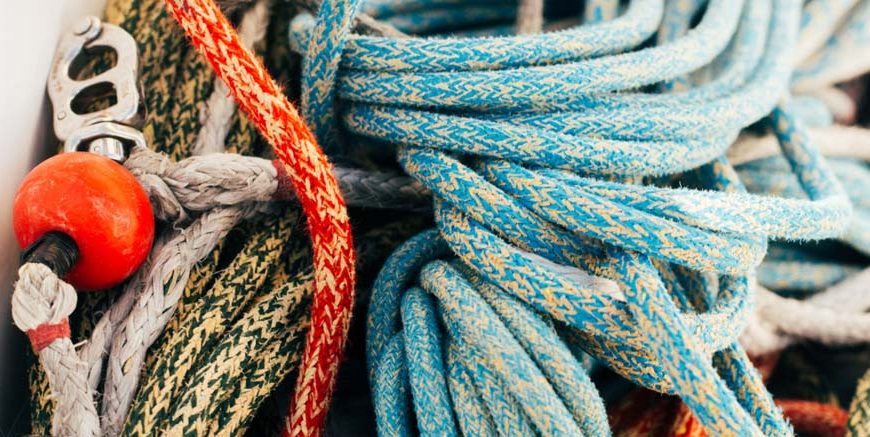
- Nylon ropes, fishing nets, and conveyor belts are common in industries and fisheries.
- Nylon is used in gears, bearings, and other mechanical components due to its wear-resistance and low friction.
4. Automotive Applications
- Nylon materials are used in seat belts, airbags, engine components, and fuel hoses.
- Provides strength and heat resistance, making it suitable for Indian vehicles.
5. Sports and Recreation
- Fishing lines, parachutes, and tents are made from nylon because it is lightweight and strong.
- Rackets, balls, and sports shoes in India also use nylon for enhanced durability.
6. Medical Applications
- Nylon is used in surgical threads, catheters, and medical equipment.
- Its biocompatibility and moisture resistance make it safe for medical use.
7. Consumer Products
- Backpacks, umbrellas, luggage, and toothbrush bristles use nylon fibres.
- Nylon cloth information shows that its smooth texture, light weight, and water resistance make it ideal for daily use.
Advantages of Nylon
- Durable and long-lasting
- Lightweight and strong
- Resistant to wear and tear
- Low maintenance
- Water-resistant and mould-proof
- Versatile applications in textiles, industry, and household items
Fun Facts About Nylon
- Nylon was the first fully synthetic fibre introduced worldwide.
- Nylon fibres are often used as substitutes for silk.
- Nylon is recyclable and is increasingly used in sustainable applications.
- In India, nylon is commonly used in monsoon gear due to its water-resistant properties.
Nylon Fabric and Cloth Information
- Nylon fabric is used for: T-shirts, jackets, stockings, sportswear, and sarees.
- About nylon fabric: Smooth, strong, lightweight, and resistant to moisture.
- Nylon cloth information: Used for upholstery, curtains, carpets, and industrial fabrics.
Nylon fibres are versatile and used in blends with cotton or wool to enhance strength and elasticity.
Common Applications of Nylon in India
|
Application Area |
Examples & Uses |
|
Clothing |
Jackets, stockings, raincoats |
|
Household Items |
Curtains, carpets, bags |
|
Industrial |
Ropes, conveyor belts, gears |
|
Automotive |
Seat belts, airbags, engine parts |
|
Sports & Recreation |
Tents, parachutes, and fishing lines |
|
Medical |
Surgical threads, catheters |
|
Consumer Products |
Luggage, backpacks, umbrellas |
How EuroKids Builds Strong EVS Foundations
When Environmental Studies (EVS) is introduced through observation, storytelling, nature walks, and hands-on exploration, young learners begin to understand their surroundings in a meaningful and lasting way. Instead of memorising facts about plants, animals, or seasons, children learn by experiencing and questioning the world around them. This is why structured early education programs focus on experiential and inquiry-based learning rather than rote memorisation.
At EuroKids, foundational EVS concepts are nurtured through the HEUREKA – Visible Thinking Curriculum. This approach encourages children to explore themes such as “My Family,” “My Community,” “Plants and Animals,” “Seasons and Weather,” and “Good Habits” through interactive discussions, thematic projects, role play, outdoor exploration, and guided observation.
The Visible Thinking framework helps children observe carefully, think deeply, and express their ideas confidently. Through activities like nature-based learning, environmental awareness projects, sensory exploration, and group conversations, children develop curiosity about how things grow, how communities function, and how they can care for the environment.
With a child-centric and play-based methodology refined over 20+ years and implemented across 1600+ preschools, EuroKids focuses on building awareness, responsibility, and curiosity first, allowing knowledge, empathy, and critical thinking skills to develop naturally over time.
Summary
Nylon is one of the most versatile synthetic fibres in the world. It is widely used in textiles, household items, industrial applications, automotive components, sports gear, and medical equipment. Its strength, durability, elasticity, and resistance to moisture and chemicals make it an essential material worldwide.
Understanding what is nylon, how is nylon made, properties of nylon, and uses of nylon fibre helps students, engineers, and general readers appreciate the importance of this synthetic fiber.
Nylon is a man-made wonder that continues to play a vital role in modern life, technology, and industrial applications.
FAQs About Nylon
Q1. What is nylon used for?
Answer: Nylon is used in clothing, ropes, carpets, automotive components, sports equipment, and medical products.
Q2. How is nylon made?
Answer: Nylon is made through the polymerisation of petroleum-based chemicals, forming strong synthetic fibres.
Q3. What is the advantage of nylon?
Answer: Nylon is strong, durable, elastic, lightweight, water-resistant, and versatile, suitable for multiple applications.
Q4. Is nylon a synthetic fibre?
Answer: Yes, nylon is a fully synthetic fibre, man-made in laboratories from chemical compounds.
Q5. What are the types of nylon?
Answer: The main types are Nylon 6, Nylon 6,6, Nylon 11, and Nylon 12, used in textiles, industry, and speciality applications.
To explore more learning ideas, simple explanations, and early childhood resources, parents
can visit the EuroKids Blog. Those who wish to understand the preschool journey better or
explore enrolment options can find complete information on the EuroKids Preschool Admission
Page, where learning is designed to be joyful, engaging, and child-friendly.